Intel Shifts CPU Production Toward AI Servers as Processor Shortage Deepens
Intel is redirecting part of its manufacturing capacity away from consumer PC processors and toward server CPUs as artificial intelligence companies drive a major surge in demand. According to CEO Lip-Bu Tan, the chipmaker is dealing with “one of the most significant supply shortages in history,” with customer demand now outpacing Intel’s ability to manufacture enough processors.
The move reflects a major change in market priorities. While the consumer PC sector is expected to remain under pressure in the coming quarters, demand for data center processors is climbing rapidly. AI companies need more computing power for inference, cloud services, and emerging agentic AI workloads, and that is putting server chips at the center of Intel’s production strategy.
Intel is now reallocating some production capacity from consumer CPUs to server processors. The company is also increasing output at its Fab 24 facility in Ireland, where it plans to manufacture more Xeon chips. At the same time, Intel is accelerating equipment installation at Fab 62 in Arizona to support future processor production.
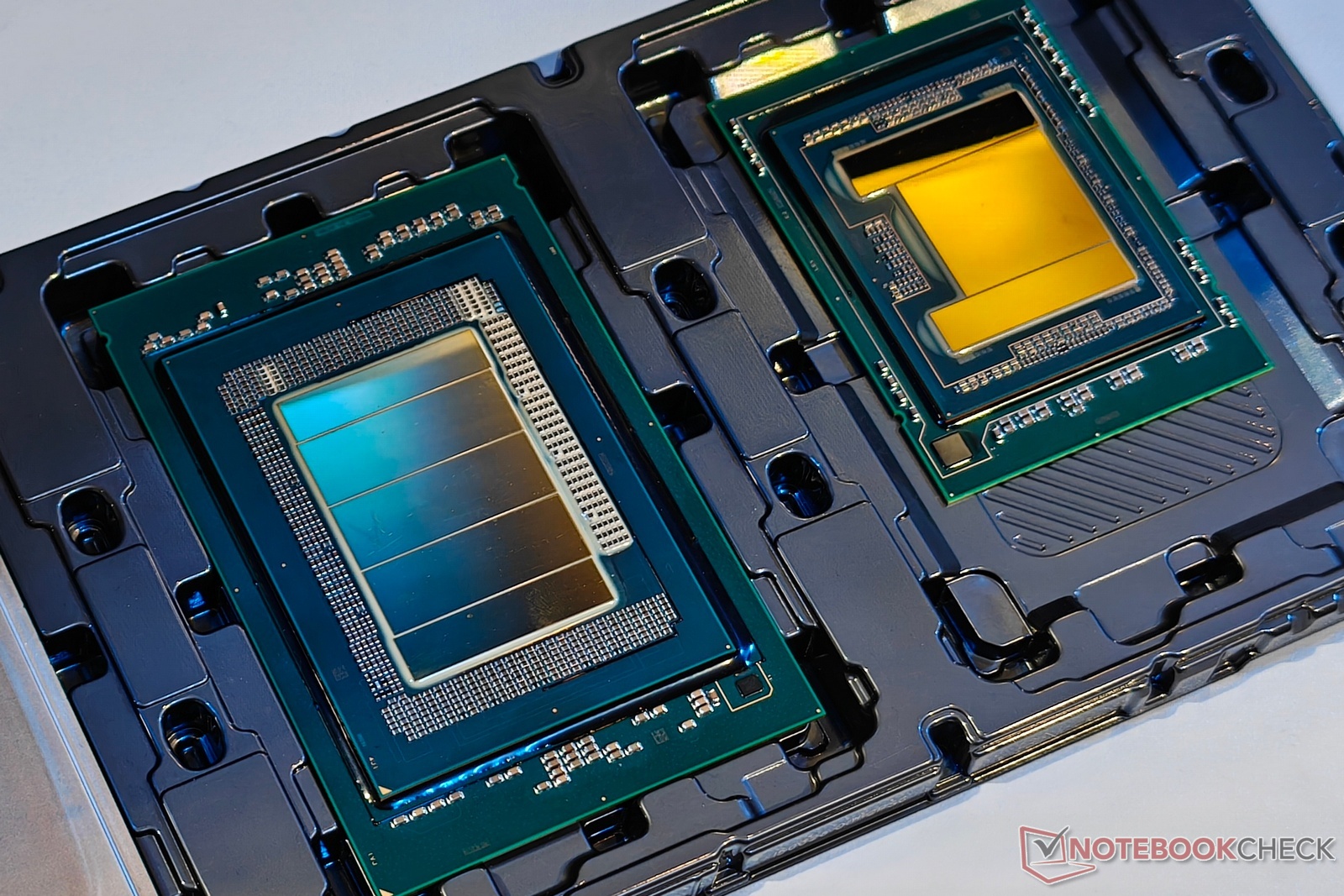
A key focus is the Xeon 6 lineup based on the Granite Rapids architecture. These processors are already in high demand, and available supply is not enough to meet customer needs, even with planned production increases. Intel’s Data Center and AI division reported $7.3 billion in revenue for the third quarter of 2026, rising 17% from the previous quarter and nearly 80% compared with the same period a year earlier.
Intel expects this momentum to continue through 2027 and 2028 as AI infrastructure expands. Many AI workloads still depend heavily on CPUs alongside accelerators, especially for inference, orchestration, networking, and large-scale data center operations. As more companies deploy AI services at scale, demand for server CPUs is expected to remain strong.
To support this shift, Intel is also adjusting its manufacturing plans in Oregon. Some resources previously assigned to the 18A process for Panther Lake PC processors are being moved to Intel 3 production, which is used for data center chips. The added Intel 3 capacity is expected to come online in the second half of 2027.
Meanwhile, Intel continues to install more equipment at its Arizona facilities to prepare for future 18A and 18A-P products, including next-generation server processors. These investments are part of a broader effort to expand manufacturing flexibility and improve Intel’s ability to respond to fast-changing demand.
The supply problem is not only about wafer production. Intel is also facing shortages in advanced packaging materials, especially substrates used in multi-chip processor designs. These components are essential for modern server CPUs, which often combine multiple chiplets into a single package.
To address this bottleneck, Intel is working with suppliers to increase substrate output. The company expects substrate capacity to rise by about 40% in the second half of 2027. It is also expanding packaging operations in New Mexico and Malaysia, both of which play important roles in Intel’s global manufacturing network.
Even with these efforts, relief will not come immediately. Intel expects supply constraints to remain especially tight during the first half of 2027. Expanding chip production takes time, as new tools must be installed, qualified, and brought up to volume manufacturing. Packaging capacity also needs to scale before finished processors can reach customers in larger numbers.
Intel plans to spend around $20 billion on capital expenditures in 2026, with investment expected to rise significantly the following year. The company is betting that higher factory output, better manufacturing yields, and expanded packaging capacity will allow it to better serve the booming AI infrastructure market in the second half of 2027 and beyond.
For now, Intel faces a difficult balancing act. The company must continue supplying consumer PC processors while prioritizing the fast-growing server CPU market. As AI adoption accelerates, data center chips are becoming increasingly important to Intel’s future growth, and the company is reshaping its manufacturing strategy to match that demand.