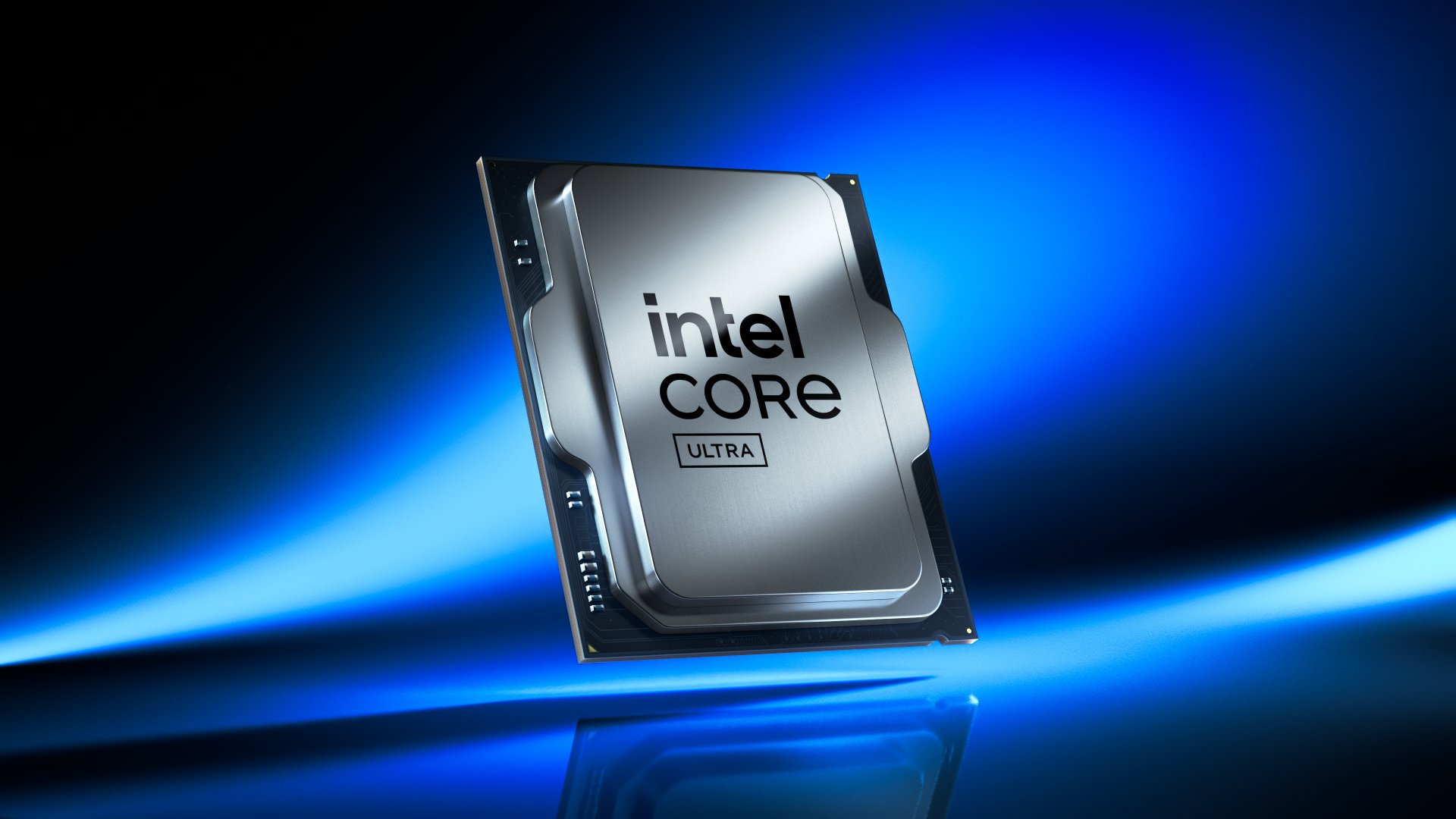
Intel appears to be preparing for a major shift in its processor business, with reports suggesting the company will focus more heavily on CPUs that deliver stronger profit margins while reducing attention on lower-margin chip lines.
According to industry reports, Intel is expected to raise CPU prices again, with some processors potentially becoming up to 10% more expensive. This would follow several price adjustments that reportedly began in late 2025, including an increase of nearly 10% in the first quarter of 2026.
The move could affect buyers who are planning new PC builds or upgrades, especially as Intel processors have recently seen large discounts despite official price increases. Several Arrow Lake Refresh chips, including models such as the Core Ultra 5 250K Plus and Core Ultra 7 270K Plus, have frequently been available below their listed prices. However, those aggressive discounts may not continue for much longer if Intel proceeds with another round of pricing changes.
For consumers, this could mean that the current deals on some Intel Core Ultra processors may be temporary. If prices rise as expected, gaming PCs, productivity desktops, and high-performance laptops using newer Intel chips could become more expensive in the coming months.
The exact processor families affected by the rumored price increase have not been confirmed. The Core Ultra lineup, including both desktop and mobile CPUs, is likely to be among the products watched most closely. It is also unclear whether older Intel processors will see similar price changes or whether the adjustment will mainly target newer chips.
Beyond pricing, Intel is also said to be rethinking parts of its product roadmap. Reports suggest that some “Small Core” products may be discontinued as the company moves away from lower-margin segments. This does not necessarily mean mainstream desktop CPUs are at risk. Instead, the products most likely to be affected are chips used in industrial PCs, embedded systems, IoT devices, and other specialized hardware markets.
This strategy points to a broader change in Intel’s business approach. Rather than prioritizing high shipment volumes across lower-profit products, the company may be aiming to sell fewer chips with better margins. In a competitive semiconductor market, that could help Intel improve profitability, but it may also reduce product variety in certain segments.
If Intel exits or reduces its presence in some low-power or embedded chip categories, competitors could see an opportunity. ARM-based chipmakers such as Qualcomm and MediaTek may be well positioned to expand into those markets, especially where high-end x86 performance is not required. Many industrial and IoT systems prioritize efficiency, cost, long-term availability, and compact design over raw CPU power.
For PC builders and buyers, the key takeaway is simple: Intel CPU pricing may become less flexible going forward. Recent discounts could become harder to find, and new price increases may place added pressure on the cost of building or upgrading a system.
At the same time, Intel’s reported strategy shift could signal a sharper focus on premium processors, gaming CPUs, workstation chips, and high-performance laptop platforms. While that may strengthen Intel’s position in profitable categories, it could also reshape the lower-end and embedded processor markets over time.
For now, anyone considering an Intel-based PC upgrade may want to keep an eye on pricing trends, especially around Core Ultra desktop and laptop processors. If the rumored price hike takes effect, today’s discounted CPUs may not stay affordable for long.