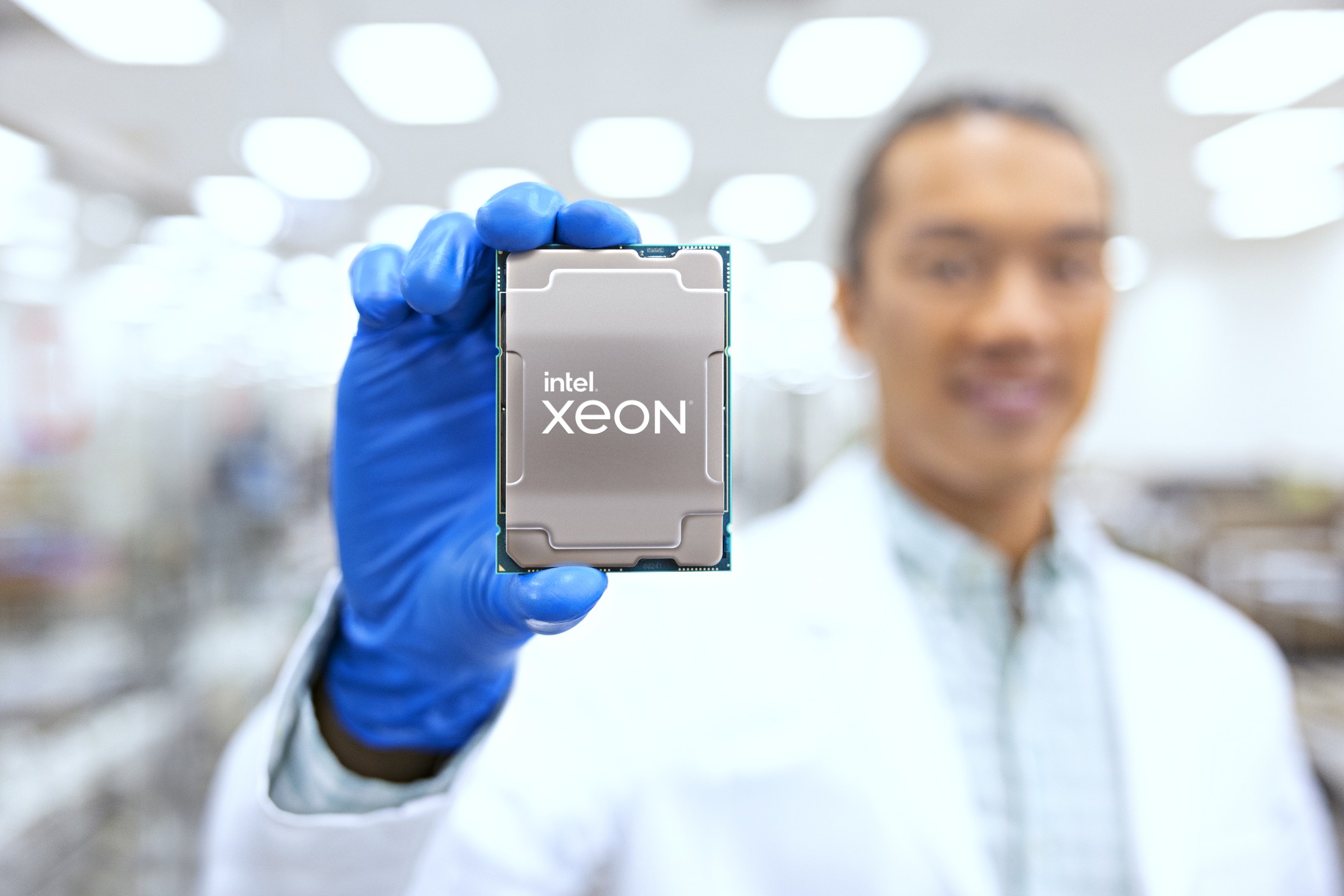
Intel researchers say they have found a smarter way to build integrated heat spreaders that makes advanced, extra‑large chip packages easier to manufacture, cheaper to produce, and cooler under load. In a new paper titled “A Novel Disaggregated Approach of Assembling Integrated Heat Spreader for Advanced Packages,” the company details a disaggregated heat spreader design aimed at high‑power processors built from multiple chiplets and stacked layers.
Instead of relying on a single, intricately machined metal block, the approach breaks the heat spreader into simpler pieces that are assembled during packaging. A flat plate serves as the main heat‑spreading surface, while a stiffener provides structural support, defines the cavity shapes required by complex multi‑die layouts, and helps maintain package flatness. Optimized adhesives and materials further improve thermal transfer at the interface.
By leaning on standard stamping and existing packaging lines, this method avoids specialized high‑tonnage tooling and expensive CNC machining that struggle with complex geometries. The result is lower cost, fewer supply bottlenecks, and faster scalability as packages grow in size and complexity.
The reported gains are notable. Intel cites up to a 30% reduction in package warping, a 25% reduction in thermal interface material voids, and a 7% improvement in coplanarity when the stiffener is attached prior to die installation. Those improvements translate into more consistent contact with coolers, better overall heat dissipation, and more reliable performance for high‑power CPUs, GPUs, and accelerators.
This matters because today’s advanced packaging can push beyond 7000 mm² and demand multiple contact points and stepped cavities that are difficult to form as a single piece. The disaggregated assembly makes those complex shapes practical at scale, enabling extra‑large packages that would be impossible or prohibitively expensive with traditional methods.
Beyond immediate manufacturing benefits, the approach opens the door to next‑generation cooling. Intel’s researchers note potential extensions that include high‑conductivity metal composites and integration with liquid‑cooling hardware, both of which are increasingly relevant as AI and data center workloads drive thermal demands higher.
In short, breaking the heat spreader into purpose‑built pieces offers a cleaner path to cooling the biggest, most complex chips: simpler manufacturing, stronger thermals, and a roadmap that aligns with where high‑performance computing is headed.