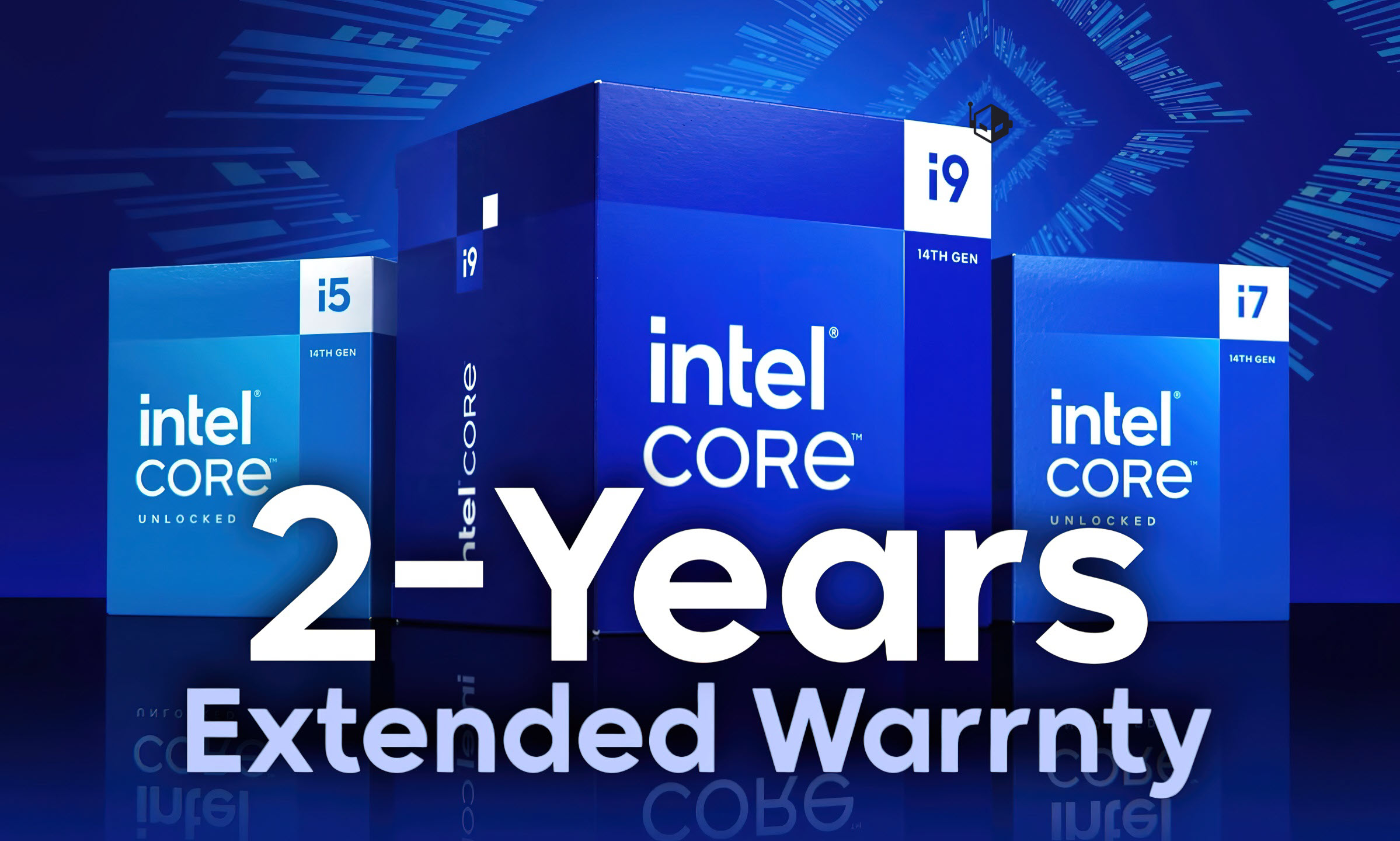
Intel has recently taken a significant step by extending the warranty on their 14th and 13th Gen CPUs, initially covering only boxed processors, but now this coverage will also be extended to include OEM and tray CPUs. This decision is vital for consumers, as a large portion of desktop chips are sold through OEMs and as tray CPUs, which often end up in pre-built systems or custom builds by system integrators.
The original announcement indicated that Intel’s extended warranty would only apply to boxed versions of their latest CPUs. However, updated information confirms that Intel will provide the same two-year extended warranty for tray processors and will offer comparable support to its OEM partners, such as system integrators and pre-built PC manufacturers. This is a positive move for customer satisfaction and confidence in Intel’s products.
The update follows reports of difficulties encountered by users and system integrators during the Return Merchandise Authorization (RMA) process with the 14th and 13th Gen CPUs. Notable industry players, including Puget Systems, have shared statistics on failures, and games publishers and developers have highlighted issues with servers running on the affected chips.
Intel acknowledges the concerns faced by customers experiencing instability on their 13th or 14th Gen desktop processors and is committed to supporting them through the exchange process. As part of their continuous effort to stand behind their products, Intel promises to deliver more details on the extended warranty support for their boxed Intel Core 13th and 14th Gen desktop processors shortly.
Customers who have purchased systems from OEMs or system integrators are advised to contact the manufacturer’s support team for further assistance. Those who bought a boxed CPU should reach out to Intel Customer Support for aid.
Intel has asked for patience during this period, citing challenges in pinpointing the exact cause of the issue. The company intends to release a microcode patch by mid-August, expected to address the high voltage levels identified in the 14th and 13th Gen CPUs. While the root problem remains unidentified, and there is no remedy for processors that have already been degraded, Intel recommends updating to the latest BIOS version to prevent further degradation of CPUs.
As the BIOS update release approaches, the tech community is eagerly anticipating whether this will mitigate the issues and if Intel can overcome the challenges with its CPUs. The forthcoming patch is viewed as a potential turning point, with the possibility of subsequent updates if necessary.
This extended warranty initiative and proactive response to resolving technical issues assert Intel’s commitment to product quality and customer service. As a leading CPU manufacturer, Intel strives to ensure that their processors deliver the performance and reliability that customers expect, while also maintaining clear communication and effective support channels.