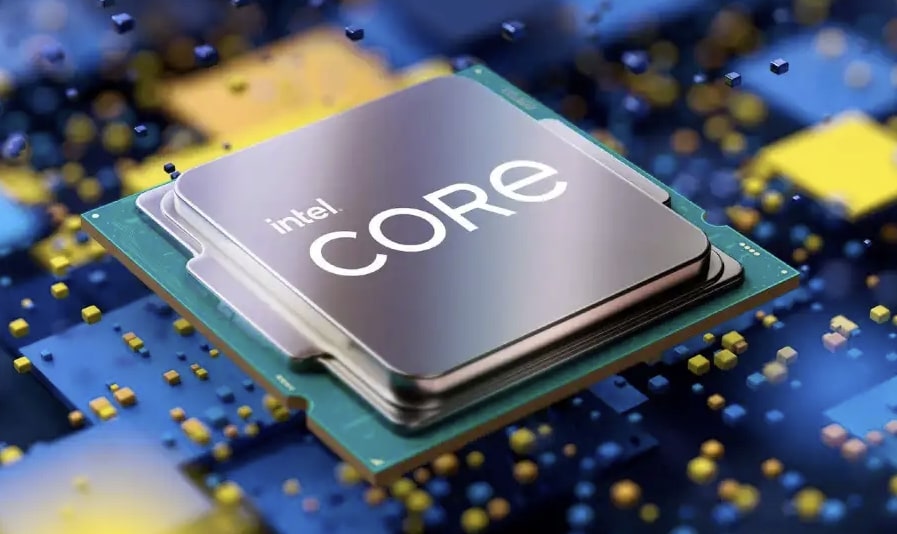
Intel is reportedly preparing a 10% price increase on its PC processors, a move that could ripple through the laptop and desktop market and ultimately affect how much consumers pay for new devices. The change is said to be aimed at Intel’s mainstream PC CPU lineup and could begin as soon as later this month, based on information shared with major customers.
What makes this development especially significant is scale. Intel is estimated to control about 70% of the PC CPU market, so even a modest percentage increase on processors can quickly become a major cost factor for PC manufacturers. While rivals like AMD and Qualcomm continue to expand their presence, Intel remains the primary supplier for many large PC brands—meaning OEMs have fewer easy ways to avoid higher CPU sourcing costs in the near term.
The reported price hike is being tied to broader cost increases across the semiconductor supply chain. A key driver is the surge in memory prices over recent months, fueled by rising demand from AI infrastructure and data center expansion. As more industry capacity is redirected toward AI-related components, supply constraints can intensify for traditional consumer PC parts, adding more pressure to pricing across the ecosystem.
For laptop makers in particular, the concern isn’t just the CPU. Memory and processors together can represent a large portion of a notebook’s total build cost. Market estimates suggest CPUs and memory combined may account for up to 58% of a notebook’s bill of materials in mainstream models around the $900 range. At the same time, memory pricing has been climbing rapidly, with some data indicating increases as high as 180% quarter-over-quarter—an extraordinary jump that makes it harder for manufacturers to keep prices stable.
The practical outcome is straightforward: PC makers may see tighter profit margins as component costs rise. If they can’t absorb the increase through efficiency gains or other savings, some of that added cost may be passed on to consumers—especially in notebooks, where pricing is already sensitive and parts costs heavily influence final retail prices.
For shoppers, this could mean higher prices on certain laptops and desktops in upcoming purchasing cycles, even if official retail pricing for CPUs doesn’t immediately change. Since the reported adjustment applies at the OEM level, the most noticeable impact may show up in prebuilt systems and laptops first, depending on each brand’s inventory, release timing, and willingness to absorb costs rather than raise sticker prices.