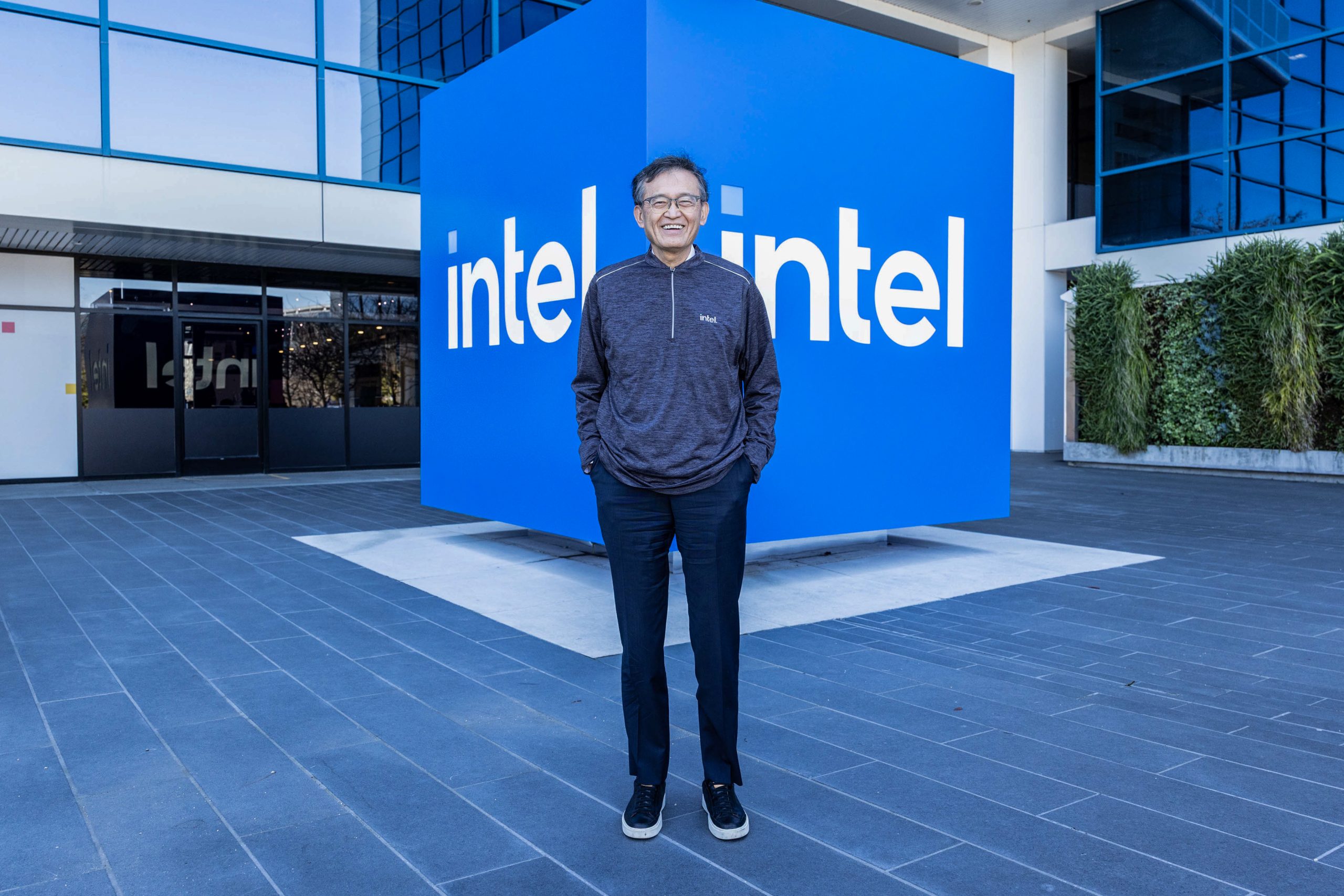
Intel’s current landscape seems challenging, as the company’s CEO recently expressed a rather bleak outlook for the near future. Once a titan in the semiconductor industry, Intel has experienced a significant dip in its standing. Known as a cornerstone of American tech innovation, Intel now faces tough times, acknowledged by its new CEO, Lip-Bu Tan, who shared this candidly with employees. He emphasized the substantial effort required to ensure Intel’s continued business sustainability.
Decades ago, Intel stood as a leading force in semiconductors. However, the industry has evolved, and today, Intel doesn’t even rank among the top ten semiconductor companies. Several missteps have contributed to this decline. Intel missed out on the AI wave, struggled with its consumer segment, and its foundry division fell short of expectations. These setbacks have not only led to operational losses but also a shift of clients towards competitors.
Recognizing that the current strategy isn’t sufficient, Tan plans to implement radical changes. One major step includes reducing the workforce, banking on the belief that a leaner Intel can adapt and move more swiftly. Echoing former CEO Gelsinger, Tan admitted that Intel faces significant challenges in the AI sector, as competitors have rapidly advanced in this area. Currently, Intel’s AI ventures are limited to integrating AI capabilities in consumer processors, known as edge AI.
Focusing internally, Intel is assessing its 18A technology to determine its viability for internal use before considering offering it externally. For now, Intel’s hopes of rivaling TSMC with its IFS division are on hold. However, they remain optimistic about making waves with their 14A technology. As Intel navigates these transitions, public sentiment is expected to be mixed, reflecting both anticipation and skepticism.