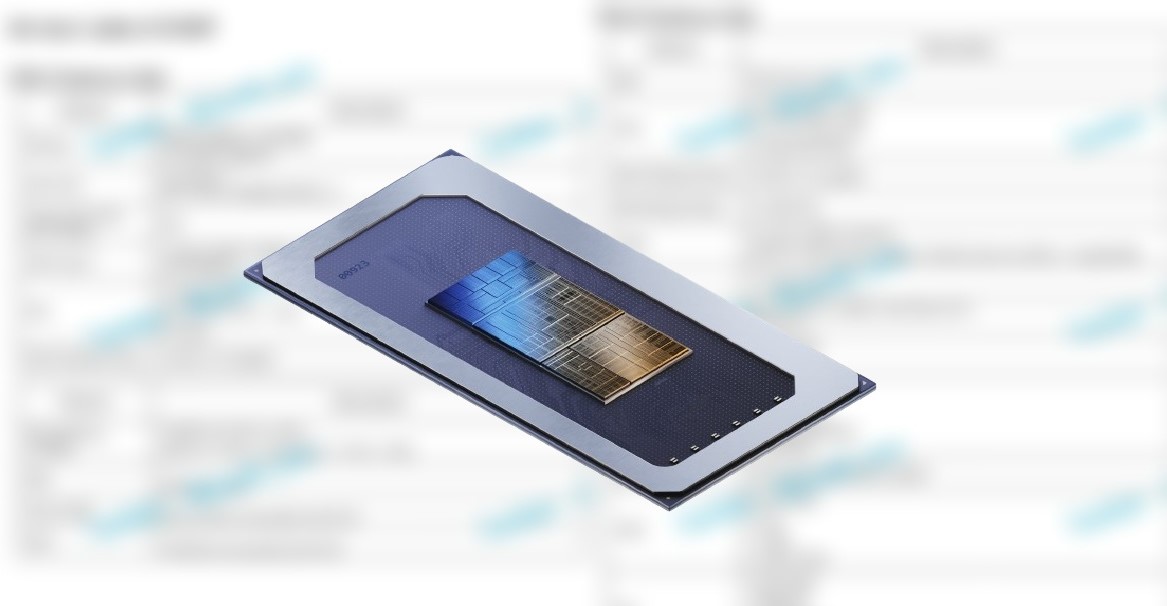
Intel is poised to revolutionize the desktop CPU market with its Arrow Lake-S (ARL-S) processors, set for release in late 2024 or early 2025. A recent leak from internal documents, previously posted by insider Yuuki_AnS but now deleted, provides a sneak peek into the core configurations and chipset details of this highly anticipated series.
The ARL-S lineup, as suggested by the documentation, will offer several core configurations: 8+16, 6+16, and 6+8, meaning the flagship processor could boast 24 cores (8 Performance-cores and 16 Efficiency-cores). Accompanying this robust core array is a GT1 integrated GPU and a thermal design power (TDP) of 125 watts. Intriguingly, the documents specify “8 IA cores/8-Threads (Disabled in BIOS),” leading to speculation that the CPUs may not support Hyperthreading.
This move away from Hyperthreading wouldn’t be unprecedented. Reports from July 2023 hinted that Intel was facing difficulties implementing SMT-2 and SMT-4 with its new Lion Cove P-cores, with tech commentators like Moore’s Law Is Dead backing this claim in subsequent months. Despite Hyperthreading’s benefits in multi-core performance, its absence might be offset by the high core counts in modern CPUs, as evidenced by the impressive performance of Apple’s M-series SoCs, which also forego multi-threading.
The ARL-S processors will be based on the new LGA1851 socket and backed by Intel’s 800 series chipset. This upcoming platform will reportedly support DDR5 memory at 6400 MT/s, feature 24 CPU PCIe lanes (including 20 lanes for PCIe Gen 5 and 4 lanes for PCIe Gen 4), and add another 24 PCIe Gen 4 lanes from the chipset. Other highlights include DisplayPort 2.0 UHBR20 compatibility and support for Thunderbolt 4, reflecting Intel’s commitment to cutting-edge connectivity and display technology.
As with any early information, the leaked specifications from the internal documents carry a degree of uncertainty, and it’s possible further developments have occurred since the information was recorded. The tech community will eagerly await confirmation on whether Arrow Lake-S CPUs will retain any multi-threading capabilities, or if this will mark a significant transition in Intel’s processor design.
Fawad Murtaza, a senior tech writer with a background that traces back to a childhood fascination with technology and a career emanating from his first Intel Pentium 4 PC, has contributed extensive industry knowledge in his multiple publications. With experience with various tech media since 2018, Murtaza’s expertise enriches the anticipation surrounding Intel’s next-gen CPUs.