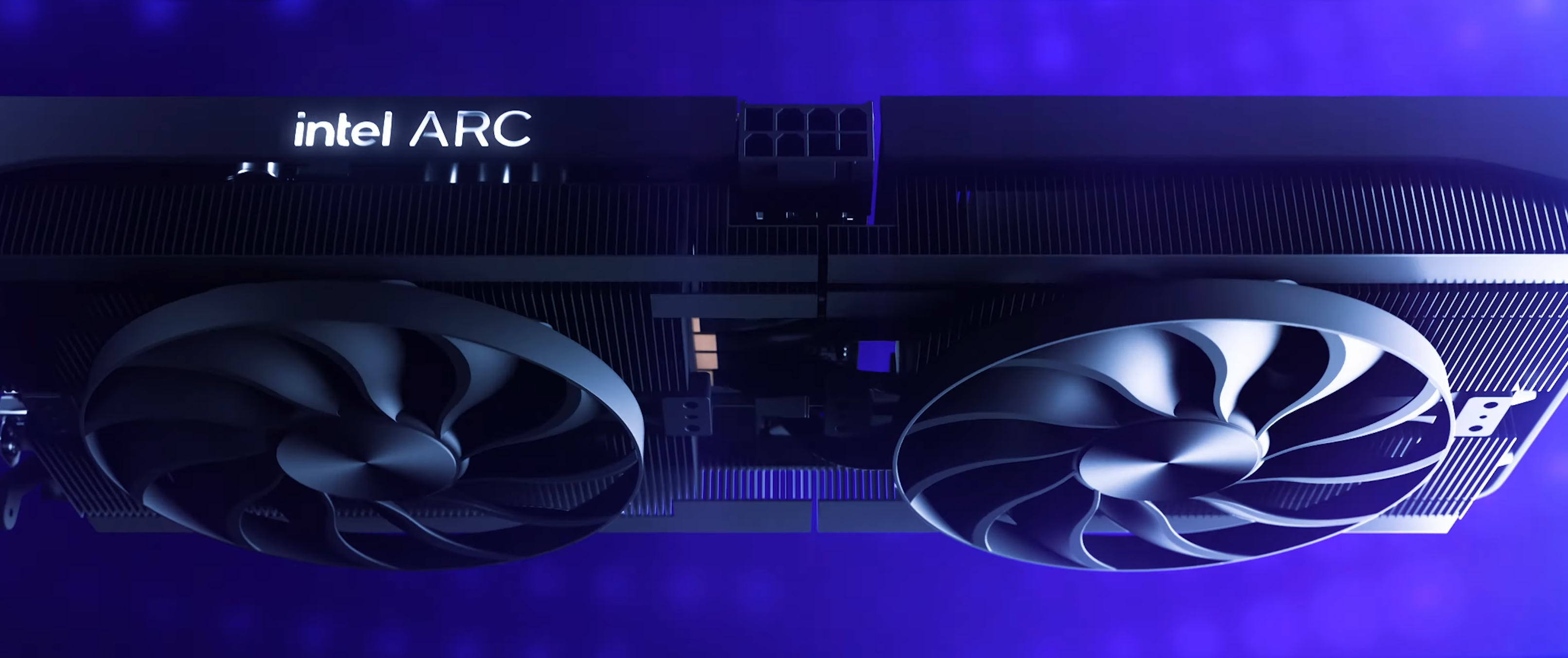
Exciting developments are unfolding as Intel clears the air about its dedication to the discrete GPU market. Recent sightings and reports have quashed earlier rumors that Intel might exit this sector. Fresh evidence showcases the progress of Intel’s next-gen Arc Celestial “Xe3” and high-end Battlemage “G31” chips, promising to make a significant impact in the graphics space.
Intel has recently taken the spotlight with the announcement of its Battlemage B-Series lineup, particularly featuring the Arc B580 and Arc B570 graphics cards. Aiming to capture the mainstream market with a competitive price point below $250, these offerings are poised to square off against similar products from industry giants AMD and NVIDIA. Intel’s strategy targets gaming audiences, a move that parallels AMD’s strategy with the anticipated RDNA 4 “Radeon RX 8000” series.
In recent shipment documents, the Intel BMG-G31 SoC made another appearance, suggesting that Intel might roll out a more advanced B-Series graphics card in the near future. The Arc B580 and B570 GPUs, powered by the BMG-G21 SoC, could soon be joined by products like the B770, which is rumored to harness the enhanced capabilities of the G31 SoC, offering more Xe2 cores.
Adding more context, Intel’s Tom Petersen hinted at even more robust offerings within the Arc B-series through a live show mention. It’s becoming evident that the tech giant is committed to evolving its Xe3 architecture while transforming how DirectX 9 and DirectX 11 are managed across Arc GPUs—paving the way for an enriched gaming experience.
On the celestial front, Intel’s endeavors continue with the emergence of several “Panther Falls” discrete GPUs, internally codenamed for Celestial SKUs. Revealed in shipment logs, these GPUs are part of the Arc lineup and further underscore Intel’s plans to perfect its Xe4 offerings rapidly.
In the latest sightings by industry insiders, another Arc Celestial discrete GPU suggests a 128 EU or a modest 16 Xe3 model, hinting at entry-level prospects. With Panther Lake CPUs integrating Xe3 GPUs packing up to 12 Xe3 cores, these moves by Intel are indicative of a comprehensive strategy to capture various tiers of the market.
Through the rollout of its second-generation Arc products and the confirmed development of future iterations, Intel is clearly staying in the game. As we move towards CES 2025, expect Intel to further cement its standing in the GPU arena with innovative launches and announcements. This combination of strategic development and product launches secures Intel’s place as a formidable competitor against longstanding rivals.


