### Intel 14th Gen Stability BIOS Update Leads to Significant Multicore Performance Drop
Intel’s latest CPUs from the 13th and 14th generations recently encountered stability and degradation issues, which raised considerable concerns among users and tech enthusiasts. In response, Intel acknowledged the problem and released a microcode update, promising that it would not compromise the CPUs’ performance. Nevertheless, post-update tests reveal a contrary scenario, raising questions about the impact of these fixes.
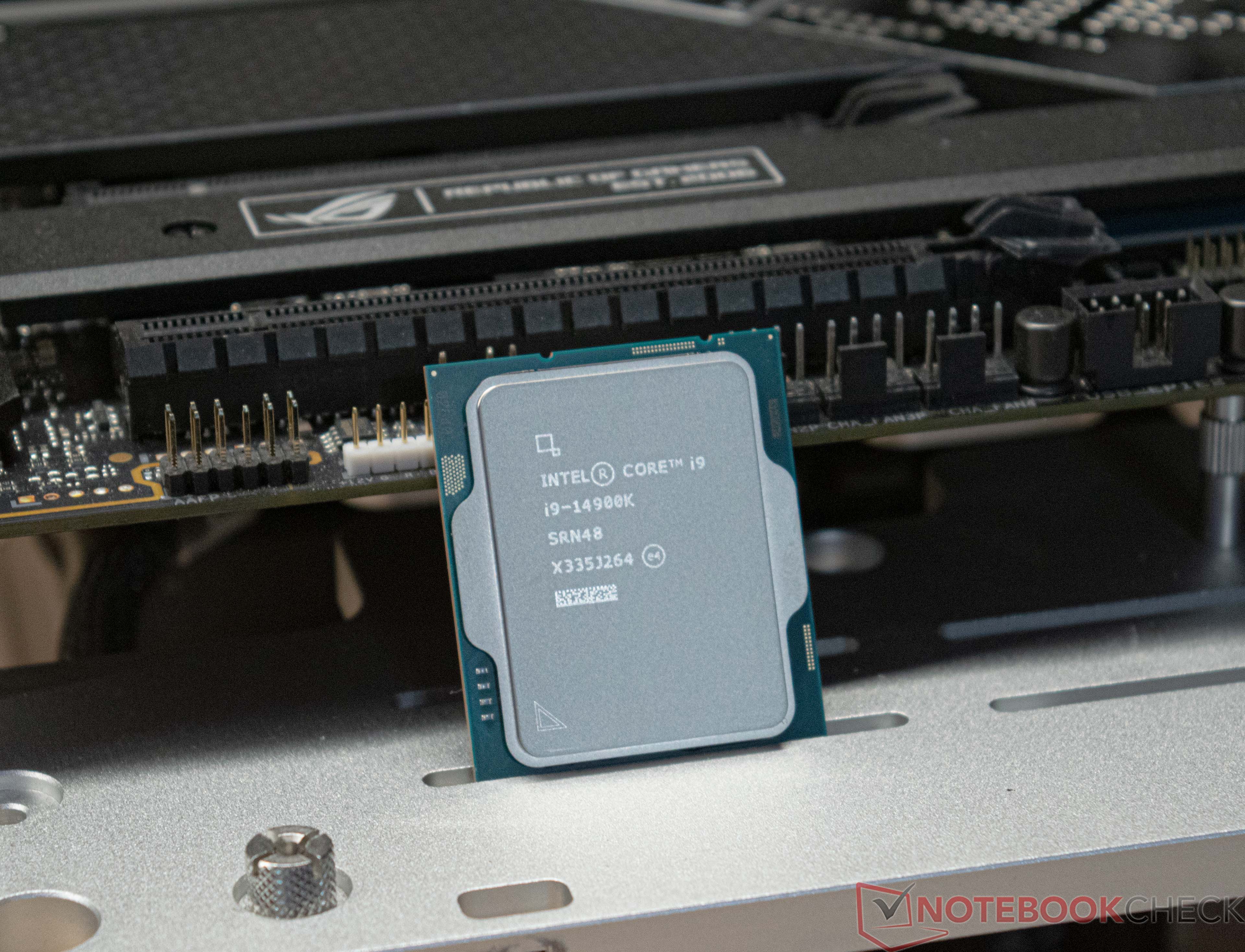
When applied to an Asus Maximum Z790 motherboard powered by an Intel Core i9-14900K, recent observations reported by benchmark results have shown that multicore performance has taken a hit. Despite Intel’s assurance, changes in performance metrics after the BIOS update have been startling.
The impact was measured by running heavily multithreaded benchmarks both before and after the BIOS implementation. Results pointed to a roughly 22-23% reduction in performance. Specifically, in Cinebench tests, the i9’s previously impressive score plummeted by over 9,000 points—a 22.9% drop. A similar outcome was reported in Blender render tests, which showed losses of 22%.
Even more intriguing, although there has been a marked decrease in multicore performance, gaming seems to remain unaffected by the update. Tests conducted on titles like “Counter-Strike 2,” “Cyberpunk 2077,” and “Days Gone” showed consistent FPS values regardless of the BIOS update status.
During the testing, there were some peculiar findings regarding the CPU’s operational parameters post-update. It was found that the per-core CPU voltage slightly increased, whereas the per-core CPU clocks and temperatures were considerably lower. This observation suggests potential issues with the CPU’s Thermal Velocity Boost functionality, which might be a contributing factor to the lowered performance.
It’s important to note that while these findings are specific to one motherboard and CPU combination, they nonetheless raise concerns for other Intel CPU users. Following this discovery, it is advisable for users to carefully consider the implications of this update on their systems.
As the situation evolves with Intel and motherboard manufacturers working to resolve these issues, users should stay informed about updates to firmware and software. Keeping track of these developments is crucial for understanding potential impacts on system performance and taking appropriate action to maintain system stability and efficiency.
For those looking for alternatives in the CPU market, competitor AMD’s Ryzen 9 7900X represents a potential substitute. With pricing adjustments making AMD’s offering more attractive, it could serve as an option for those affected by the Intel update or those looking to build new systems.
The Intel BIOS update scenario underscores the importance of thorough testing and validation of system updates, especially ones aimed at addressing hardware issues. Users should weigh the benefits of immediate updates against the possibility of unforeseen performance impacts, emphasizing the balance between system stability and operational efficiency. As the tech industry continuously evolves, keeping an eye on these developments is critical for both casual users and tech professionals alike.