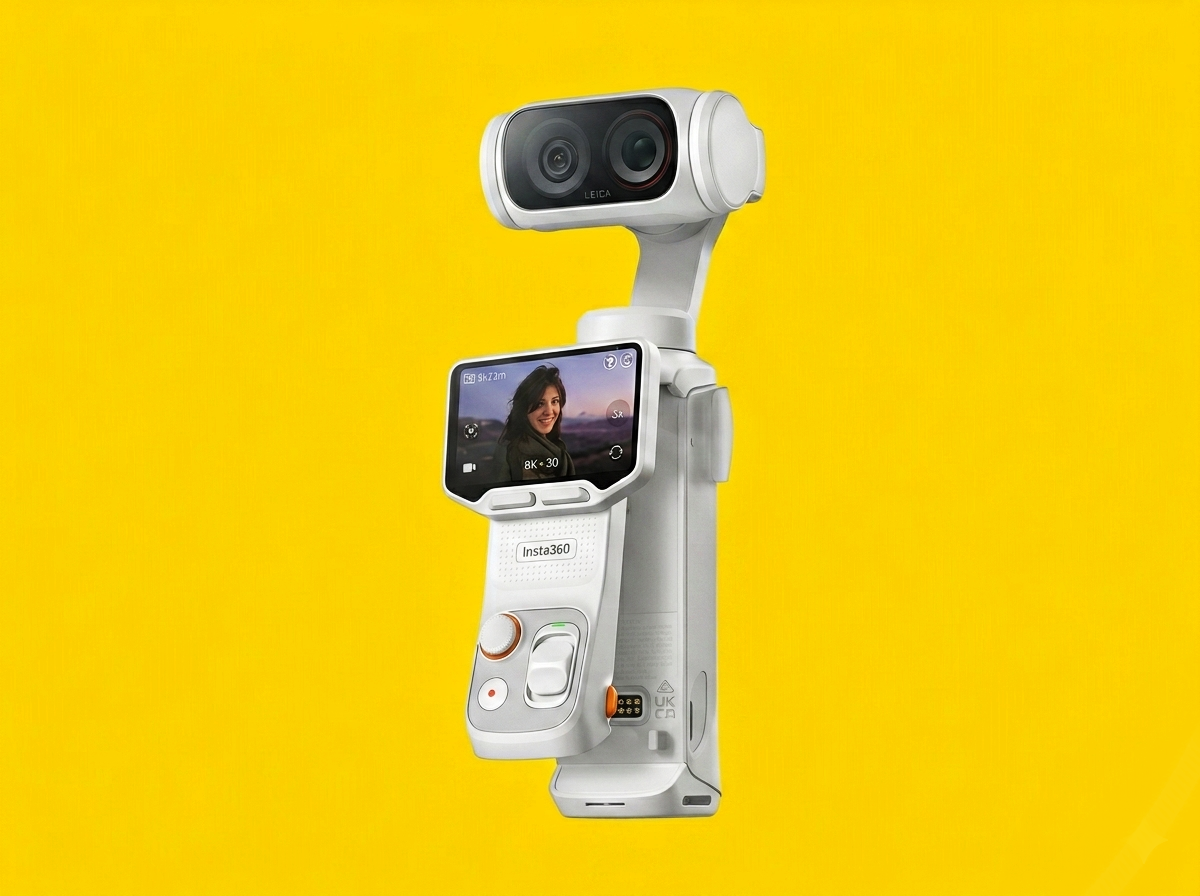
Insta360 Fires Back at DJI With Patent Countersuits Over Luna Ultra Dispute
The legal clash between Insta360 and DJI has escalated quickly, turning the launch of the new Insta360 Luna Ultra into one of the most closely watched battles in the action camera and gimbal market.
Just hours after DJI filed patent infringement lawsuits aimed at the Luna Ultra, Insta360 responded with two countersuits in the United States. Instead of simply defending its new device, Insta360 is now accusing DJI of infringing five of its own utility patents covering key camera and stabilization technologies.
According to Insta360’s filings, DJI allegedly used protected technologies related to gimbal stabilization, directional control systems, smooth camera stabilization, telemetry data overlays, and panoramic video stabilization. These claims reportedly target several DJI product families, including the Osmo Pocket series, Ronin and RS stabilizers, Osmo Mobile smartphone gimbals, and the Osmo 360 camera.
Insta360 founder JK Liu said the company would rather let its products speak for themselves, but stressed that Insta360 is prepared to defend its innovations and intellectual property when necessary. The message is clear: Insta360 does not intend to step back as DJI challenges the Luna Ultra’s arrival in the market.
DJI’s original lawsuits were filed on June 10, the same day Insta360 officially launched the Luna Ultra. DJI is seeking a permanent injunction that could block the camera from being sold in the United States. Insta360 argues that the timing of the lawsuit was no coincidence, calling it an attempt to disrupt a major product launch and limit competition in the handheld gimbal camera segment.
At the center of the dispute is DJI’s claim that the Luna Ultra borrows from the design and architecture of its Osmo Pocket line. Insta360 strongly denies this, insisting that the Luna Ultra is built on a distinct engineering platform developed through years of internal research and development that began in 2020.
Liu said the Luna Ultra’s design grew naturally from Insta360’s earlier work on products such as the modular ONE R camera system, the Link webcam lineup, and the Flow smartphone gimbal. From Insta360’s perspective, the Luna Ultra is not an imitation, but the result of a long-term product roadmap focused on compact stabilization, creative shooting tools, and portable video capture.
Despite the legal drama, the Luna Ultra appears to have made a strong early impression with consumers. Insta360 says the camera saw high demand immediately after release, becoming the top-selling product in Amazon’s camcorder category in North America within its first 24 hours of availability.
That early momentum could explain why the dispute has become so intense. The handheld gimbal camera market is increasingly competitive, with creators looking for compact devices that can deliver smooth video, tracking features, wide-angle capture, and creator-friendly controls without requiring a bulky setup. Both DJI and Insta360 are fighting for dominance in that space.
The broader situation is also complicated by DJI’s ongoing challenges in the U.S. market. Government restrictions and scrutiny tied to DJI’s Chinese connections have affected the company’s ability to operate freely in the region. That raises questions about how much commercial harm DJI can claim if its own ability to sell competing hardware is already limited.
For now, both companies are digging in. DJI wants the Luna Ultra blocked from the U.S. market, while Insta360 is pushing back with patent claims of its own and promising to keep its products available to creators.
The outcome could have major implications for the future of compact stabilized cameras, especially if the courts decide whether either company’s core stabilization and imaging technologies have been improperly used. Until then, the Luna Ultra remains at the center of a high-stakes legal fight between two of the biggest names in portable creator-focused camera gear.