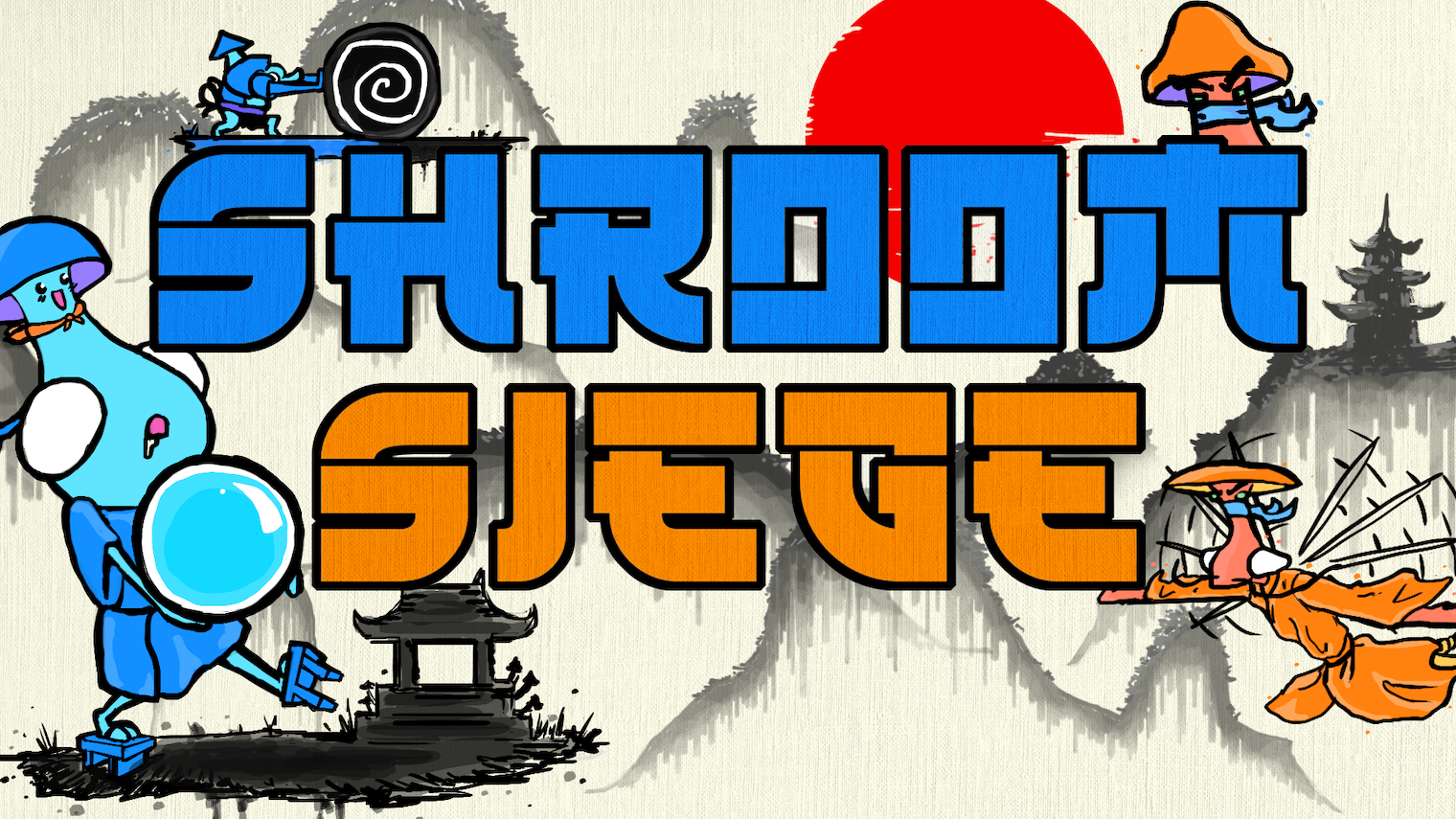
As we head toward the end of 2024, it’s amazing to reflect on the developments and adventures of the year. A significant moment for us was when we missed the opportunity to attend PAX West to see Upside Down Bird’s new game, Shroom Siege, due to personal commitments. However, not wanting to miss out, we connected with Upside Down Bird in October for an exclusive demo and conversation with developer Ben Hamrick.
During a lively video chat with Ben, we dove into the innovative world of Shroom Siege. The journey began with a tutorial to understand the basic mechanics before venturing into the heart of multiplayer excitement. The gameplay offers intricately designed modes where victory can be achieved through different strategies: the Shogun victory, where teams protect or eliminate Shogun characters; the Shrine victory, involving capturing shrines with team orbs; and the quirky Poop victory, maneuvering a Dung beetle to score goals.
Ben Hamrick, the mind behind much of the game’s infrastructure, explained the vibrant multiplayer setup of Shroom Siege. With local support for up to eight players and seamless online connectivity, the game is accessible and excellent for gatherings. Featuring rollback netcode, a hallmark of competitive titles, ensures smooth and responsive play, whether you’re nearby or miles apart.
Unique gameplay mechanics draw inspiration from classic arcade titles, blending nostalgia with fresh concepts. The use of strategic team dynamics means players need to balance offensive and defensive tactics across three potential paths to victory. The game’s flexible setup allows custom configurations, making each play an unpredictable challenge.
Reflecting on their PAX West plans, Ben shared insights about the game’s local multiplayer capabilities. With AI companions filling in any player gaps, exciting 4v4 battles are guaranteed. Their commitment to a balanced experience shines through, with deliberate AI flaws adding to fun, competitive matches.
Shroom Siege is more than just competition—it offers fun customization options, with unlockable cosmetics like exclusive hats signaling a player’s prowess and experience. Upcoming bracket-style tournaments promise ongoing excitement, providing players numerous chances to test their skills as the community grows.
Ben revealed plans for Shroom Siege’s future, focusing initially on Steam, with a coordinated console launch slated for 2025 across platforms like Xbox, Switch, and PlayStation. The dedication to a unified online community highlights their commitment to a seamless gaming experience, fostering integration across different systems.
The creative origins of Shroom Siege are equally compelling. Drawing inspiration from games like Killer Queen and aesthetics reminiscent of Japanese art, Upside Down Bird has crafted a vibrant, visually striking, and uniquely painted world that sets them apart from the pixel-heavy indie game industry.
Looking back at the development journey from its 2023 Global Game Jam debut, the evolution of Shroom Siege demonstrates the team’s dedication to crafting an engaging and artistically memorable experience for players everywhere. As we anticipate its release, Shroom Siege seems poised to captivate and entertain with its intriguing blend of strategy, artwork, and community-driven play.In 2023, the Global Game Jam captivated gaming enthusiasts worldwide with its unique theme of “Roots.” Among the innovative projects born from this event was a fascinating game concept that took the theme literally – mushrooms rooting themselves into the brains of their mounts, a concept that intrigued many gamers. Early development stages were swift, with most of the game mechanics operational within months. However, the real challenge kicked in with polishing the game and implementing the complex NET Code, which required innovative solutions to achieve smooth gameplay similar to rollback systems used in fighting games.
The development team brought in a dedicated artist whose exceptional work transformed the game’s backgrounds and brought them to life through captivating animations.
The team, known for their game Shroom Siege, is composed of a tight-knit group of creatives: two software developers, a sound and music specialist crafting unique audio experiences, two talented artists producing character designs and environmental art, and a level designer ensuring engaging gameplay maps.
Shroom Siege aims to thrive in multiplayer arenas, particularly in matches of 4-vs-4 human players. The buzz was palpable at PAX West, where seamless player transitions allowed a continuous flow of eager participants to experience the game. Feedback was overwhelmingly positive, with many players returning multiple times, which kept waiting lines minimal and atmospheres lively.
Outside of PAX, the team has been expanding on innovative gameplay modes. One mode challenges players to secure different victory types, ensuring no repetitive wins and adding a strategic twist.
Unity serves as the backbone of Shroom Siege’s technical structure, although the team navigated various engine challenges. They contributed meaningful patches to Unity, enhancing its efficiency for their purposes. Custom physics and NET Code have been essential upgrades, allowing the game to hit the mark for worldwide matchups, facilitating smooth gameplay across regions.
Plans are under consideration for a tiered release schedule, with early access for the PC version projected in early 2025 and potential console launches later that year. Xbox integration is also on the horizon due to dev kit access.
Cosmetic features play a significant role in Shroom Siege. Inspired by games like Team Fortress 2, these features are not purely aesthetic; they also serve as functional elements, aiding in character tracking during chaotic battles. Iconic cosmetic requests from dedicated communities, like the Penguin hat from the Killer Queen community, are slated to be incorporated.
For improved accessibility, the game will include color customization features to cater to color-blind players, ensuring the game remains inclusive and enjoyable for everyone.
While story mode isn’t a current focus, the game’s multiplayer aspect is enhanced by a potential backstory of two mushroom teams in a strategic battle over character control. Lore could be expanded upon outside the game experience on platforms like a dedicated Wiki.
Lastly, discussions with the Killer Queen community hint at potential crossover opportunities, reminiscent of popular franchise collaborations like Marvel vs. Capcom. These talks enrich the game’s community ties, promising exciting future possibilities. As anticipation builds, fans can expect plenty of engaging updates and developments from the Shroom Siege team.