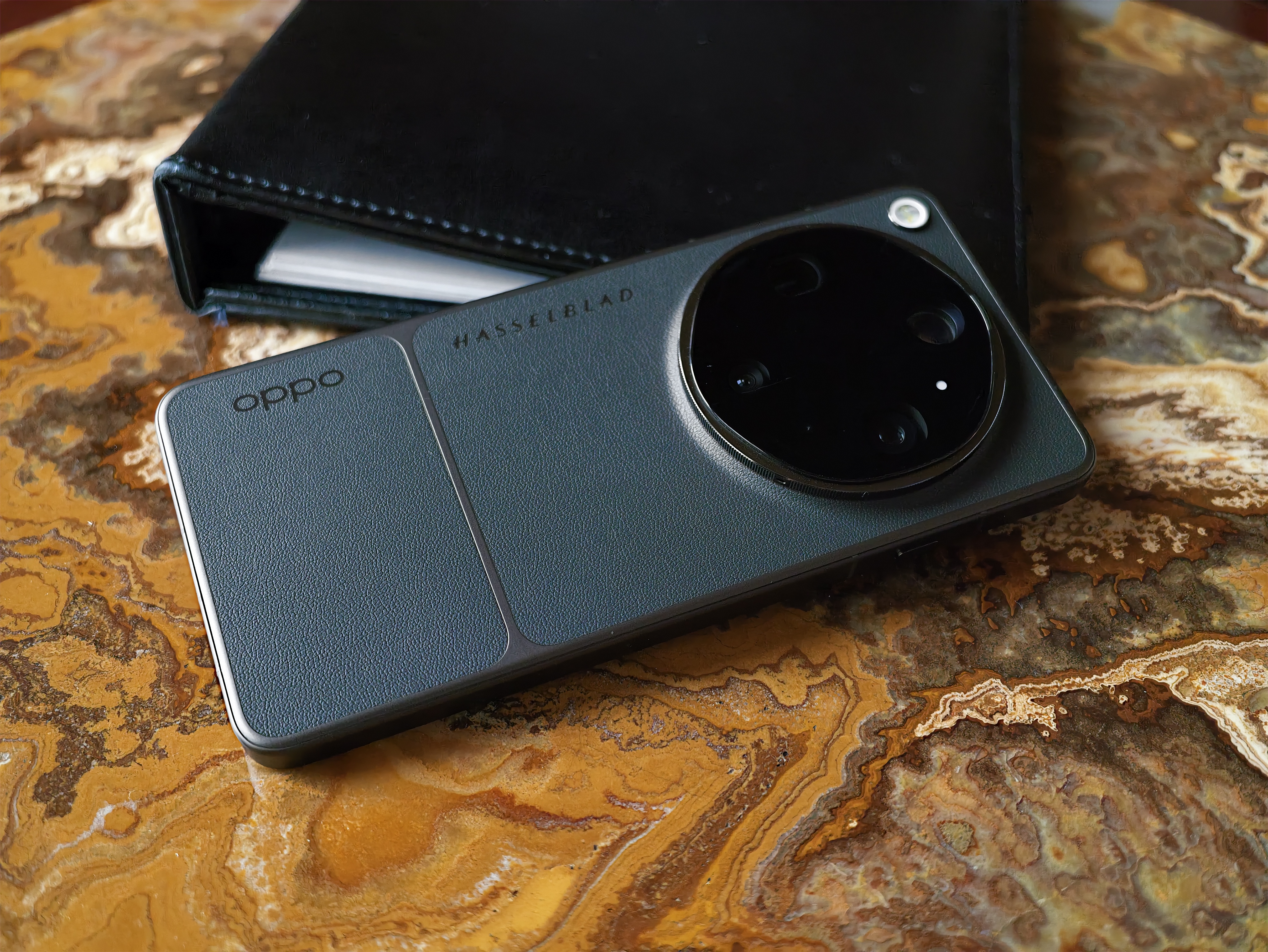
Oppo is doubling down on what matters most to mobile photographers: a truly serious rear camera system. The latest Find X9 Ultra puts its camera setup front and center, once again developed in collaboration with Hasselblad to deliver more natural color, strong detail, and dependable performance across a range of shooting conditions.
At the heart of the camera array is a Sony LYT-901 main sensor. While it’s described as slightly smaller than the 900-series sensor used in the previous Find X8 Ultra, Oppo aims to make up the difference with a brighter f/1.5 aperture. In practical terms, that larger aperture is designed to pull in more light, helping the phone capture brighter photos with improved clarity—especially in challenging scenes where lighting isn’t ideal.
One of the biggest talking points is resolution. Oppo is pushing a massive 200 MP at the top end, positioning this as the largest camera sensor currently available with that pixel count. High-resolution sensors like this can help preserve fine textures, enable cleaner crops, and keep details sharp even when you zoom in on the final image.
But the Find X9 Ultra isn’t relying on a single great sensor. The camera system expands into a multi-lens setup built for flexibility. Alongside the main camera, there’s a 3x optical zoom camera rated at 200 MP (OV52A) for crisp mid-range telephoto shots, and a 10x optical zoom camera at 50 MP (JNL) for longer-distance zoom photography. You also get an ultra-wide-angle lens for landscapes, architecture, and group photos, plus a dedicated sensor focused purely on collecting color information—an approach that can improve color accuracy and consistency from shot to shot.
Early hands-on impressions of the Oppo Find X9 Ultra’s camera performance sound promising. Autofocus is quick and responsive, which is essential for capturing moving subjects or spontaneous moments. The live view remains clear and usable even in darker environments, making framing easier at night. Shutter lag is also minimal, helping photos feel instantaneous rather than delayed.
There is one drawback worth noting: in low-light situations, the zoom lenses can be slower. That said, it’s not a deal-breaker, since night mode can help compensate by stabilizing the shot and boosting brightness for better results when light is limited.
Overall, the Oppo Find X9 Ultra is shaping up to be a camera-forward flagship aimed at people who prioritize image quality, zoom versatility, and dependable performance in real-world lighting—especially if you want a phone that can handle everything from wide scenic shots to detailed long-range zoom photos.