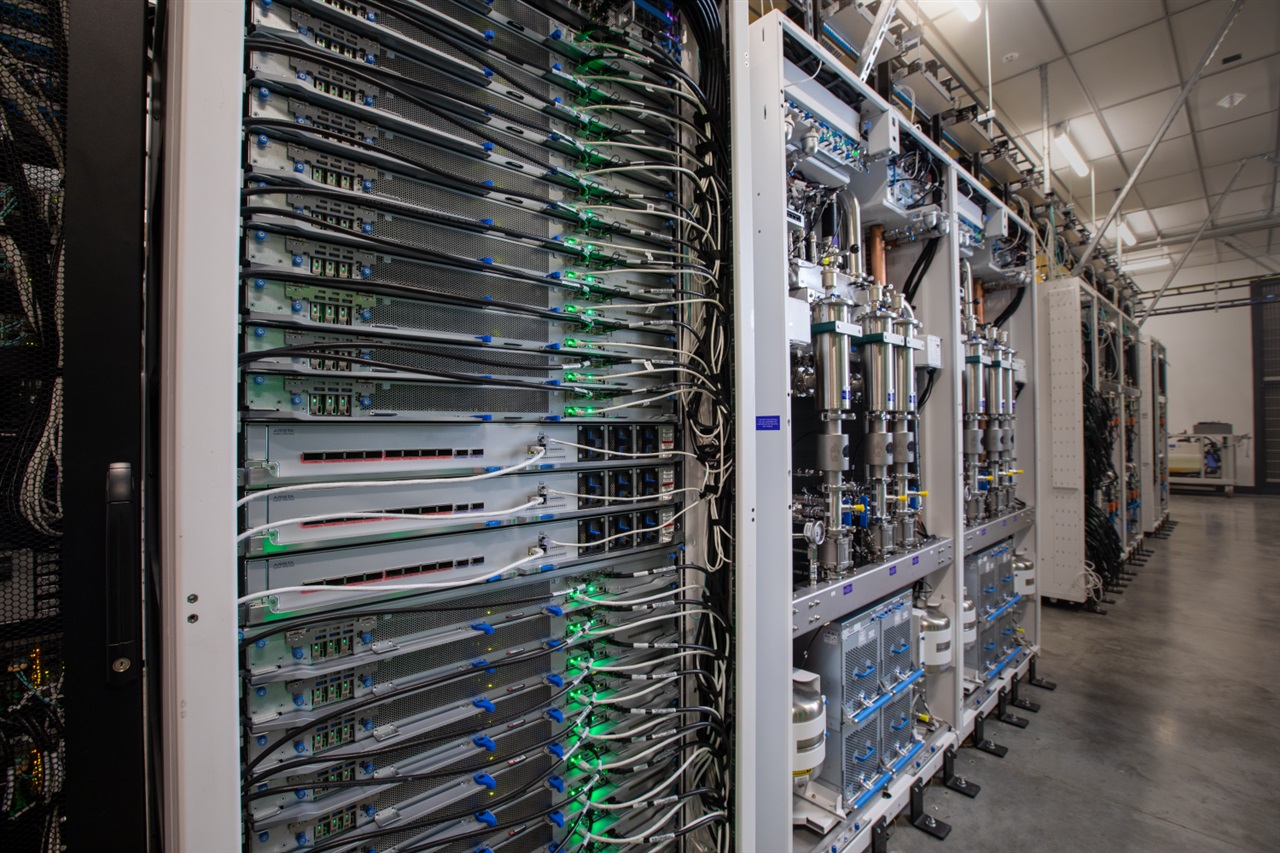
Microsoft is preparing to make its in-house Azure Maia chips a central part of its artificial intelligence strategy, positioning the custom silicon as the primary platform behind several of its biggest AI-powered services.
The Azure Maia chips are designed to support Microsoft’s growing AI ecosystem, including Microsoft 365 Copilot, GitHub Copilot, and Microsoft Foundry. As demand for generative AI tools continues to rise, Microsoft is looking to gain more control over the hardware that powers these services, improving efficiency, performance, and scalability across its cloud infrastructure.
Andrew Wall, general manager of the Azure Maia program, said that Microsoft’s own AI chips will play a major role in running the company’s internal AI workloads. This move reflects a broader industry shift, where major cloud providers are investing in custom processors to reduce dependence on third-party hardware and optimize their platforms for specific AI tasks.
Even so, Microsoft is not moving away from external GPU providers entirely. The company will continue using GPUs from Nvidia and AMD alongside its Azure Maia chips. This hybrid approach allows Microsoft to balance custom-built hardware with widely used high-performance GPUs, giving it flexibility as AI workloads become larger and more complex.
The strategy is especially important as Microsoft expands Copilot across productivity, software development, and enterprise AI services. Microsoft 365 Copilot brings AI assistance into apps such as Word, Excel, Outlook, and Teams, while GitHub Copilot supports developers with AI-powered coding help. Microsoft Foundry also plays a key role in helping businesses build and deploy AI solutions.
By making Azure Maia the backbone of its own AI services, Microsoft can better tune its cloud systems for the specific needs of its software and customers. Custom AI chips may help improve power efficiency, reduce operating costs, and deliver more consistent performance for large-scale AI applications.
At the same time, the continued use of Nvidia and AMD GPUs shows that Microsoft is taking a practical path rather than relying on a single hardware source. With AI demand growing rapidly, access to multiple chip platforms could help the company scale faster and avoid potential supply constraints.
Microsoft’s Azure Maia push highlights how critical AI hardware has become in the race to build faster, smarter, and more reliable cloud-based AI services. As Copilot and other AI tools become more deeply integrated into everyday work, the chips powering those experiences will be just as important as the software itself.


