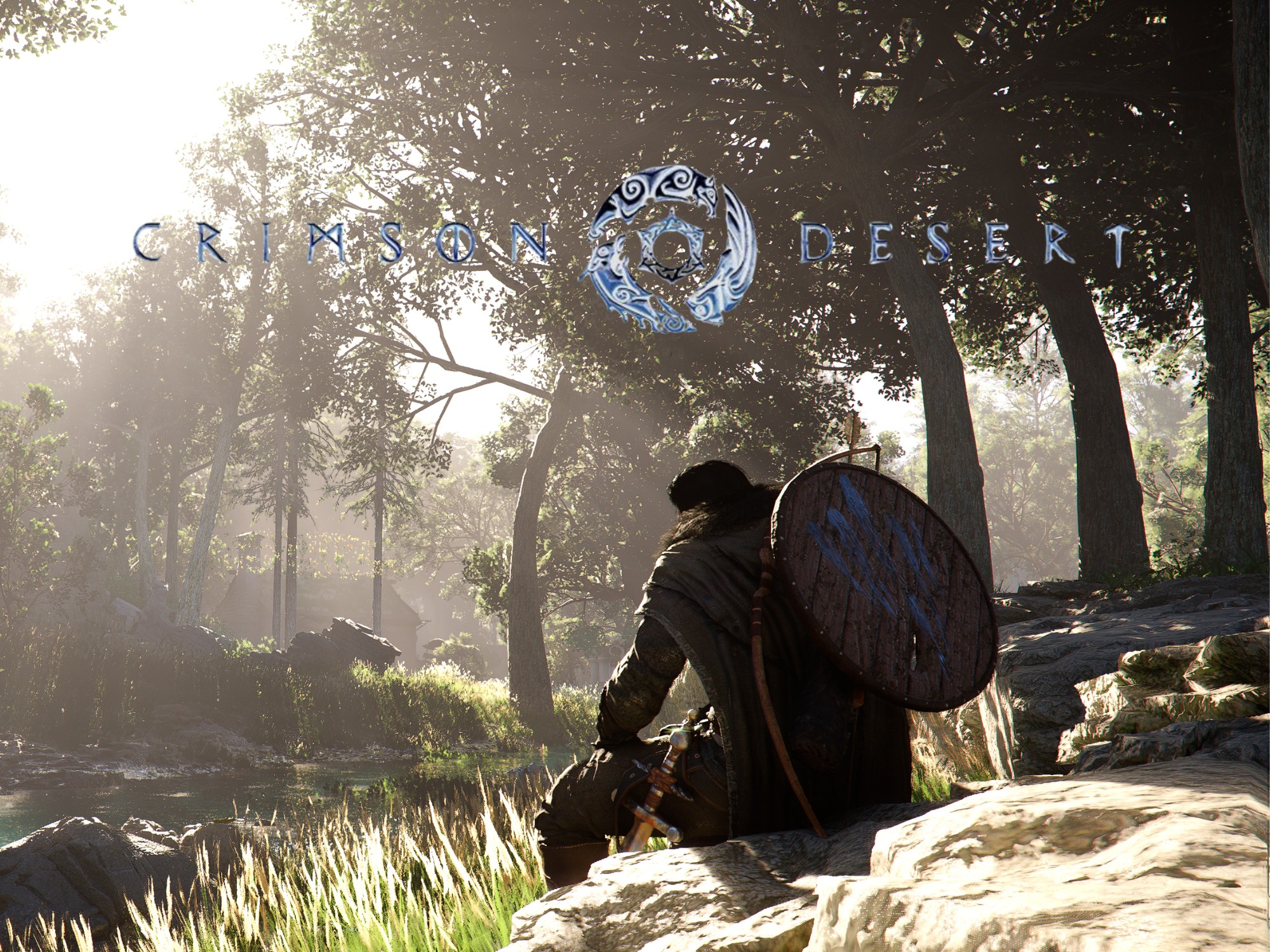
New claims from people identifying themselves as Pearl Abyss developers are offering a possible explanation for why many players and reviewers say Crimson Desert feels disjointed, both in its story and its gameplay. The comments were shared on Blind, an employee discussion platform, and later circulated more widely. While identity verification exists on that network, these statements should still be treated as unconfirmed reports rather than established fact.
Still, the details line up with a common criticism found across Crimson Desert reviews: the game’s narrative can feel oddly stitched together. Quests may come across as random, with events that don’t always connect to a clear central plot. According to one alleged developer, the story direction wasn’t truly locked in until very late in development, close to the release window. If true, that kind of last-minute decision-making can easily lead to a campaign that feels like separate ideas merged into one package.
One of the more striking allegations involves a previously planned script that was reportedly removed. A former team member, now said to be working at another major Korean studio, claimed the original story centered on a young king who had been dethroned. A high-ranking political figure—described in translation as something like a “prime minister”—initially helps the fallen ruler, only to betray him. The protagonist’s journey then focuses on stopping the traitor from seizing power, setting up a clearer through-line for the main conflict.
That version of the narrative was allegedly scrapped after leadership changes. The claims describe a workplace power structure where decision-makers resisted criticism and where challenging direction was discouraged. A second person posting on Blind reportedly echoed that sentiment, suggesting the leadership culture made it difficult for developers to push back even when they believed development was veering off course.
Beyond the story, the leaks also point to a creative strategy that may have impacted the overall feel of the game. One developer claimed the team was encouraged to pull in ideas and mechanics inspired by popular blockbuster titles rather than focusing on a singular, original design vision. The allegation specifically frames Crimson Desert as a technical and visual showcase—lush environments and impressive presentation—while narrative consistency and a distinct gameplay identity took a back seat.
That “grab-bag” approach could help explain another frequent complaint mentioned in reviews: controls that feel overly complicated. If multiple systems and mechanics are added rapidly, especially when borrowed from different design philosophies, the end result can feel like a hodgepodge. Players may sense that certain features were bolted on rather than integrated, leading to a control scheme that seems busy instead of intuitive.
The fallout has reportedly been especially loud in Korea, where anticipation for the game was extremely high. The reports also claim the company’s stock took a hit after a lukewarm critical response, reflecting disappointment from investors as well as fans. At the same time, the commercial picture appears more complicated than the harshest takes suggest. Crimson Desert reportedly moved around 2 million copies within its first 24 hours, indicating massive interest even amid mixed reactions.
If these developer accounts are accurate, they paint a picture of a project shaped by late story decisions, top-down leadership, and a design direction that prioritized spectacle and trend-chasing over cohesion. Whether Crimson Desert ultimately becomes remembered as a misstep or a rough-edged success, the discussion highlights how creative alignment and healthy internal feedback can be just as important as graphics, scale, and hype.