In the dynamic world of game development, innovation often springs from unexpected places. One such surprising venture has emerged with developer DaFluffyPotato’s efforts to harness Python for creating a cutting-edge VR game engine. While many developers might overlook Python for VR due to its perceived inefficiencies, DaFluffyPotato’s exploration uncovers a world of potential, leading to some compelling outcomes.
Facing the challenge of outdated and limited open-source engines like Godot, DaFluffyPotato embarked on a journey to develop a new stack for an upcoming 3D project. The developer deftly combined Python with GLFW, ModernGL, and OpenAL, crafting a VR shooter that’s both optimized and functional. The initiative’s cornerstone is PyopenXR, a set of Python bindings for OpenXR. This open standard enables the development of XR applications across various VR and AR headsets, acting as a bridge between software and hardware without handling rendering itself.
To achieve seamless graphics rendering, ModernGL—a high-performance rendering tool within Python—is employed, complemented by GLFW for window creation and input management. Even when confronted with a memory leak issue from PyopenXR, DaFluffyPotato was undeterred, swiftly identifying and rectifying the bug to ensure smooth operation.
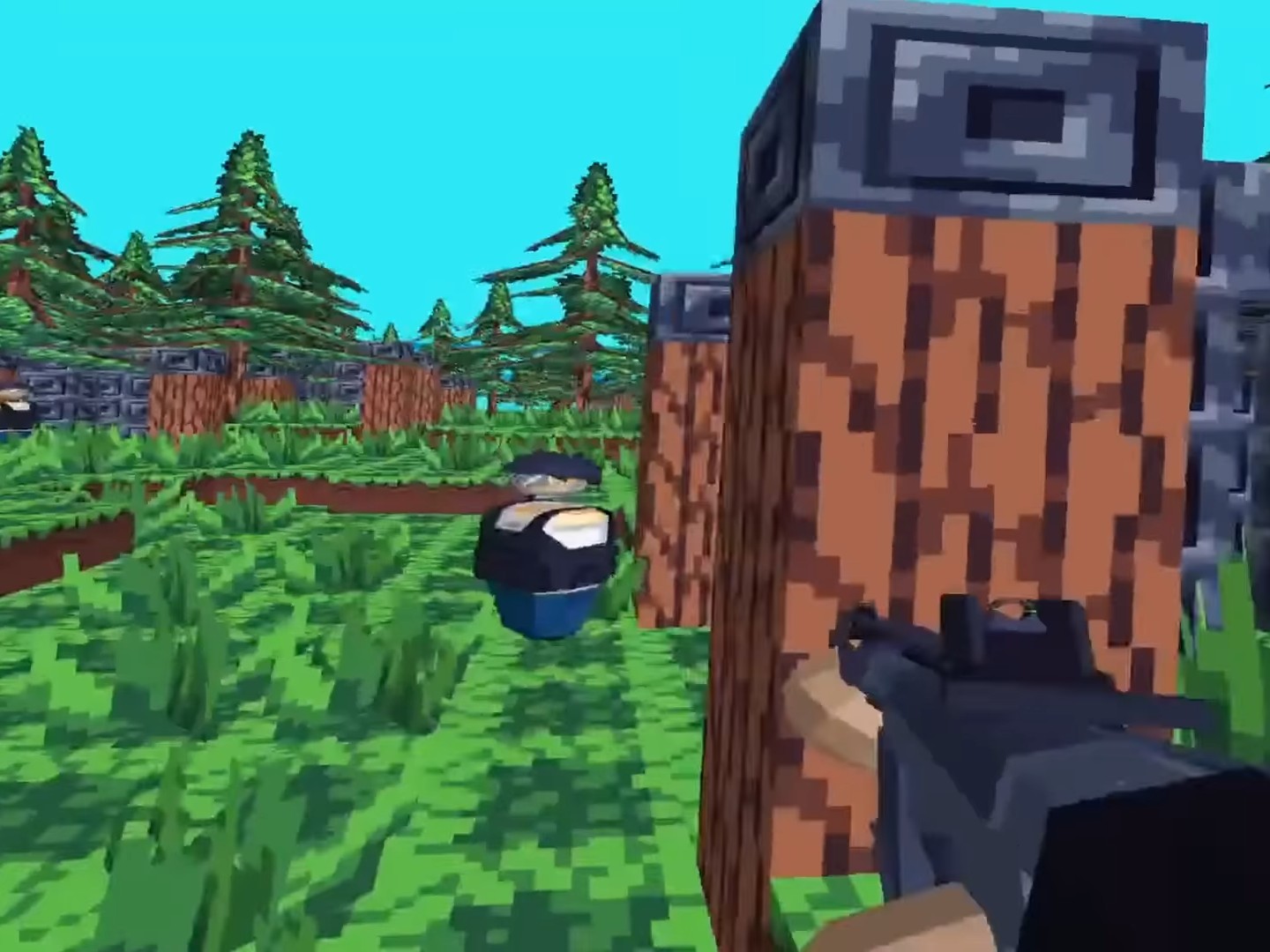
With the technical groundwork laid, the real magic happened as DaFluffyPotato launched into prototype creation. Utilizing an array of assets, including weapons, characters, and a Minecraft-inspired environment populated with enemy NPCs, the developer fashioned a complete 3D game experience. Although initially lacking spatial audio, the employment of OpenAL integrated 3D sound, enriching gameplay and aligning well with the ModernGL framework.
The project’s results are impressive. The VR game boots up in mere seconds—remarkably quicker than many of its peers—and runs without placing heavy demands on the CPU. This venture not only highlights the versatility of Python in game development but also sets the stage for exciting future upgrades, such as enhanced NPC behaviors and multiplayer functionalities.
DaFluffyPotato’s pioneering work exemplifies a thrilling intersection of innovation and technology, promising a bright future for Python in VR game development. With plans for further enhancements already underway, this project represents a bold step forward, sparking curiosity and excitement in the developer community.