In the realm of renewable energy storage, batteries that can handle the ebb and flow of energy demand are crucial. Among these, zinc-bromine batteries have been identified as a potential solution, thanks to their promising theoretical parameters. These batteries boast a theoretical potential difference of 1.83 volts and are constructed with a water-based, non-flammable electrolyte. Alongside their inherent safety features, the relatively straightforward construction and the use of abundant materials also make them cost-effective to produce.
However, the challenge has been their susceptibility to short shelf life caused by an extremely low pH at the zinc electrode. The issue lies in the escape of hydrogen gas and the consequent destruction of the battery’s separator due to the formation of zinc hydroxide, which clogs the pores.
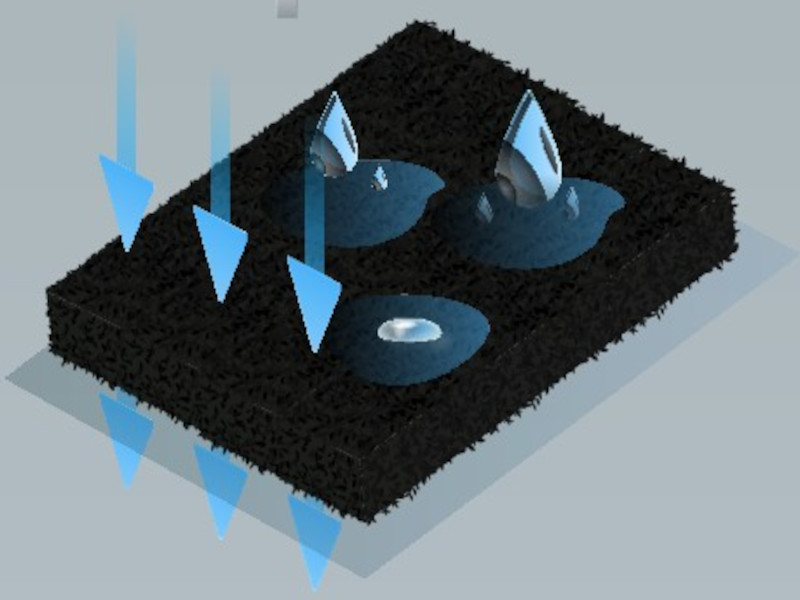
Until recently, replacing porous graphite electrodes – resilient to the acidity but failing to address the core problem – wasn’t possible. Breakthrough progress from the team at the Gwangju Institute of Science and Technology in Korea has changed that. They’ve developed an electrode made from nitrogen-doped, mesoporous, carbon-coated graphite felt (NMC/GF). This new material not only withstands the acidic conditions but also prevents the detrimental processes that degrade the battery, courtesy of its meticulously engineered nanoscale pore sizes.
Maintaining the integrity of these cells has been achieved through an innovative manufacturing process involving the heating and cooling of the material in an argon atmosphere, which sustains the nano-architecture of the pores. As a result, the zinc-bromide battery prototype has demonstrated remarkable durability. After 10,000 charge-discharge cycles, the battery maintains 96% of its performance, with energy efficiency decreasing minimally from 80% to a still robust 76%.
This translates to a potential lifespan of an impressive 27 years based on daily cycling, a figure that represents a significant leap forward for this type of battery technology and its reliability.
For those keeping an eye on energy storage technology, the implications of this advancement are vast. Durable and cost-effective batteries like these could play a critical role in managing renewable power, making a future reliant on green energy more feasible. The integration of such batteries into the power grid could ensure a continuous and steady supply of electricity, even when the sun doesn’t shine, or the wind doesn’t blow.
In application, these rejuvenated zinc-bromine batteries could be the key to unlocking longer-lasting, more reliable storage solutions for homes, businesses, and utility companies. This could result in reduced operational costs and improved sustainability, suggesting a greener, more resilient energy landscape in the years to come.