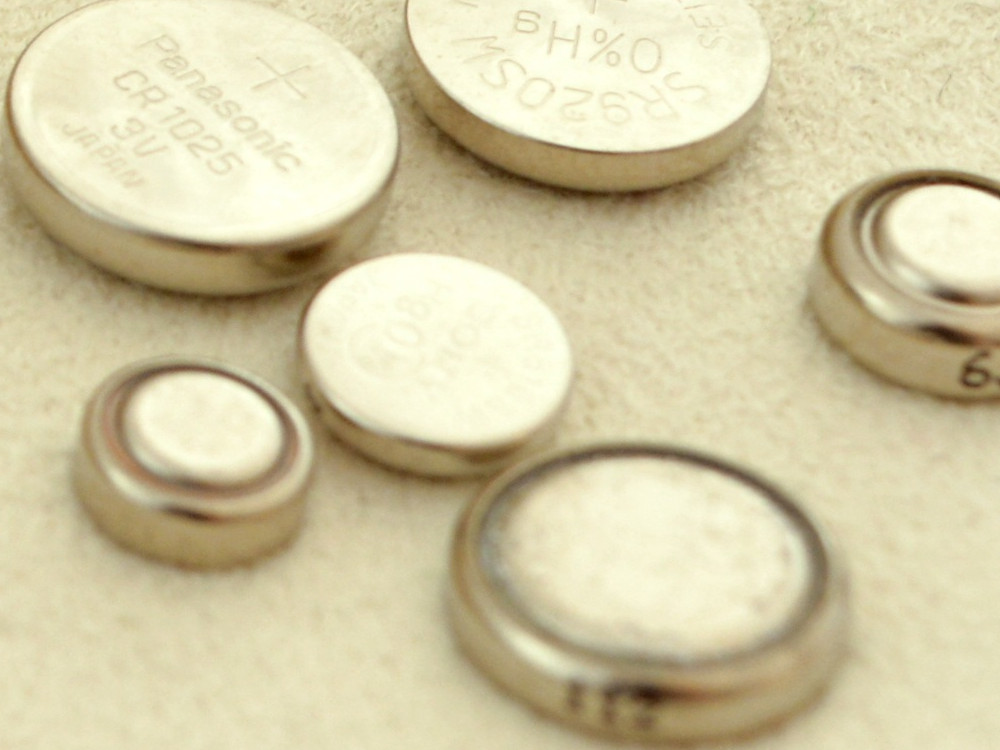
The development of solid-state batteries marks a significant leap in battery technology, providing a safer and potentially more efficient alternative to traditional lithium-ion batteries. A major breakthrough in this area is the creation of an ultra-than, high-performance solid-state battery that eliminates the risk of leaks and fire hazards associated with traditional batteries.
The energy density of these cutting-edge solid-state batteries is comparable to some of the best current models and may even surpass them in the future. However, there has been a persistent challenge in developing solid-state batteries — a promising electrolyte known for its high ionic conductivity tends to react vigorously on exposure to air, forming a protective layer that ultimately compromises battery performance and lifespan.
Current electric car batteries, capable of enduring over 10,000 charges, outlive these solid-state counterparts due to this shortcoming. However, researchers at Pohang University in South Korea have taken an innovative detour from the conventional path. By integrating a hydrophobic additive into the solid electrolyte composed of lithium, lanthanum, zirconium, and oxygen (LLZO), the stability of the battery is improved. The hydrophobic trait of the additive allows it to share key properties with the primary electrolyte, preserving the battery’s impressive performance without degrading over time.
One of the standout results of this research is the production of a battery with a thickness of just 10 micrometers — slimmer than a strand of human hair. This ultra-thin battery is not only small but also resilient to environmental factors, and boasts an energy density of a remarkable 500 watt-hours per kilogram.
The potential applications for these ultra-thin batteries are vast. Their small size and high energy density could revolutionize the way we power devices, opening up opportunities for integration into new, innovative technologies or enhancing current mobile applications.
Researchers are eager to explore the future of these batteries, including the prospect of further increasing their energy density. This advancement could lead to the production of slightly thicker batteries with even greater capacity, making them ideal for a wider range of uses, including the automotive industry.
Embracing the rapid technological advances and exploring their implications on society, the evolution of battery technology continues to be an exciting area to watch. These developments can potentially transform our everyday devices, enhancing performance, durability, and safety, consequently shaping the future of portable power sources.