As AI-powered smartphones and AI PCs accelerate into the mainstream, one hardware requirement is quickly becoming non-negotiable: much higher memory bandwidth. From on-device assistants and real-time translation to generative AI features that run locally, today’s workloads are pushing memory systems harder than ever—making next-generation mobile DRAM interfaces a major focus for device makers and chip designers.
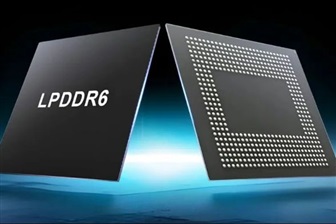
Innosilicon, a China-based interface IP provider, has now stepped into this spotlight by announcing that its self-developed LPDDR6/LPDDR5X combo IP has successfully entered commercial shipments and has already been delivered to major customers. The update signals that LPDDR6 readiness is moving beyond early development and into real-world adoption, at a time when the industry is actively preparing for faster, more capable AI devices.
LPDDR (Low Power Double Data Rate) memory is widely used across phones, tablets, ultraportable laptops, and other power-sensitive products because it balances performance with energy efficiency. With AI features increasingly running on-device rather than relying solely on the cloud, companies are looking for memory solutions that can feed data to powerful NPUs, GPUs, and CPUs without bottlenecks—while still keeping battery life in check.
By offering a combo solution that supports both LPDDR6 and LPDDR5X, Innosilicon’s IP aims to address an important transition period: chip developers can build designs that support current LPDDR5X ecosystems while positioning for LPDDR6-based products as the market shifts. For manufacturers, this kind of compatibility can help streamline product roadmap planning and reduce time-to-market for upcoming AI-focused devices.
The key takeaway is simple: AI smartphones and AI PCs aren’t just about faster processors. They also depend on faster memory interfaces to keep pace with increasingly demanding applications. Innosilicon’s announcement that its LPDDR6/5X combo IP is already shipping commercially suggests the next wave of high-bandwidth, low-power memory technology is getting closer to appearing in consumer devices.