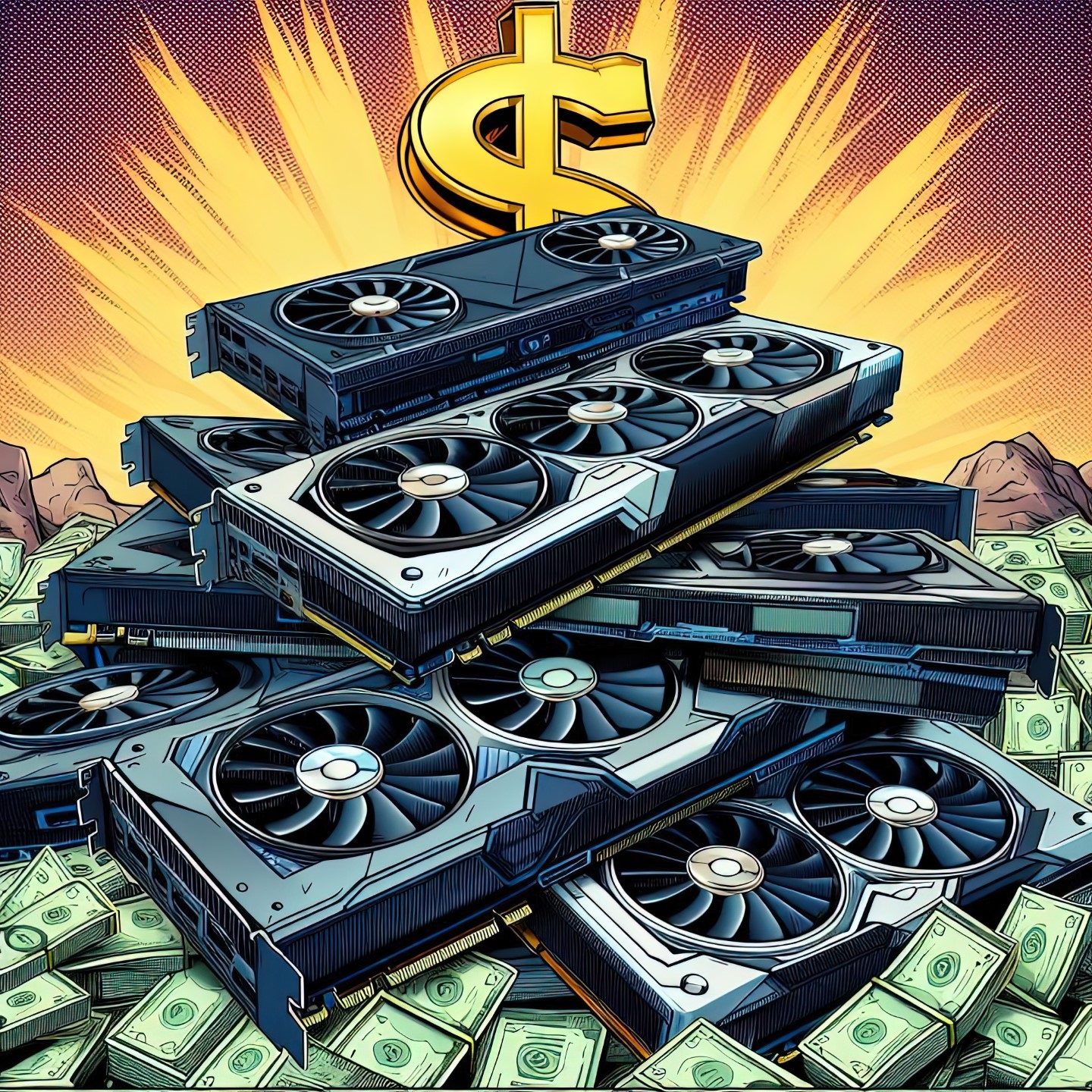
Computer enthusiasts and industry professionals in the United States may need to brace themselves for a significant hike in the prices of PC components, notably graphics processing units (GPUs) and AI accelerators. The anticipated increase comes as the Biden administration signals its intention to reinstate tariffs previously established during the Trump era on products assembled in China.
### The Tariff’s Impact on PC Component Pricing
These tariffs, which would place a 25% charge on hardware imported directly from China, cover a broad range of components, including GPUs and other AI-based accelerators. This shift in trade policy is an attempt to lessen Chinese influence on the US technology market, a notion initially set forth by the preceding administration.
Despite a temporary pause in these tariffs during the initial phase of President Biden’s tenure, recent developments indicate a pivot back to a stringent trade stance. As we near the latter half of 2023, it seems the government is on the cusp of enforcing the new policy with full effect.
### Official Statements and Anticipated Outcomes
The U.S. Trade Representative (USTR) recently issued a notice signaling its decision to maintain the intended tariffs. Upon further discussions, the USTR confirmed its commitment to the reinstatement of these taxes. Specifically, these measures will apply to components classified under the codes “8473.30.1180 and 8473.30.5100,” which include graphics cards and motherboards, among others.
Though the USTR has yet to release a formal notification for the tariffs’ imposition, it is clear that the rising political tensions between the US and China may lead to an early enforcement. Should the tariffs come into effect, consumers can expect to encounter higher prices on popular PC components, as manufacturers with assembly lines in China will see increased costs for importing their goods to the US market.
### Industry Opposition and Supply Chain Concerns
This revival of tariffs has met significant resistance from various sectors, with industry leaders arguing it could stifle trade and make the procurement of impacted items both more costly and complex. Supply chains, still reeling from global disruptions, face further instability if these policies proceed.
### Looking Ahead
The potential price surges for mainstream PC components, such as motherboards and GPUs, from manufacturers that assemble their products in China, could have a profound impact on the PC hardware market in the US. As the Biden administration steers forward with the tariff strategy, it remains to be seen how this approach will reshape the economic landscape for tech consumers and suppliers alike.
In conclusion, the US tech industry is on the edge of a notable shift as the re-implementation of tariffs may soon transform the pricing structure for critical computing components. The move underscores the ongoing complexities of international trade and its effect on domestic markets, with the potential to dramatically influence consumer behavior and technological innovation.