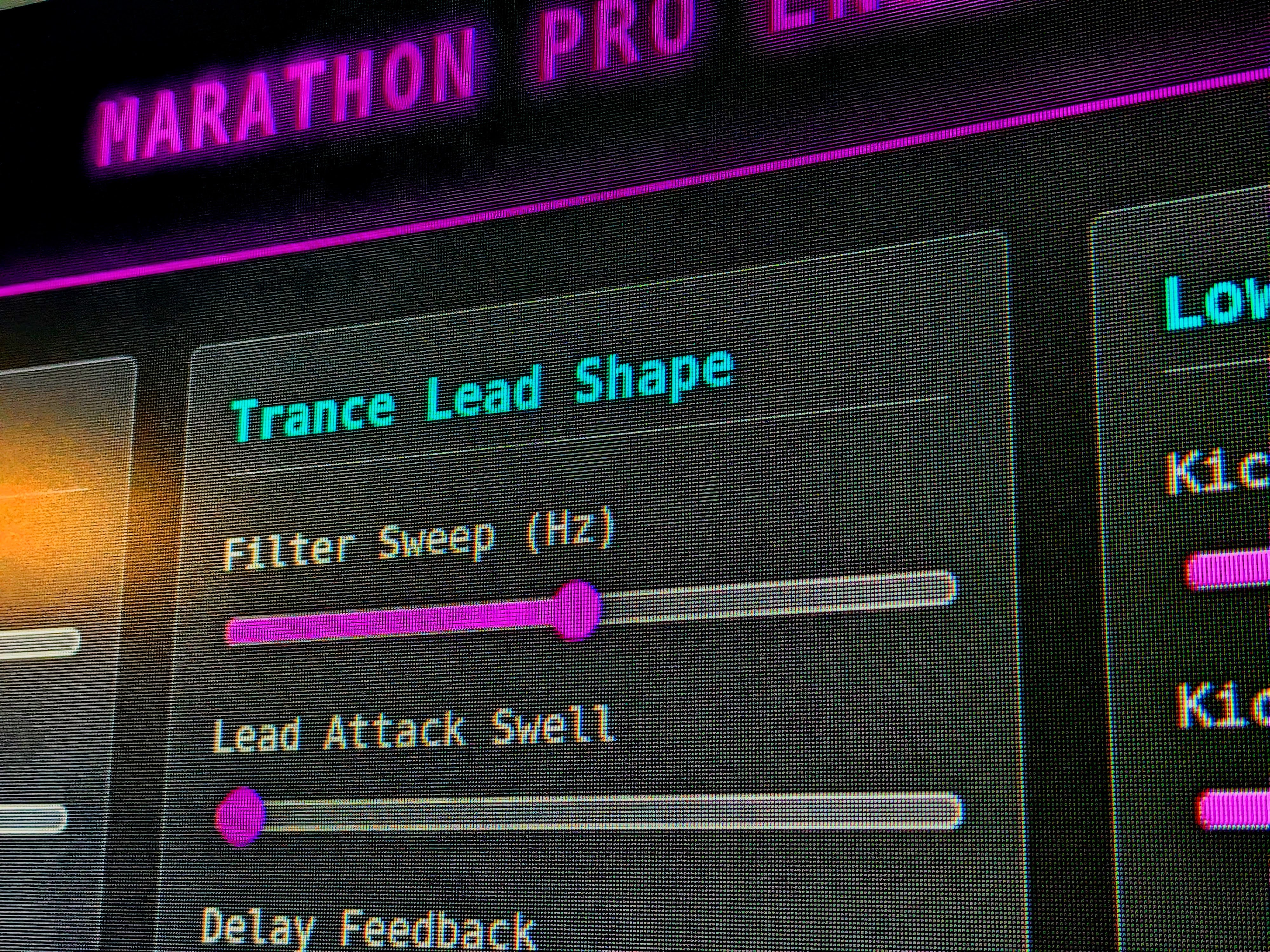
I Built a Running Beats App on the Move, and It Changed How I Think About AI Coding
What started as a simple experiment quickly turned into a surprisingly exciting look at what AI-assisted app development can do. While out on a run, I decided to see if I could create a custom running beats app using Gemini, with the goal of building something that could generate rhythm-driven sounds for workouts in real time.
At first, the results were useful but not quite what I had in mind. I asked Gemini to handle the full front-end stack, and the project finally began to take shape. The app worked, but it felt more like an advanced metronome than the trance-inspired sound tool I was hoping for. It could produce beats, but it was missing the deeper controls that would make the experience feel musical, energetic, and customizable.
The issue turned out to be simple: I had been using a lighter version of Gemini without realizing it. Once I switched to the more capable Pro model, the project improved dramatically.
With the right AI model selected, the app evolved from a basic beat generator into a more flexible running music tool. It gained a multi-tonal synth setup, letting me adjust the BPM to match my pace, randomize tones for variety, and shape the sound with more detailed controls. The most important additions were pitch, reverb, and attack settings, which made it possible to create more dynamic transitions and on-demand breakdowns while running.
That was the moment the prototype finally started to feel like the music experience I had imagined. Instead of simply keeping time, it could create a more immersive workout soundtrack that reacted to the settings I chose. It still was not perfect, but it was far more engaging than the first version.
The most impressive part of the experiment was not just that the app worked. It was that this kind of creative coding process could happen in such an active, real-world situation. Building a music app while running sounds unrealistic, but AI coding tools are making this type of fast prototyping increasingly possible.
For runners, fitness fans, musicians, and developers, the idea is exciting. Imagine being able to generate custom workout beats, adjust tempo on the fly, experiment with synth tones, and create a personalized running soundtrack without needing a full studio setup or hours of manual coding.
This small prototype shows how AI-assisted development can turn an idea into something usable much faster than traditional methods. It also highlights the importance of choosing the right AI model for the job. A lighter model may be fine for simple tasks, but more creative and interactive projects often need stronger reasoning, better code generation, and a deeper understanding of design goals.
The running beats app is still an early experiment, but it points toward a future where anyone can build personalized tools for fitness, music, productivity, and entertainment with just a prompt and a bit of creative direction. What began as a rough beat generator became a customizable synth-based workout companion, and that alone makes the experiment feel like a glimpse of what is coming next in AI-powered app creation.


