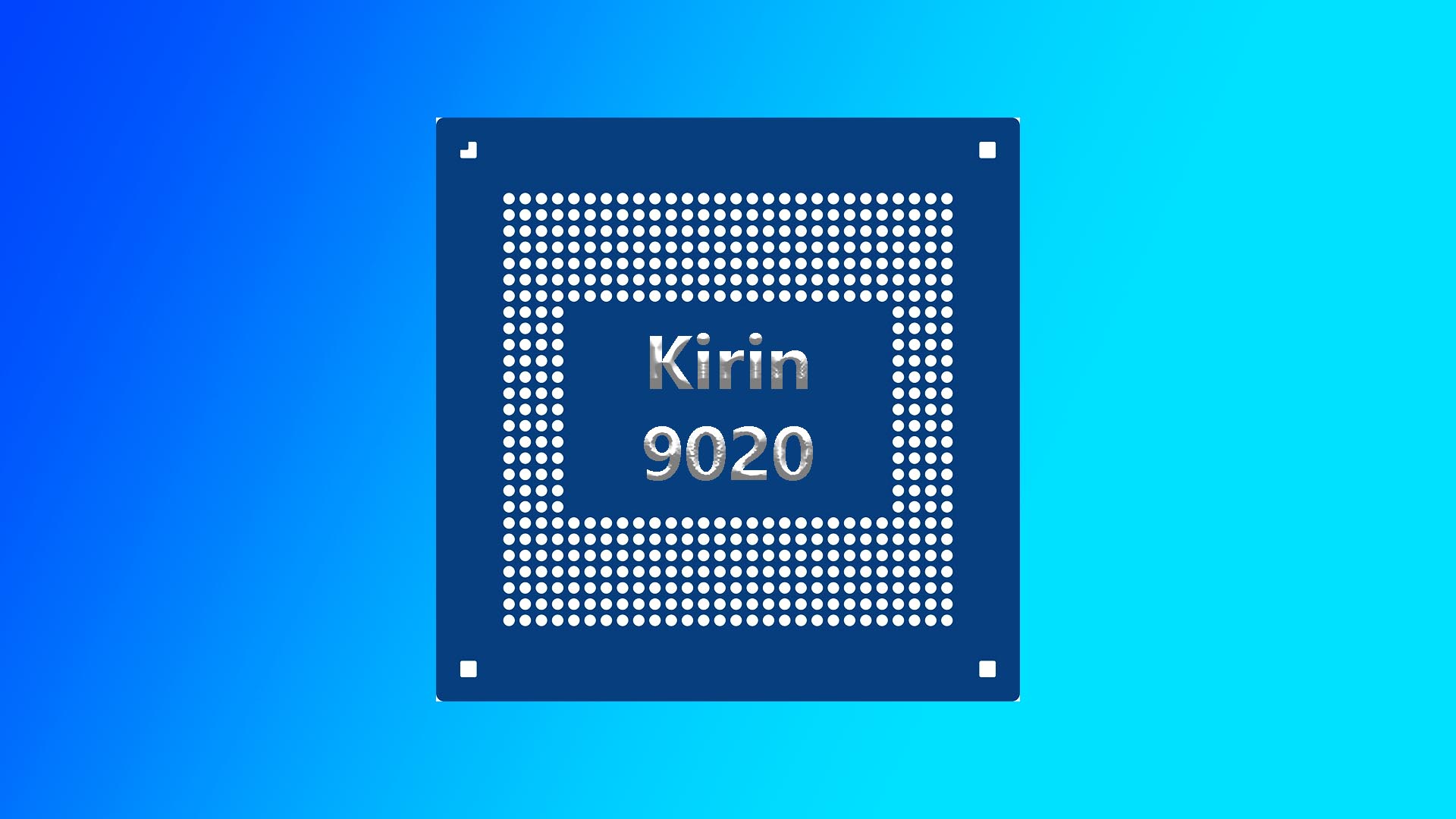
The Mate 70 series was recently unveiled, marking a significant moment for tech enthusiasts, as it showcases Huawei’s latest advancements. Among the highlights is the Kirin 9020 chipset, a successor to the Kirin 9010, which powered the Pura 70 series. Although initially reported to be manufactured on a 6nm process, it turns out that Huawei is working with SMIC, constrained to the 7nm ‘N+2’ technology. This limitation is largely due to trade sanctions imposed by the U.S., preventing Huawei from accessing more advanced manufacturing processes from global leaders like TSMC or Samsung.
TechInsights points out the challenges Huawei faces under these restrictions. Despite Huawei and SMIC’s collaborative efforts to innovate with a 5nm node, the low yields hinder commercial viability, keeping costs for the Kirin 9020 prohibitively high.
Interestingly, the Kirin 9020 boasts a 15% larger die size compared to its predecessor, which allows for increased cache and slight performance enhancements. This design shares similarities with the Kirin 9000S from last year, including packaging markings such as ‘Hi36C0’ and ‘GFCV110’.
Despite these improvements, SMIC’s technological progress is expected to stall at the 7nm level until at least 2026. This poses a considerable disadvantage for Huawei in the rapidly evolving semiconductor space. With companies like Apple and Qualcomm poised to advance to 2nm production in the coming years, Huawei’s reliance on older technology could hinder its competitiveness.
As the landscape of the semiconductor industry continues to shift, Huawei’s current predicament raises questions about its future strategies and adaptability in a market driven by rapid innovation and technological excellence.


