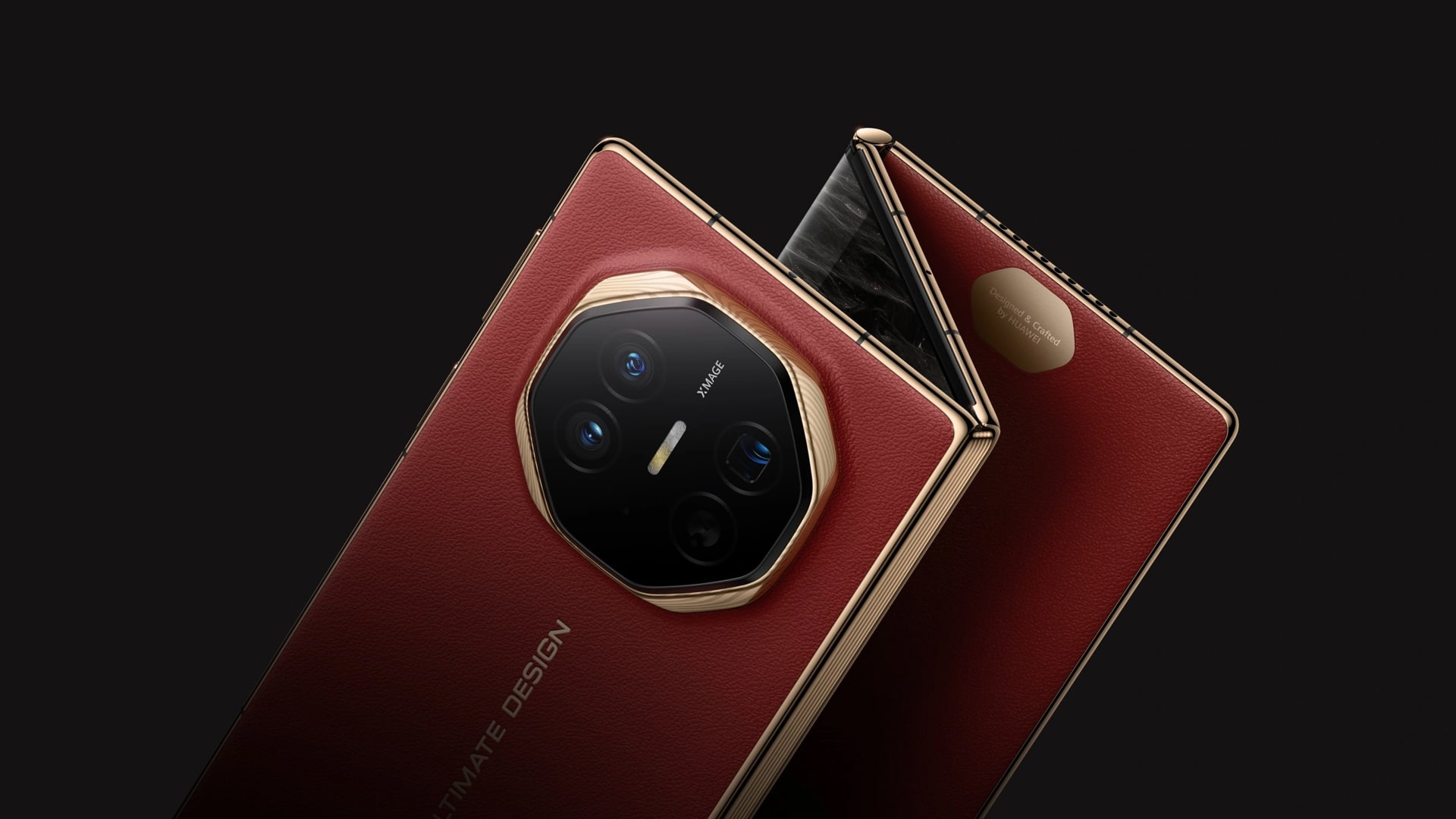
The Mate XT made history last year, capturing the world’s attention as it became the first tri-fold smartphone. Huawei pulled off a remarkable feat, launching this advanced device on September 10 and outpacing rivals who had been striving to mass-produce smartphones with similar innovative designs. Despite the challenges it faced, Huawei pushed forward, and now there’s excitement brewing about what’s next. According to industry insiders, Huawei is working on a second-generation tri-fold smartphone packed with more powerful hardware, including the much-anticipated Kirin 9020 chipset.
While there may not be a complete overhaul in design, there’s speculation that Huawei will enhance the durability of the Mate XT’s successor. Even though specific details about upgrades are sparse, the Kirin 9020 chipset, recently announced and already powering Huawei’s Mate 70 series, promises significant improvements. Despite being restricted to a 7nm process due to ongoing trade limitations and reliance on DUV technology from SMIC, Huawei has managed to introduce a 12-core cluster with hyperthreading in the Kirin 9020, offering superior multi-core performance over its predecessor, the Kirin 9010.
The constraints from U.S. trade sanctions mean the Mate XT’s successor might not reach its full performance potential, leaving it somewhat limited by current technological barriers. Nevertheless, Huawei’s commitment to sleek and efficient design is evident, and while this year’s model may not differ dramatically in appearance, enhancements like a more robust display or a larger battery could be on the horizon.
The Mate XT can transform from a 6.4-inch smartphone into a 10.2-inch tablet, setting a high bar for tri-fold smartphones. It’s likely that the upcoming model will not only build upon this versatile functionality but also maintain Huawei’s gold standard in innovative design and performance. As we anticipate its release, the second-generation Mate XT is poised to continue challenging norms and inspiring future developments in the smartphone industry.