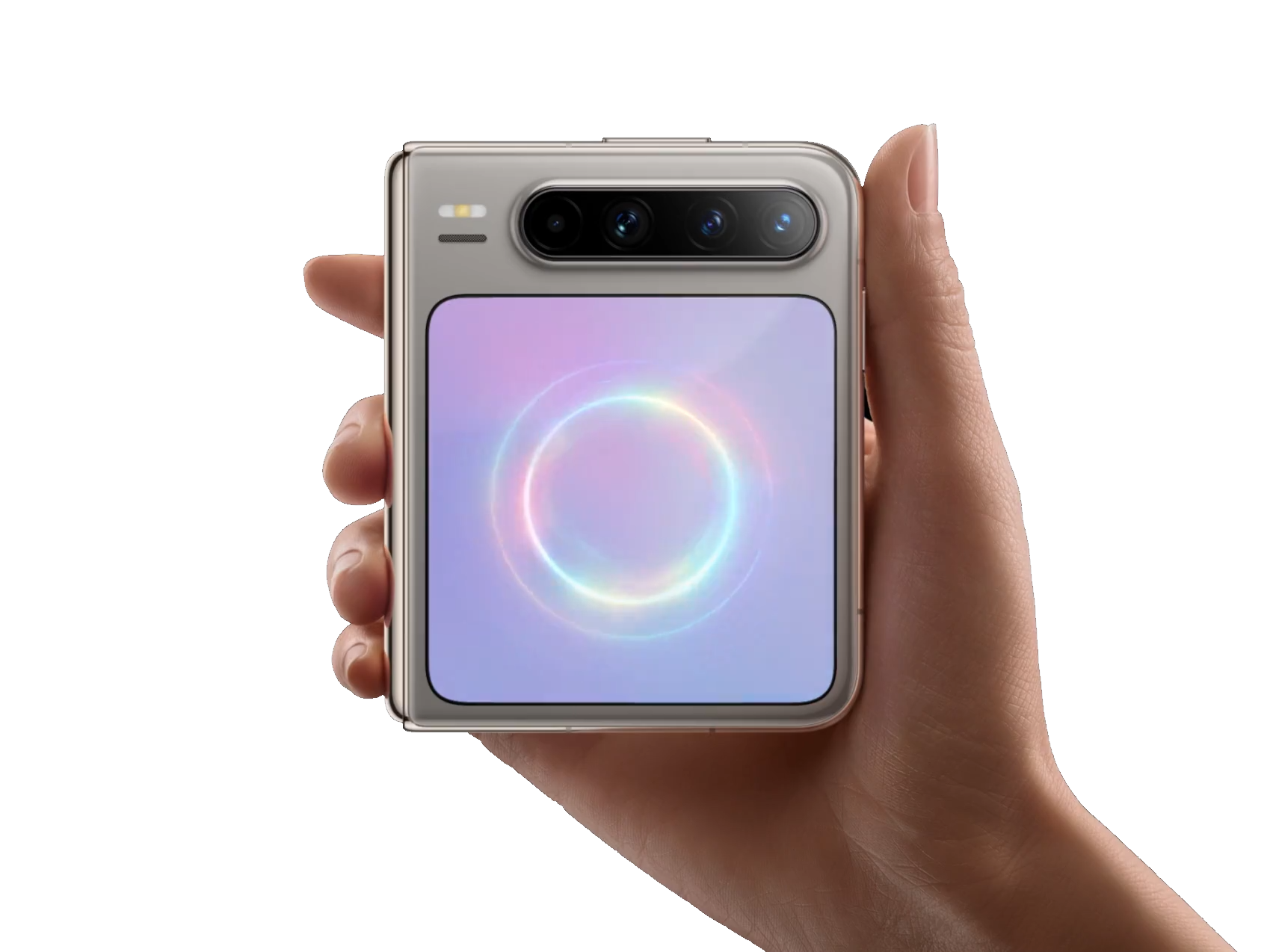
High-bandwidth memory (HBM), typically found in cutting-edge AI hardware from AMD or NVIDIA, might soon appear in devices as small as a smartphone. Rumors suggest that this upgrade could be on the horizon as smartphones strive to keep pace with the increasing demands of artificial intelligence.
Currently, top-tier smartphones use low-power DDR5X (LPDDR5X) RAM for its impressive speed and efficiency, offering performance up to approximately 68 gigabytes per second (GB/s). However, as the demand for more advanced AI capabilities grows, this might not suffice for long. A significant leap in RAM technology seems inevitable.
The future of mobile device RAM could lie in a form dubbed ‘mobile HBM,’ although insiders suggest it won’t quite reach the full extent of 2TB/s bandwidth. Instead, it might resemble the newly developed low-latency wide I/O DRAM (LLW DRAM), specifically designed to support AI functionalities. This innovation promises next-gen processing speeds reaching up to 128GB/s.
While Apple appears as a strong contender to lead this technological shift with its iPhones, rumors indicate that the honor may instead belong to Huawei. Meanwhile, Samsung, known for its prowess in developing HBM and LLW RAM, is also well-positioned to be a key player in this upcoming mobile memory revolution.