In response to the limitations imposed by the U.S. trade ban, Huawei has embarked on an ambitious investment strategy, funneling substantial funds into research and development with the aim of creating advanced chipmaking machinery. This move is in line with the company’s drive towards self-sufficiency and independence from foreign suppliers.
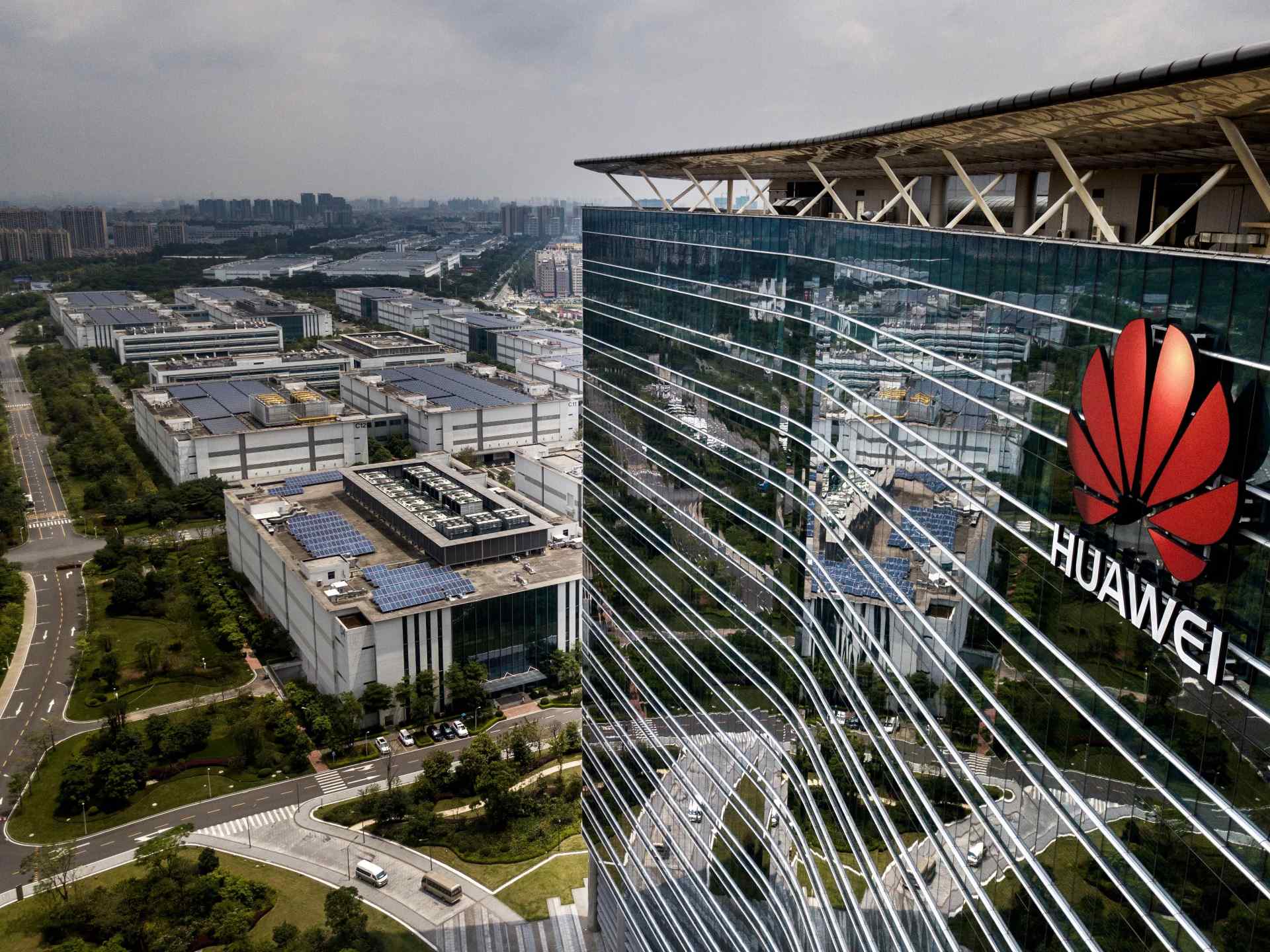
Huawei’s proactive measures involve constructing a sizeable R&D center near Shanghai, which is anticipated to span the equivalent of 224 football fields upon completion. The primary mission of this R&D hub is to engineer and produce semiconductor manufacturing equipment that can compete with the leading industry giants such as ASML, Canon, and Nikon.
The trade restrictions have substantially hindered China’s ability to progress beyond a certain tech threshold in chipset manufacturing, particularly affecting foundry partners like SMIC and Hua Hong. These companies are currently restricted to using lithography systems for the 28nm process, leaving them lagging behind in the global semiconductor race.
In an endeavor to combat these challenges, Huawei has reported an investment of around ¥12 billion, or $1.66 billion, towards the R&D facility, which will not only bolster its technological capabilities but also provide employment for more than 35,000 people. Despite its inability to recruit U.S. citizens or green card holders, Huawei is concentrating on attracting local talent by offering competitive compensation in a bid to drive innovation within the semiconductor industry.
The extensive investment indicates Huawei’s commitment to establishing a formidable footprint in the chipmaking sector. Although the future of the partnership between SMIC and Huawei remains uncertain, the current collaborative efforts are likely to strengthen Huawei’s market position domestically.
The construction of this R&D powerhouse by Huawei marks a significant step towards technological autonomy and sends a clear message about the company’s resilience and determination to maintain its competitive edge. It also underscores the growing trend of tech giants investing in their own development facilities to innovate beyond current constraints.


