Surging AI data centre workloads and the rise of high-speed computing are reshaping how the world moves information. As more organizations train larger AI models and process ever-growing volumes of data, traditional electronic interconnects are increasingly hitting speed, power, and heat limits. That’s putting optical communications and photonic chips squarely in the spotlight—and turning photonics into a strategic technology for the next era of computing.
In simple terms, today’s biggest performance bottlenecks often come down to data transfer rather than raw compute. When data can’t move quickly and efficiently between servers, racks, and accelerators, even the most powerful hardware can be held back. Optical links help relieve that pressure by transmitting data with light, enabling higher bandwidth over longer distances while reducing energy consumption compared with purely electrical connections. That’s why photonic components are becoming a priority across AI infrastructure, cloud computing, and advanced networking.
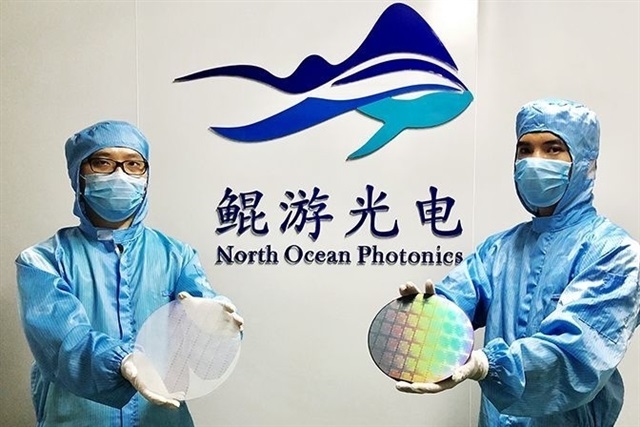
Against this backdrop, Huawei is broadening its push into photonics by strengthening the ecosystem around optical technology. The company is expanding its photonics footprint through investment tied to a photonics supplier, a move that underscores how critical supply chains and specialized partners have become in the race to scale AI-capable infrastructure. Rather than treating photonics as a single component purchase, Huawei appears to be backing the wider development pipeline—supporting the kinds of parts and manufacturing capabilities needed to meet demand.
This matters because photonic chips and optical communications hardware aren’t just “nice-to-have” upgrades anymore. They’re increasingly viewed as essential to building modern data centres that can keep up with AI-driven traffic. As training and inference workloads intensify, data centres need faster interconnects, improved throughput, and better power efficiency. Photonics is positioned to address all three, which is why investments in suppliers and production capacity are becoming a notable trend.
Huawei’s ecosystem expansion also highlights a broader industry reality: building next-generation AI infrastructure requires more than GPUs and servers. The network fabric that ties everything together is now a central battleground. Optical modules, photonic integrated circuits, and related technologies are rapidly moving from specialised niches into mainstream, large-volume deployment.
With AI data centre demand accelerating and high-speed computing becoming the norm, photonic chips are poised to play an even larger role in the future of computing. Huawei’s latest step signals that the competition to secure photonics expertise, suppliers, and capacity is intensifying—because the ability to move data faster and more efficiently may define who leads in the next wave of AI infrastructure.