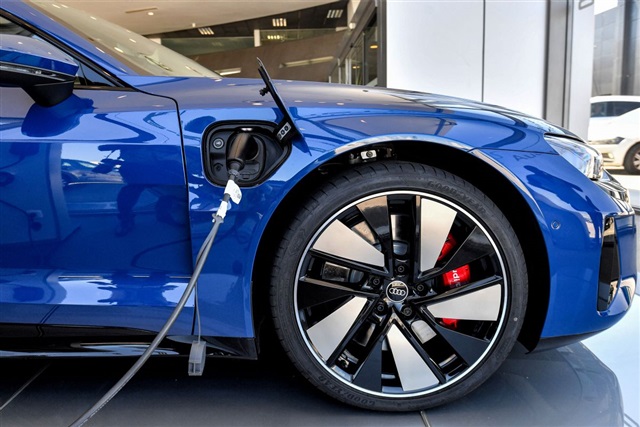
The automotive industry is currently experiencing a period of transition, with a clear shift towards electric vehicles (EVs). However, demand for EVs in the United States has witnessed some fluctuations, prompting car manufacturers to adopt varied strategies in order to adapt and thrive. This article will explore the three main tactics automakers are using to counter slow EV demand and offer insights into how these approaches could shape the future of the automotive market.
Market Analysis and Adjusted Production
One of the main strategies carmakers are implementing includes meticulous market analysis, followed by adjusting production volumes accordingly. Manufacturers are taking a data-driven approach to understand the factors affecting EV demand. They analyze regional sales data, consumer preferences, and economic indicators to forecast demand accurately. Once they gather insights, they tailor their production levels to avoid an oversupply of vehicles which could lead to increased inventory costs and potential depreciation of vehicle value.
For consumers, this means there may be less immediate availability of certain EV models, but it also suggests that the automakers are doing their best to avoid passing on extra costs to the buyer. Interested buyers may need to plan purchases in advance or be flexible with their choice of model or delivery timings.
Incentives and Marketing Initiatives
Another approach is the introduction of incentives and aggressive marketing campaigns aimed at enticing potential buyers. This includes limited-time discounts, attractive financing options, and trade-in schemes that make EVs more competitive with their gasoline-powered counterparts. Such incentives can significantly reduce the upfront cost of acquiring an EV, thereby lowering the barrier to entry for hesitant consumers.
In order to take advantage of these incentives, buyers should keep an eye on offerings from different manufacturers and compare the available deals. It’s also important to look beyond the sticker price and consider the total cost of ownership, which is often lower for EVs due to reduced fuel and maintenance costs.
Product Innovation and Diversification
Lastly, carmakers are doubling down on product innovation and diversification. They are expanding their EV lineups with new models, including SUVs and trucks, which are particularly popular in the American market. Investing in technology advancements such as increased battery range, faster charging capabilities, and enhanced connectivity features are other areas of focus. The goal is to make EVs more appealing by tackling the common consumer concerns such as range anxiety and charging infrastructure.
Staying informed about the latest advancements in EV technology can help consumers make more educated decisions about when to invest in an electric vehicle. As the technology improves and the range of available models expands, potential buyers will have more options to find an EV that fits their needs and preferences.
Conclusion
In facing sluggish EV demand, automakers in the US are adopting a mixture of strategies including adjusted production, incentives and marketing, and product innovation. By understanding these different approaches, consumers can make more strategic decisions regarding EV purchases.
Additionally, keeping abreast of the latest trends and developments within the EV sector can offer insights into the future trajectory of the automotive industry. Whether it’s through advancements in battery technology, the introduction of new EV models, or changes in government policies, the EV market is evolving—and carmakers are adapting in creative ways to encourage consumer adoption. For consumers, this presents an opportunity to engage with an evolving market and potentially find advantageous deals or cutting-edge vehicle options that align with their values and lifestyle needs.