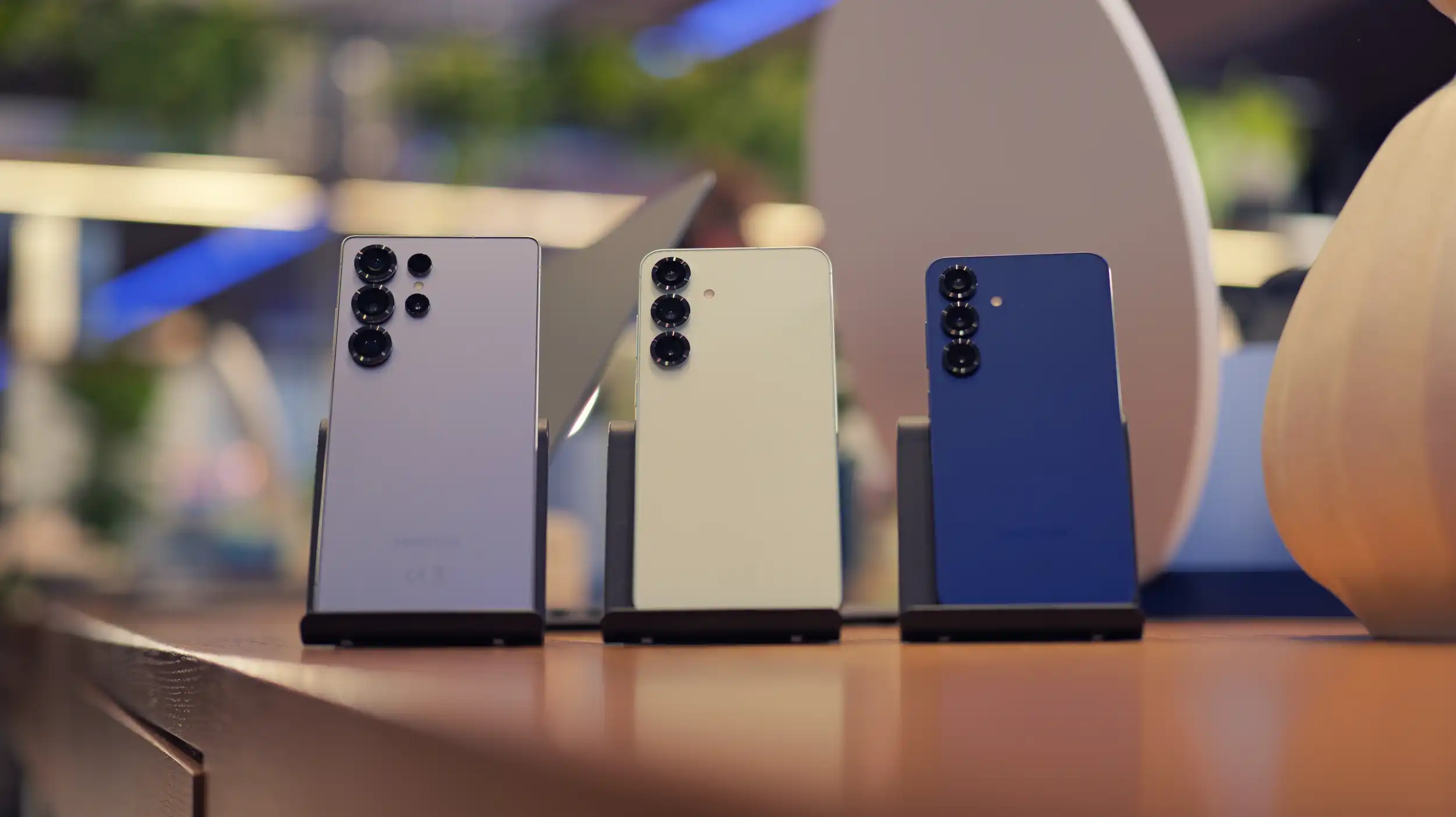
Samsung’s next flagship push is colliding with a tough new reality. On one side, the company is setting aggressive goals for the Galaxy S26 series; on the other, component prices are climbing fast, squeezing margins and making price increases hard to avoid.
Here’s what Samsung is aiming for in 2026
– MX division sales target: 130 trillion won (about $90.3 billion)
– Smartphone shipments: 240 million units
– Tablet shipments: roughly 27 million units
– Galaxy S26 series: 35 million units targeted, including 24 million in the first half of 2026 (versus 22 million Galaxy S25 units in H1 2025)
– Foldables: 5 million units expected for models launching in July
This is an ambitious attempt to regain market share after the division’s past peak of 133 trillion won back in 2013 and several quieter years since. But the timing is tricky: the cost of critical smartphone parts is rising sharply, and that threatens both pricing and profitability.
Why a Galaxy S26 price increase looks inevitable
– Samsung held the Galaxy S25 (256 GB) launch pricing in South Korea at the same level as the S24. Holding the line for the S26 appears unlikely.
– Application processor costs are up 12% year over year, and camera modules have risen 8%, according to Samsung’s semiannual disclosure in August.
– Demand for high-bandwidth memory (HBM) used in AI workloads is soaking up DRAM capacity, pushing up prices for mobile LPDDR5.
– The cost of a 96Gb LPDDR5 component has jumped 16% versus Q1 2025.
– Multiple Chinese brands have already raised prices on recent models, signaling an industry-wide adjustment.
What analysts are saying about memory and margins
– A major investment bank expects smartphone gross margins to remain under pressure for the next 12 to 18 months as memory prices climb.
– TrendForce recently lifted its Q4 2025 forecast for conventional DRAM price growth from 8–13% to 18–23%, with the potential for further increases.
– CMF data shows LPDDR4X prices (6GB/8GB/12GB) up 7–12% since late September alone, and up a staggering 76–158% year over year versus Q4 2024.
– The supply-demand imbalance for DRAM and NAND is expected to worsen in 2026, pointing to a sustained upcycle throughout the year.
– Bill of materials pressure is clear at the mass-market level: for a $299 phone, the 8GB+256GB uMCP (LPDDR4X + UFS 2.2) now costs about $49, or 16% of the retail price, versus roughly 10% a year ago. For a $119 device, a 4GB+128GB memory package has risen from $18 in Q2 2025 (15% of retail) to $27 (23% of retail).
What this means for Galaxy S26 buyers
– Higher MSRPs are increasingly likely given the current component inflation.
– If Samsung wants to hit a 35 million unit target for S26 while protecting margins, expect more aggressive trade-in values, carrier subsidies, or launch promotions to soften sticker shock.
– Storage configurations and regional pricing could be tuned to balance costs against demand.
– Foldables launching in July remain a growth lever, but they face the same memory and component headwinds.
Bottom line
Samsung is gearing up for a big 2026 with the Galaxy S26 series and renewed ambitions for its MX division. Yet the cost of processors, camera modules, and especially memory is rising fast, making a price hike for the S26 lineup increasingly hard to avoid. With DRAM and NAND expected to stay in an upcycle through 2026, the industry’s pricing power may shift back toward the bill of materials. For shoppers, that likely translates to higher list prices—or similar prices supported by stronger incentives and promotions.


