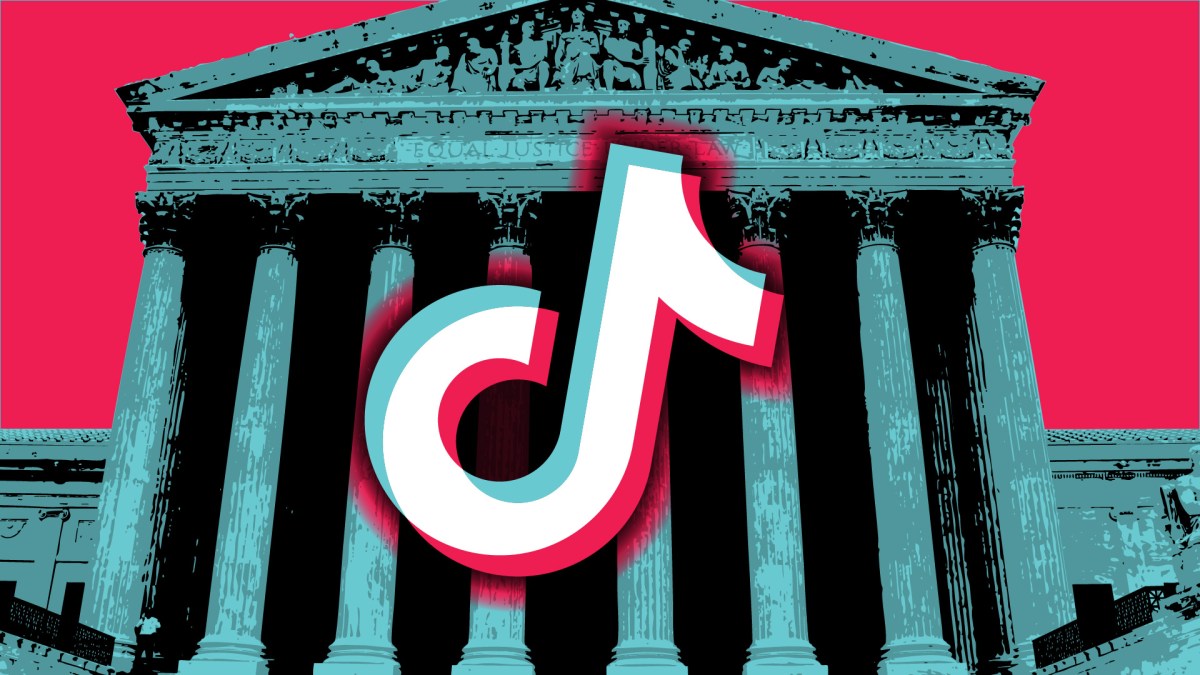
The Supreme Court has delivered a landmark decision, upholding a law that could effectively spell the end for TikTok in the United States by January 19. This ruling concludes TikTok’s prolonged legal battle against legislation demanding that the ByteDance-owned app divest its U.S. operations over national security concerns.
Once the ban takes effect on Sunday, app stores and internet hosting services will be prohibited from distributing TikTok. The platform has cautioned that the app may “go dark,” but the specifics of the ban’s repercussions remain uncertain.
In a recently released opinion, the Supreme Court responded to an appeal from two TikTok entities and a group of U.S. users challenging the ban on First Amendment grounds. The Court expressed uncertainty given the limited time frame for consideration but underscored the perceived reality of the national security threat and found the government’s response not unconstitutional. It drew a distinction between advocating for a foreign adversary and permitting that adversary to potentially spy on American citizens.
With the ban upheld, TikTok now stands at a crossroads. The next steps could involve a possible intervention by the incoming President or the pursuit of a sale of the app’s U.S. operations. Interestingly, there have been reports that China might endorse Elon Musk as a potential buyer for TikTok’s American division.
This decision follows TikTok’s recent appeal to the Supreme Court, where it argued that the legislation conflicts with free speech rights. TikTok urged delay, hoping for action from President-elect Donald Trump to secure the app’s future.
During the court proceedings, the Department of Justice contended that the law did not infringe on the First Amendment as it was not intended to curb free speech or manipulate the algorithm itself. Instead, the move stemmed from concerns that the Chinese government could compel ByteDance to share data from American users.
Throughout this legal tussle, TikTok has insisted that divesting its U.S. operations would be unfeasible due to restrictions imposed by China on exporting its algorithms. The company warns that a change in ownership could fundamentally alter the service’s nature.
The Supreme Court’s decision encapsulates a saga stretching back to 2020, affirming that Congress and the President’s resolution is emphatic yet visibly suited to addressing specific security risks. However, the ruling also acknowledges the challenges of adjudicating in the realm of rapidly evolving technology, urging caution to avoid obsolescence in future legal frameworks.
President Biden signed the sell-or-ban legislation in April 2024 amid persistent allegations that TikTok’s affiliations with China present a national security threat by potentially exposing sensitive user data to the Chinese government.
Stay tuned for further developments and updates as this story unfolds.


