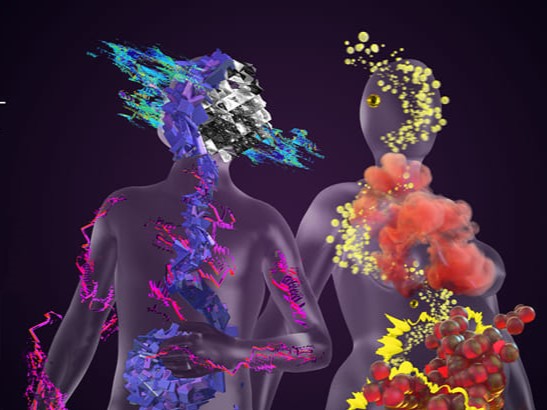
Hatsumi and Monobanda hold world premiere of SoulPaint at SXSW 2024 – a VR body-mapping project allowing participants to express emotions through healing art
In the realm of technology and therapeutic arts, the recent unveiling of SoulPaint at South by Southwest (SXSW) 2024 has marked a significant milestone. The event, held in Austin, Texas from March 8 to 16, showcased the innovative SoulPaint VR project by Hatsumi and Monobanda. This unique endeavor sits at the crossroads of technology, healthcare, and artistic self-expression, providing a platform for healing through digital creativity.
The twenty-minute virtual reality experience draws upon the concept of body mapping, an artistic therapy tool that has been used within the medical and research communities since 1992. Over the years, body mapping has gained traction as a tool for individuals to symbolically represent their personal narratives, emotions, and the relationship they share with their bodies. It particularly addresses the challenges of post-colonial impacts on healthcare, creating a non-verbal channel for marginalized groups to articulate their experiences and inner thoughts without the need for linguistic precision.
SoulPaint takes this therapeutic approach to a new level with virtual reality technology. Participants donned Meta Quest VR headsets, immersing themselves in an interactive environment where they could visually interpret their feelings on a digital canvas that mirrored their physical form. Accompanied by a narration from actress Rosario Dawson, this introspective journey allowed users to engage in self-reflection and emotional exploration in a more intimate and direct way than traditional body mapping techniques.
Feedback garnered from the SXSW premiere is expected to be pivotal in refining the SoulPaint experience. The project’s focus is to harness the potential of VR body mapping as a medium for fostering personal growth and mental well-being, drawing parallels to the therapeutic effects of music on the psyche.
SoulPaint’s development has been significantly supported by Unity for Humanity and the StoryFutures National Centre for Immersive Storytelling, with funding contributed by UK Research & Innovation. Such backing underscores the importance and potential impact of technology-enhanced therapeutic arts in modern healthcare and personal development.
For those interested in exploring the healing power of art, a wealth of resources are available, including books and research articles. Moreover, tech enthusiasts and developers may find inspiration in the project to create their own VR healing applications, leveraging tools such as the Meta Quest headset and Unity3D software.
As VR technologies continue to evolve, they open up a myriad of possibilities for enhancing the human experience. SoulPaint is just one example of how the convergence of art and innovation can lead to meaningful avenues for self-expression and healing, paving the way for a more inclusive approach to wellbeing in our digital age.