GTA Co-Creator Says Game Studios Should Listen If Players Still Want Discs
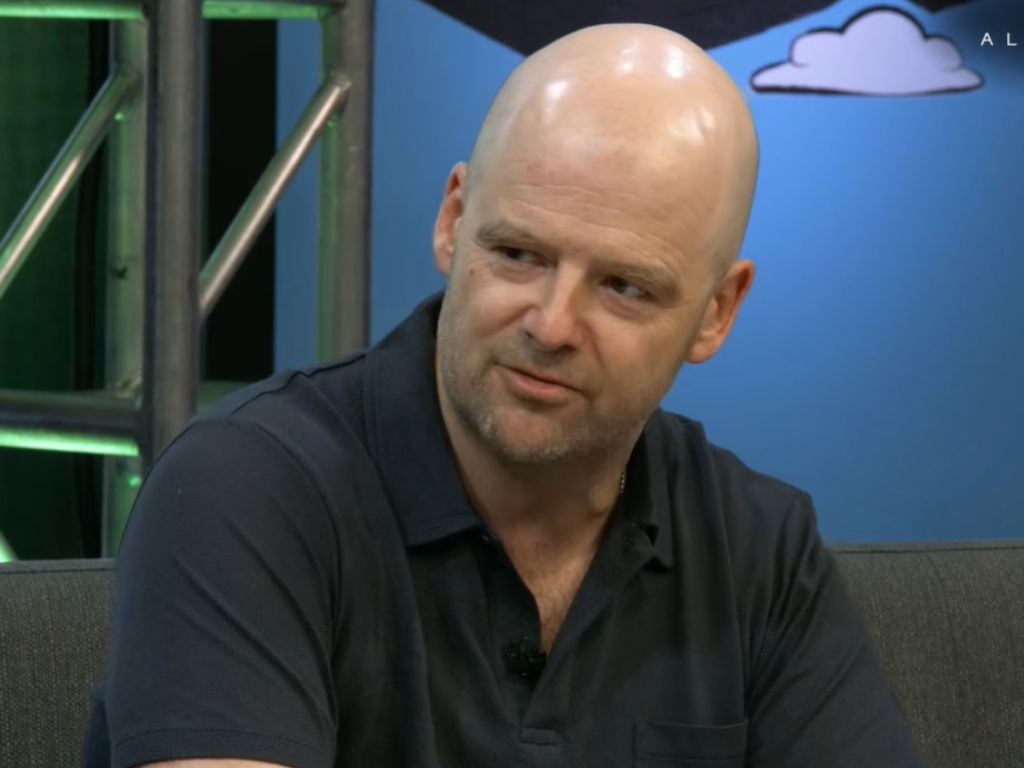
As the video game industry continues its rapid move toward digital downloads, one of the most influential figures behind Grand Theft Auto has weighed in on the future of physical games. Dan Houser, the British producer, writer, director, and co-founder of Rockstar Games, believes that if players still want physical game releases, studios and publishers should take that demand seriously.
Speaking during San Diego Comic-Con 2026 while discussing work at his current company, Absurd Ventures, Houser shared a balanced view on the ongoing physical vs digital games debate. He made it clear that he does not personally feel strongly tied to one format over the other, but he also recognizes that many gamers still value discs, boxes, and collectibles.
Houser explained that companies should respond to what players ask for. If enough gamers want physical copies, then publishers should consider offering them. At the same time, he acknowledged one of the biggest advantages of digital gaming: the ability to update, patch, and improve games after launch.
That point is difficult to ignore in modern gaming. Today’s games are larger, more complex, and often updated for months or even years after release. Digital distribution has made it easier for developers to fix bugs, improve performance, add new content, and respond to player feedback more quickly than ever before. For many players, that convenience has become a major part of the gaming experience.
Still, Houser also admitted that he has a soft spot for the traditional format, simply saying that he loves physical media.
That short statement captures how many longtime gamers feel. There is something special about buying a game in a box, opening it, placing the disc into a console, and adding it to a shelf. Physical games offer a sense of ownership that digital libraries often struggle to match. For collectors, preservationists, and fans who enjoy gaming history, physical releases remain important.
A longtime creative collaborator of Houser’s, who previously worked on Rockstar projects and now works with him at Absurd Ventures, also shared a similarly balanced opinion. He noted that there is a nostalgic feeling attached to holding a physical copy of a game, but digital downloads bring undeniable convenience.
He gave the example of being at an airport and quickly downloading games to a handheld device before a long flight. That kind of instant access is one of the strongest arguments in favor of digital gaming. Players no longer need to visit a store, wait for delivery, or carry multiple discs while traveling. A game can be purchased, downloaded, and played almost anywhere.
At the same time, he compared the experience of digital work with creating a physical comic book, describing the process as creatively different and fulfilling. Having a finished physical product can feel rewarding in a way that purely digital releases do not always replicate.
The discussion arrives at a time when physical video game releases appear to be shrinking across the industry. More publishers are focusing on digital storefronts, subscription services, and online ecosystems. Some physical editions now ship with little more than a download code in the box, which has frustrated players who expected an actual disc or cartridge.
Grand Theft Auto VI is one of the most anticipated games in the world, and its release format has already become part of the wider conversation. The game is expected to arrive on November 19, 2026, and there has been growing concern among fans that some physical versions may not include a full playable disc, instead relying on a digital download code.
For players who care about preservation and ownership, that shift is troubling. A boxed copy without the game on the disc can feel less like a true physical release and more like a digital purchase with packaging. It also raises questions about long-term access, server availability, and whether players truly own the games they buy.
Digital gaming has improved the industry in many ways, especially through updates, patches, and easy access. However, concerns around digital rights management, account restrictions, and online dependency continue to bother many gamers. If a game requires servers, licenses, or constant verification, some players worry about losing access in the future.
That is why physical media still matters to a large part of the gaming community. It is not just about nostalgia. It is also about ownership, preservation, collecting, and consumer choice.
Houser’s message is simple but important: if gamers want physical games, companies should listen. The future of gaming may be increasingly digital, but there is still a passionate audience that wants discs, boxes, and tangible releases to remain part of the industry.


