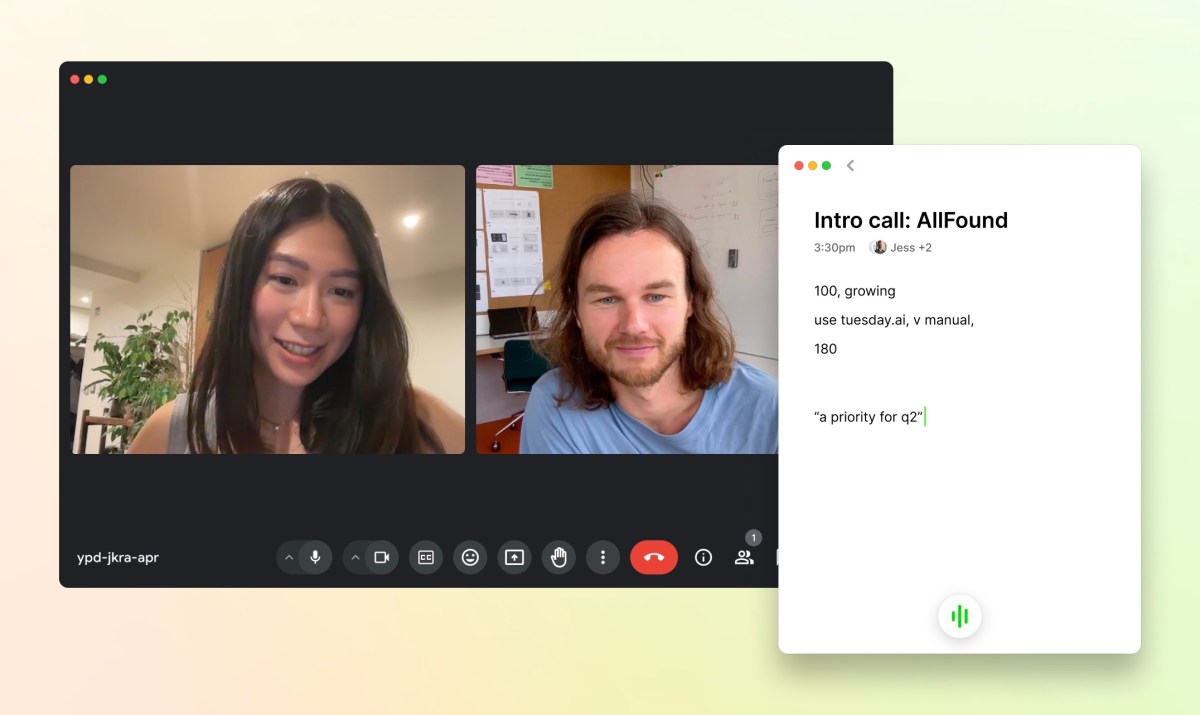
Granola, the innovative AI-powered note-taking tool, has been gaining significant traction since its launch just a year ago. Its rise in popularity stems largely from organic word of mouth among venture capitalists and founders. Beyond its core function of automating meeting notes, users have found new ways to leverage Granola, particularly for organizing personal notes. This flexibility allows users to have all their information at their fingertips, enabling Granola’s AI to analyze and deliver insightful data.
Chris Pedragel, Granola’s co-founder, shared insights about this trend, noting that users are keeping Granola active throughout the day due to numerous meetings. This constant use partly explains the tool’s expanding user base, which has been growing by 10% weekly. While specific user numbers remain undisclosed, the platform’s organic growth is evident.
On the back of its rapid rise, Granola recently secured $43 million in Series B funding, led by the venture firm NFDG. Existing investors such as Lightspeed and Spark also participated, along with angel investors from tech giants like Vercel and Shopify. This round of funding boosts the company’s total raised to $67 million, propelling its valuation to $250 million.
Granola is not resting on its laurels. The startup is enhancing its utility for businesses with a new collaboration feature that allows for shared transcripts and notes among team members. This enables Granola’s AI to draw from a wider array of information, offering deeper insights. Teams can now create custom folders for specific needs like sales or hiring, and even share notes with non-users, facilitating broader access to its AI capabilities.
While other apps like Read AI and Otter offer similar features, Granola sets itself apart by keeping the user in control at all times. According to Pedregal, it’s not just about capturing meetings but providing a dynamic workspace for ongoing collaboration.
Recently, enhancements to the app allow users to query the AI about recorded meetings. Going forward, users will be able to inquire about specific folders, giving them tailored insights.
This shift towards collaboration represents a trend where AI-powered tools are integrating with other platforms to become centralized knowledge hubs. In a similar move, productivity suites, like Notion, are adding transcription capabilities to retain users.
Mike Mignano from Lightspeed highlights Granola’s competitive advantage, attributing it to its intuitive interface and blend of AI efficiency with user control. He believes these new collaborative features will foster long-term engagement and create network effects, solidifying Granola’s position in the market.