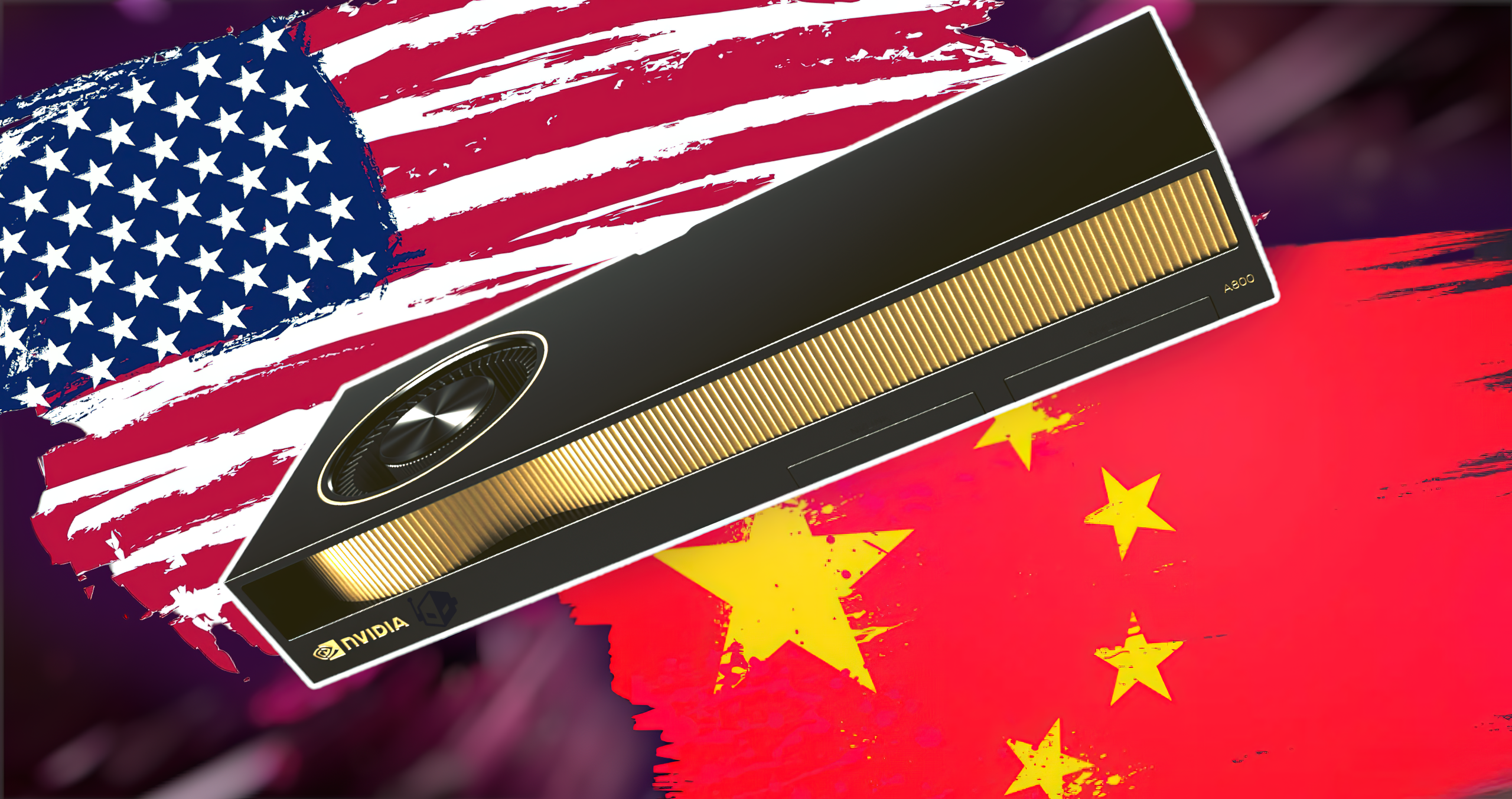
The Biden administration has conveyed a sigh of relief to US consumers who have been anxious about the potential increase in prices for GPUs and other hardware imports from China due to previously discussed tariffs. These tariffs, initially set during the Trump era, aimed at imposing 25% additional costs on various imported hardware components such as GPUs, AI-based accelerators, and more, as part of an effort to lessen China’s influence on the American market. The current government, however, appears to have postponed the implementation of these tariffs until least May 31, 2025.
Last week’s updates highlighted a possible shift towards implementing the new taxation policy sooner. Nevertheless, a critical detail from the United States Trade Representative (USTR) was overlooked which indicated the revised timeline. In a conversation with PCMag, both the USTR and ASRock, a company known for its PC motherboards and GPUs, clarified the present situation and what it means for businesses and consumers.
According to the USTR communicated via PCMag, not all products falling under the two tariff codes that were under scrutiny would be subjected to the additional duties. Some specific products are granted an exclusion, notably “printed circuit assemblies for rendering images onto computer screens,” which directly refers to GPUs and suggests they will not be affected by the anticipated tariff policy. This means that vendors specializing in PC components sourced from China, such as ZOTAC and MSI, can expect to sustain their costs without passing the burden onto consumers for the time being.
The delay in tariff implementation is a positive development against the backdrop of heightened tensions between the US and China, especially in the technological arena. Within this competitive environment, any increase in costs not only affects businesses but also the end consumers, whose access to technological advances and equipment like GPUs could be hindered by political decisions.
As of now, those looking to upgrade their computing systems or invest in new GPUs can rest easy knowing that prices should remain stable without the additional tariffs affecting their purchases. This provides breathing room not only for consumers but also for retailers and manufacturers who rely on the import of these components. It is a welcome window of opportunity for all involved to navigate investments and purchases without the looming pressure of potential cost hikes due to government-imposed tariffs. By keeping informed of such trade policy developments, US consumers and tech enthusiasts can make more informed decisions regarding their hardware purchases. It’s also a lesson in how political landscapes can significantly impact the tech industry and consumer markets. To stay ahead, consistently monitoring policy changes and understanding their implications remains key for both businesses and consumers in the tech space.


