GPU Prices Could Climb Again as Supply Tightens and AI Demand Strains the Market
The graphics card market may be heading into another difficult stretch, with system integrators warning that GPU supply is becoming tighter and prices could rise further in the near future.
For nearly a year, PC builders and hardware buyers have been dealing with unstable component pricing. Memory and SSD costs have already surged due to rising demand, especially from artificial intelligence workloads and data center expansion. Now, graphics cards appear to be getting pulled into the same supply squeeze, creating new concerns for gamers, creators, and anyone planning to buy or build a PC.
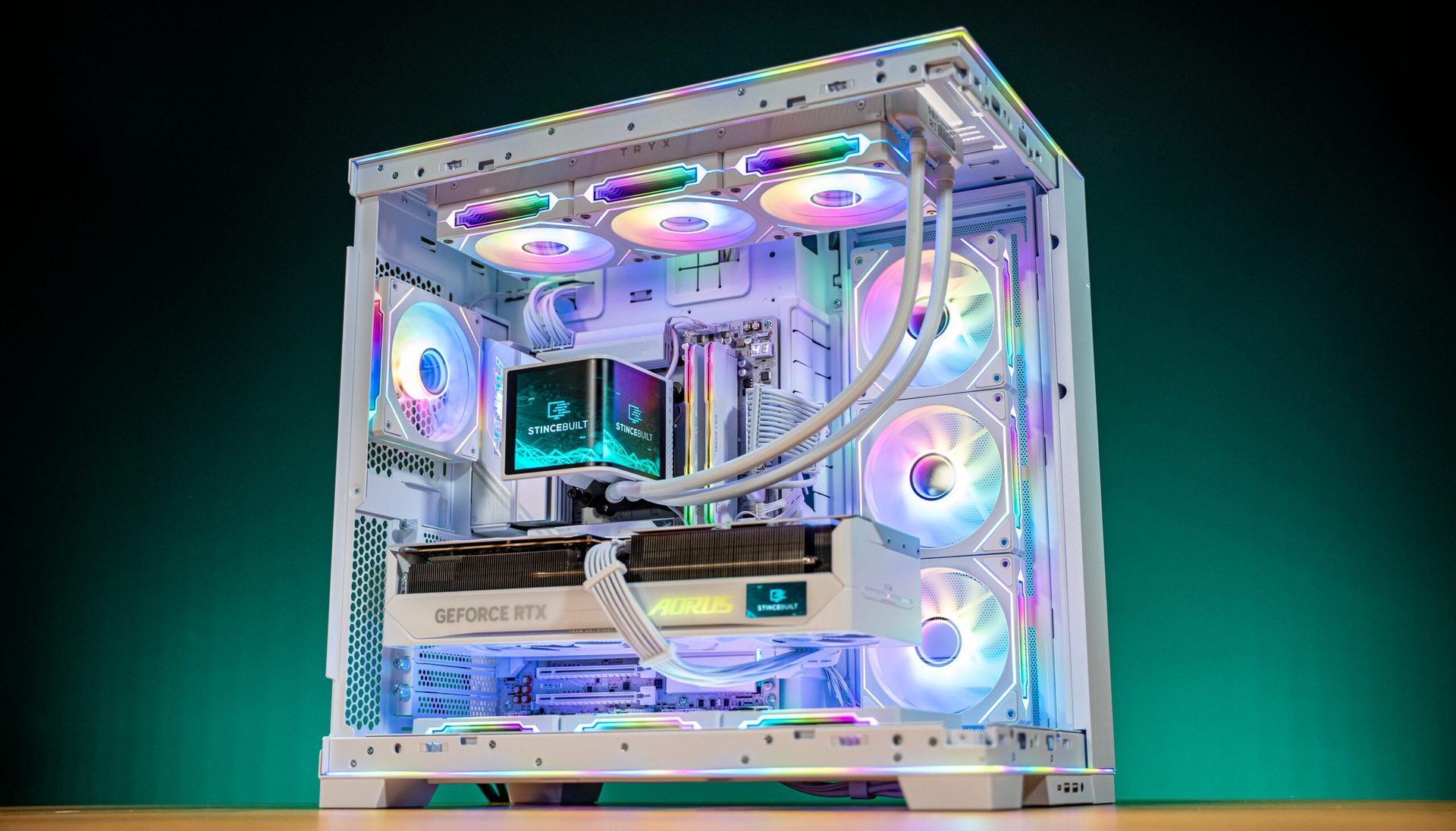
Stince Built, a U.S.-based custom PC system integrator, recently warned that GPU availability is becoming more limited across distribution channels. According to the company, securing enough graphics cards for upcoming PC builds has become increasingly difficult, and the situation is developing at the same time as memory demand continues to intensify.
The company expects GPU prices to rise significantly if supply constraints continue. It also suggested that elevated pricing may not be temporary, meaning buyers could face higher costs for an extended period.
This is especially concerning because GPU prices have already increased sharply compared to last year. Some models are reportedly selling for 50% to 60% more than they did previously, while certain graphics cards are nearing or reaching end-of-life status. When older inventory disappears and replacement stock arrives at higher prices, the overall market can become even more expensive.
NVIDIA’s RTX 50 series has already seen multiple price increases this year, making high-end gaming PCs and workstation builds much harder to afford. Reports also indicate that production changes may be affecting availability of top-tier models, with more focus shifting toward professional-grade products.
AMD graphics cards are not immune to the trend either. The company has also introduced additional pricing increases, which could add even more pressure on system integrators and consumers alike.
For companies that build custom PCs, this creates a difficult balancing act. They need to secure enough GPU inventory while trying to avoid passing large price increases on to customers. However, if wholesale costs continue rising, higher PC build prices may become unavoidable.
For everyday buyers, the message is clear: waiting may not guarantee better GPU prices. If supply continues to tighten and demand from AI, data centers, gamers, and PC builders stays strong, graphics cards could become even more expensive in the coming months.
The situation is a reminder that the PC hardware market remains highly sensitive to supply chain disruptions and demand spikes. Memory, SSDs, and GPUs are all critical components, and when pricing rises across several categories at once, the total cost of a new gaming PC or workstation can increase quickly.
Anyone planning a PC upgrade may want to watch GPU pricing closely. While there is always a chance that supply could improve, current signals from system integrators suggest that graphics card availability may get worse before it gets better.