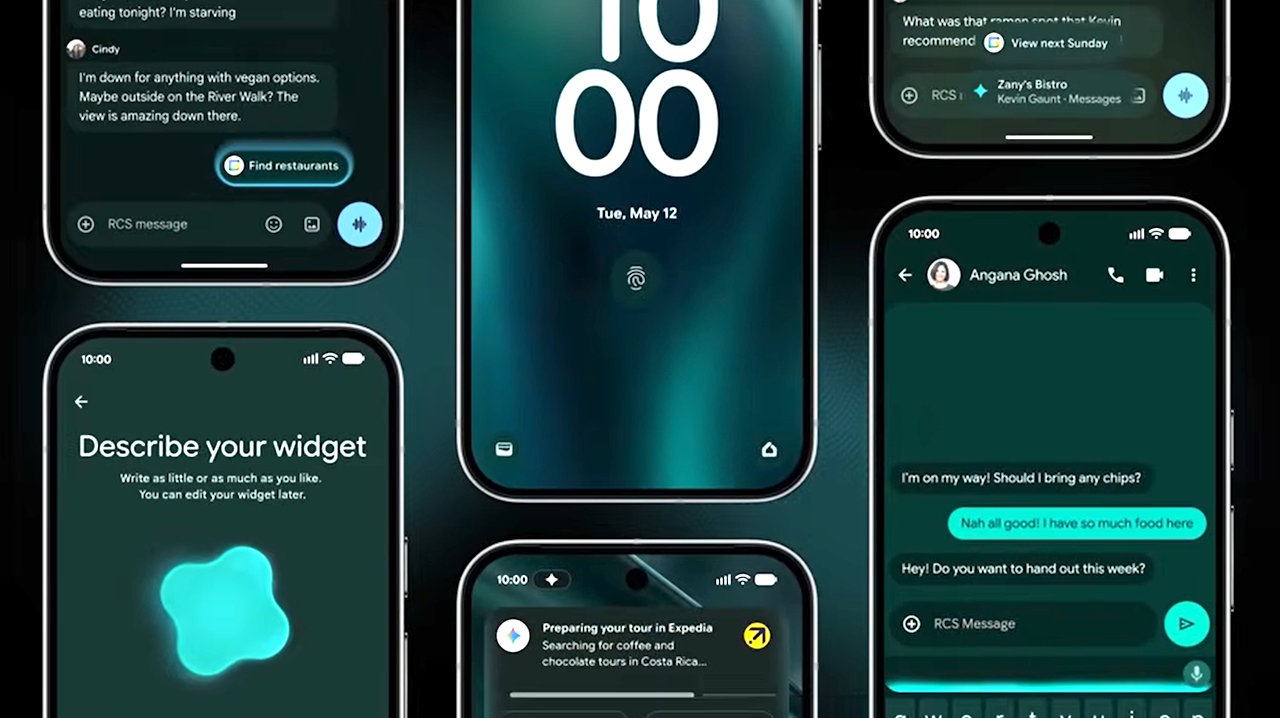
Google is preparing to expand Gemini Intelligence AI across Android, and the idea is simple: an always-available assistant that can help users push through everyday productivity obstacles on their phones. For many people, that could mean faster task completion, fewer steps to get things done, and less time spent navigating menus or apps.
At the same time, the announcement leaves several important questions unanswered—especially for users who are cautious about letting AI handle actions that could affect personal files, messages, and accounts. There was no specific information shared about Gemini’s error rate when interpreting requests and carrying out automated tasks. Google also didn’t address how well the system can resist prompt injection attacks, a growing security concern where carefully crafted instructions attempt to trick an AI into doing something unintended.
Those worries aren’t theoretical. Recent AI mishaps across the industry have shown that when automation goes wrong, the consequences can be severe—ranging from wiping important emails to deleting valuable work files, or even causing broader device data loss. For Android users, the biggest concern is accountability: if an AI system makes a costly mistake, who bears responsibility for the damage and potential financial loss?
Google did emphasize user control in its messaging. Mindy Brooks, VP of Android Platform, said, “Gemini will get to work only when I say so, and stops as soon as the task is done.” That statement suggests Gemini’s Android integration is designed to be user-initiated rather than constantly acting on its own. However, Google has not clarified how quickly a task can be halted if something starts going off track, or what safeguards are in place to prevent “runaway” actions once an automated process begins.
As for availability, these new Gemini Intelligence AI features are expected to begin rolling out in summer 2026, starting with Google Pixel and Samsung Galaxy smartphones. For anyone interested in AI on Android, the rollout will likely be a major step forward—but many users will also be watching closely for details on safety, security, and what protections exist if the AI makes a serious mistake.