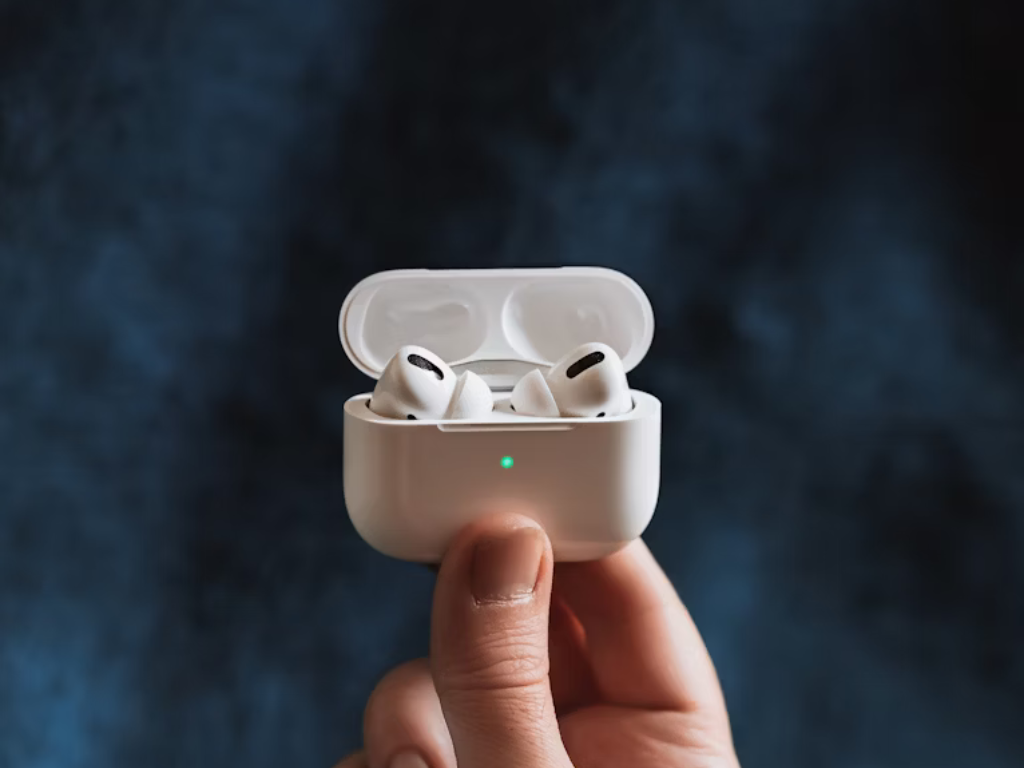
Apple is moving beyond Bluetooth with a new audio protocol built for speed, fidelity, and smarter sync. Called SPR AVS (Spatial Relay Audio-Visual Sync), it debuts with iPhone 17, AirPods Pro 3, and Vision Pro to tackle the very problems Bluetooth can’t: compression, latency, and limited device coordination.
Why this matters
– Bluetooth remains great for compatibility, but it compresses audio and introduces latency that can break lip sync and hinder gaming, music production, or live translation.
– AirPlay improved multi-device streaming, but it wasn’t designed for precise real-time audio-video sync or passing sensor and biometric data.
What SPR AVS brings
– Peer-to-peer encrypted links: Audio and data move directly between devices rather than relying on cloud routing or traditional Wi‑Fi paths, reducing lag and boosting privacy.
– Adaptive bandwidth: The connection dynamically adjusts to environmental noise and device conditions, enabling true lossless audio while keeping latency under 10 milliseconds.
– Multi-device precision: Built-in support for synchronized playback across multiple devices and the ability to carry sensor and biometric data makes it ideal for spatial audio, AR, and VR.
– A complementary approach: SPR AVS isn’t meant to replace Bluetooth everywhere. It’s there when higher performance is essential, while Bluetooth handles everyday, cross-platform needs.
Where you’ll see it first
– Initial support is rolling out with iPhone 17, AirPods Pro 3, and Vision Pro, with updates extending to newer iPhones and Macs over time. While full technical documentation hasn’t been published, early developer materials and industry analysis point to sub-10ms latency, lossless quality, and robust multi-device coordination.
A big win for creators and pros
– In March 2025, AirPods Max added wired USB‑C support for 24‑bit/48 kHz audio with low latency. This means you can finally monitor and mix with higher accuracy when connected by cable.
– Over Bluetooth, audio is still compressed; true lossless on AirPods Max is only available via USB‑C. Plugged in, you get high-resolution sound plus personalized Spatial Audio and head tracking that Bluetooth bandwidth can’t fully match.
Who benefits most
– Gamers get tighter audio-video sync and faster response for competitive play.
– Musicians and producers gain more accurate monitoring and timing.
– AR/VR users experience smoother, more convincing spatial audio and head-tracked sound.
– Live translation and accessibility tools become more responsive with lower delay and sensor-aware audio.
What to expect next
– As Apple updates its hardware lineup, expect SPR AVS to appear in more devices alongside expanded wired lossless options. The result should be better fidelity, dramatically lower latency, improved privacy through peer-to-peer encryption, and more immersive cross-device experiences.
Bottom line: Bluetooth isn’t going away, but for moments when every millisecond and every bit of detail matters, SPR AVS and wired lossless give Apple’s audio ecosystem a serious performance upgrade.