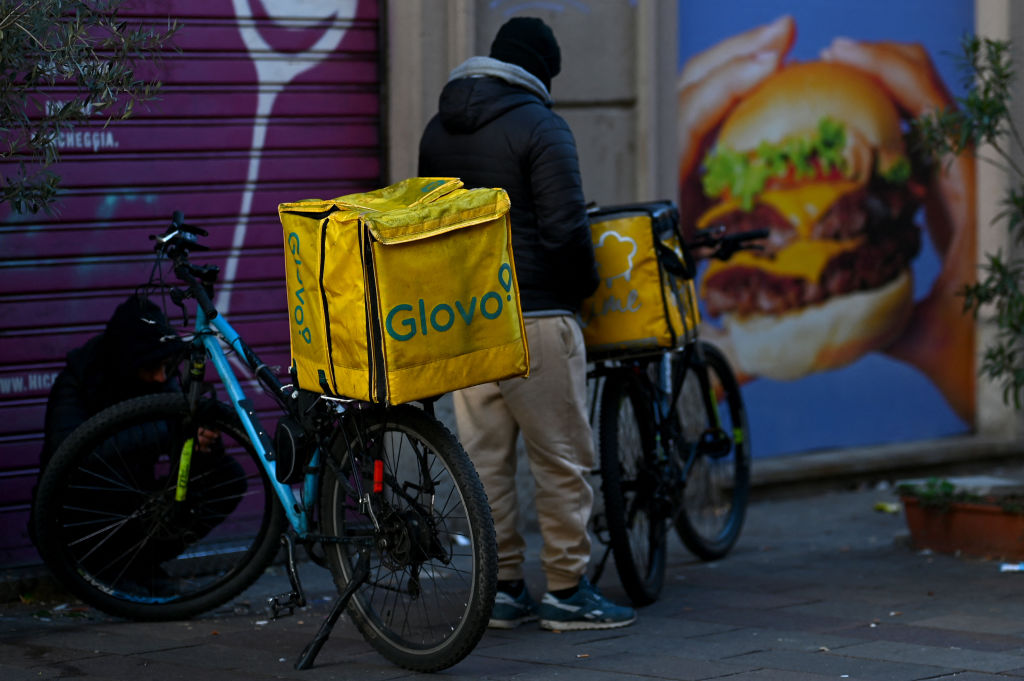
Glovo, the renowned Spanish delivery service now under the umbrella of Germany’s Delivery Hero, is making headlines with a significant shift in its operations, particularly regarding labor rights in Spain. Facing mounting pressures, the company has announced a groundbreaking decision to bring approximately 15,000 riders onto its payroll, transitioning them from their current status as self-employed individuals. Notably, this move is expected to impact Glovo’s earnings, as they anticipate a financial hit of €100 million, according to a Reuters report.
This decision comes in the wake of a pivotal 2021 Spanish labor reform that established the employment rights of gig economy riders, requiring companies like Glovo to recognize them as employees. Despite the reform, Glovo had previously navigated these regulations by classifying most riders as independent contractors, particularly through subcontractors. However, the company is now signaling a departure from these practices, citing the desire to “avoid further legal uncertainties.”
The path to this decision has not been without challenges. Glovo has faced numerous fines for labor violations prior to the enforcement of the 2021 Riders Law, and its CEO and co-founder, Oscar Pierre, is currently facing legal proceedings for alleged infringements of this legislation. Moreover, Glovo is embroiled in a competition lawsuit with rival Just Eat, which is claiming €295 million in damages.
The shift in Glovo’s stance has caught the attention of Spanish labor circles, with Spanish labor minister Yolanda Díaz commenting on the company’s change of direction. She noted in a recent social media post that companies like Glovo were not accustomed to being challenged and thought they could operate beyond legal boundaries.
This development could signal a new era for gig economy companies in Spain, as Glovo’s decisions may set precedents for how delivery platforms and similar businesses navigate labor laws and employee relations in the future.