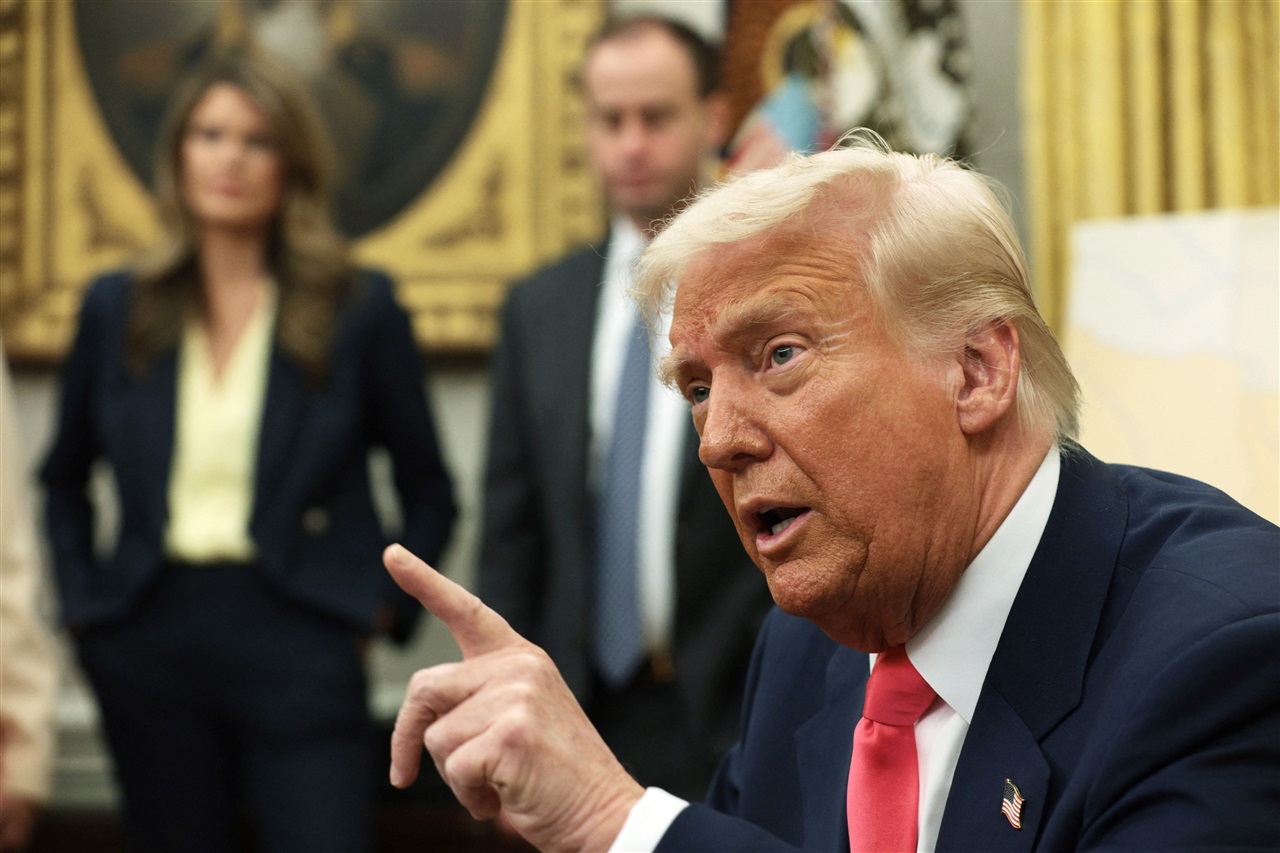
As the clock ticks down to the looming April 2 deadline, the world holds its breath in anticipation of the implications of President Donald Trump’s so-called “reciprocal tariffs.” The global market landscape is tense, with businesses and investors alike speculating on the potential ripple effects. Will Trump stand firm on his aggressive trade policies, or will we see a surprise shift in his approach?
These tariffs have sparked spirited debates across diplomatic circles and financial sectors worldwide, each side weighing the possible consequences. The anticipation has not only stirred emotions but also sent ripples across stock markets as companies prepare to navigate the uncertain terrain ahead.
The core of the upcoming economic shakeup lies in the balance between domestic protection and international trade partnerships. Various sectors brace for impact, unsure how these tariffs will redefine competitive dynamics and cross-border collaborations. With just days to go, stakeholders remain vigilant, analyzing every signal from Washington that might hint at the administration’s final decision.
As the deadline approaches, the world watches and waits, the atmosphere thick with both anxiety and anticipation. The outcome of this deadline could determine the future direction of global trade policies, impacting economies far beyond U.S. borders. Businesses, investors, and governments are all holding their collective breath as they prepare for what could be a pivotal moment in international trade relations.