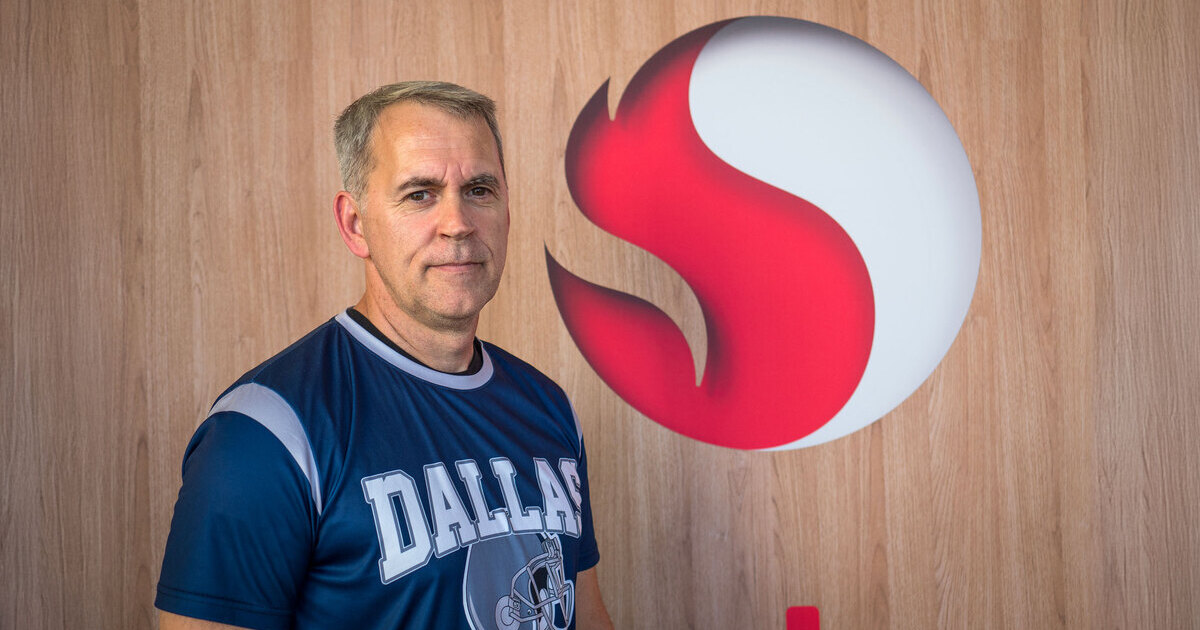
Qualcomm’s $1.4 billion NUVIA acquisition once looked like a high-stakes gamble, but it’s increasingly being seen as a turning point that pushed the company much closer to Apple-level performance in mobile and laptop-class silicon. A major reason for that momentum was Gerard Williams III, NUVIA’s founder and a well-known CPU architect whose work helped make Qualcomm’s Snapdragon 8 Elite Gen 5 possible, powered by third-generation Oryon CPU cores.
Now, Williams has confirmed he’s leaving Qualcomm after four years.
His timing comes as Qualcomm is rumored to be preparing its first 2nm system-on-chips, widely expected to be called the Snapdragon 8 Elite Gen 6 and Snapdragon 8 Elite Gen 6 Pro. Those chips are anticipated to introduce fourth-generation custom CPU designs, continuing the Oryon roadmap that began with the NUVIA team’s engineering approach. While the company is expected to keep pushing forward with custom CPU development, Williams’ exit naturally raises questions about how Qualcomm will maintain the same pace of innovation without one of the most recognized architects behind the effort.
Williams shared the news in a LinkedIn post, keeping the message simple and personal. He said he’s shifting focus toward family time and taking a breather after years of demanding work across major tech companies. He also thanked colleagues from both Qualcomm and NUVIA, and described his “next chapter” as starting with everyday life goals—like painting his house and tackling a long to-do list.
Even without a detailed explanation of why he chose to depart now, the post suggests a deliberate step back rather than a move to a competing role. Given his career history and the intensity of high-performance CPU design, it’s easy to see why he might want a reset.
Williams’ résumé is unusually deep in modern processor design. Prior to Qualcomm, he built an impressive track record at Apple, where he was lead architect for multiple generations of custom chips, spanning from the A12X through the A17 era. Before that, he spent 12 years at Arm and played a key role in advancing widely used CPU architectures such as Cortex-A8 and Cortex-A15. He’s also credited as an inventor on more than 60 Apple patents related to power management and multi-core technology—two of the most critical areas for today’s performance-per-watt competition.
As for what happens next at Qualcomm, it’s too early to say whether his departure will slow progress. It’s also entirely possible that Williams spent the last several years building a strong bench of leaders and engineers capable of carrying the custom CPU program forward. Large chip roadmaps are long-term efforts, and major companies typically plan for continuity, especially when a core technology like CPU design is involved.
One thing that’s hard to ignore is that the NUVIA acquisition likely put Williams in a position where he didn’t need to keep grinding at the same pace indefinitely. With the financial upside of that deal and a career already packed with high-impact accomplishments, stepping away now may simply reflect a personal decision to prioritize life outside the industry—at least for a while.