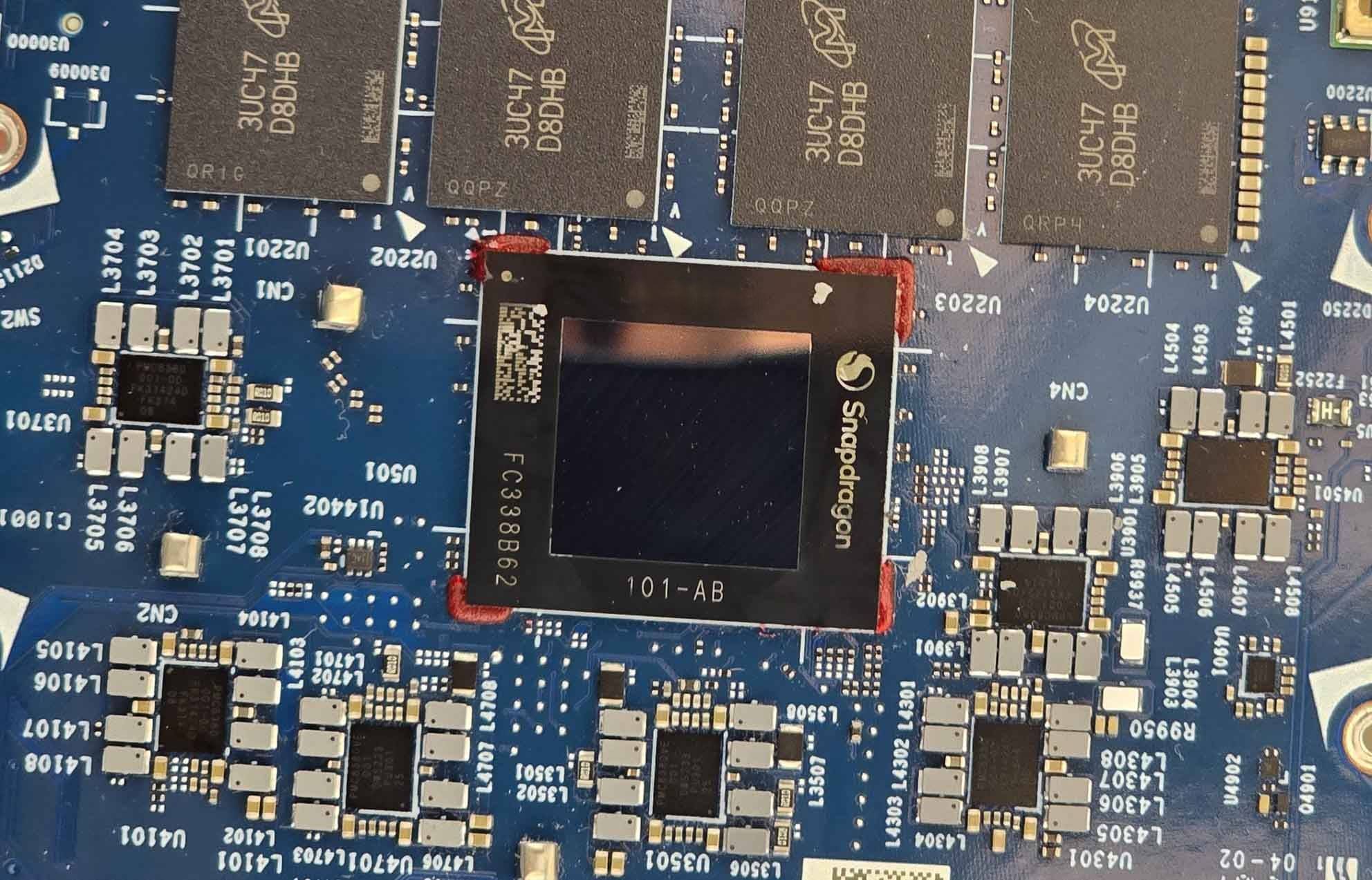
Qualcomm has unveiled its groundbreaking chipsets, the Snapdragon X Elite and Snapdragon X Plus, which showcase the company’s bespoke Oryon cores. These cores mark Qualcomm’s entry into designing processors with minimal outside technology influence, distancing themselves from the reliance on other industry standard technologies, much like Apple’s approach with their own silicon. However, this has sparked a contentious debate with ARM, a British chip designer, leading to a courtroom showdown in Delaware over the use of ARM’s proprietary technology.
During the proceedings, Gerard Williams, an ex-Apple engineer and founder of Nuvia, was at the center of attention. Nuvia, acquired by Qualcomm in 2021, is credited with leading the development of these cores. When pressed by lawyers, Williams asserted that less than one percent of the technology in Qualcomm’s new custom cores could be attributed to ARM’s intellectual property.
The acquisition of Nuvia, for a hefty $1.4 billion, was Qualcomm’s strategic move to enhance its chip development capabilities and directly compete with industry giants like Apple in the realm of high-performance computing. This was also seen as a significant step for Qualcomm’s ambition to penetrate the notebook market, dominated by Intel and AMD.
However, ARM has taken issue with Qualcomm over this acquisition and the use of its technology. They sought a renegotiation of the terms of the licensing agreement, a proposal Qualcomm dismissed, arguing that the existing Architecture License Agreement covered the usage by its subsidiary, Nuvia. This disagreement has evolved into a legal battle, with ARM demanding the scrapping of all existing Nuvia designs due to a purported breach of contract.
The financial stakes are high, with disclosures indicating that Qualcomm pays approximately $300 million annually as part of its licensing dues to ARM. Yet, reports surfaced in the trial that $50 million in annual revenue seemed to evaporate post the Nuvia purchase.
As the trial unfolds, with a jury’s conclusion expected imminently, there is speculation that Qualcomm CEO Christiano Amon could be called to testify. The outcome of this legal dispute might significantly impact both companies and the broader semiconductor landscape. The tech world keenly awaits the decision, as it could set a precedent for future technology development and licensing practices.