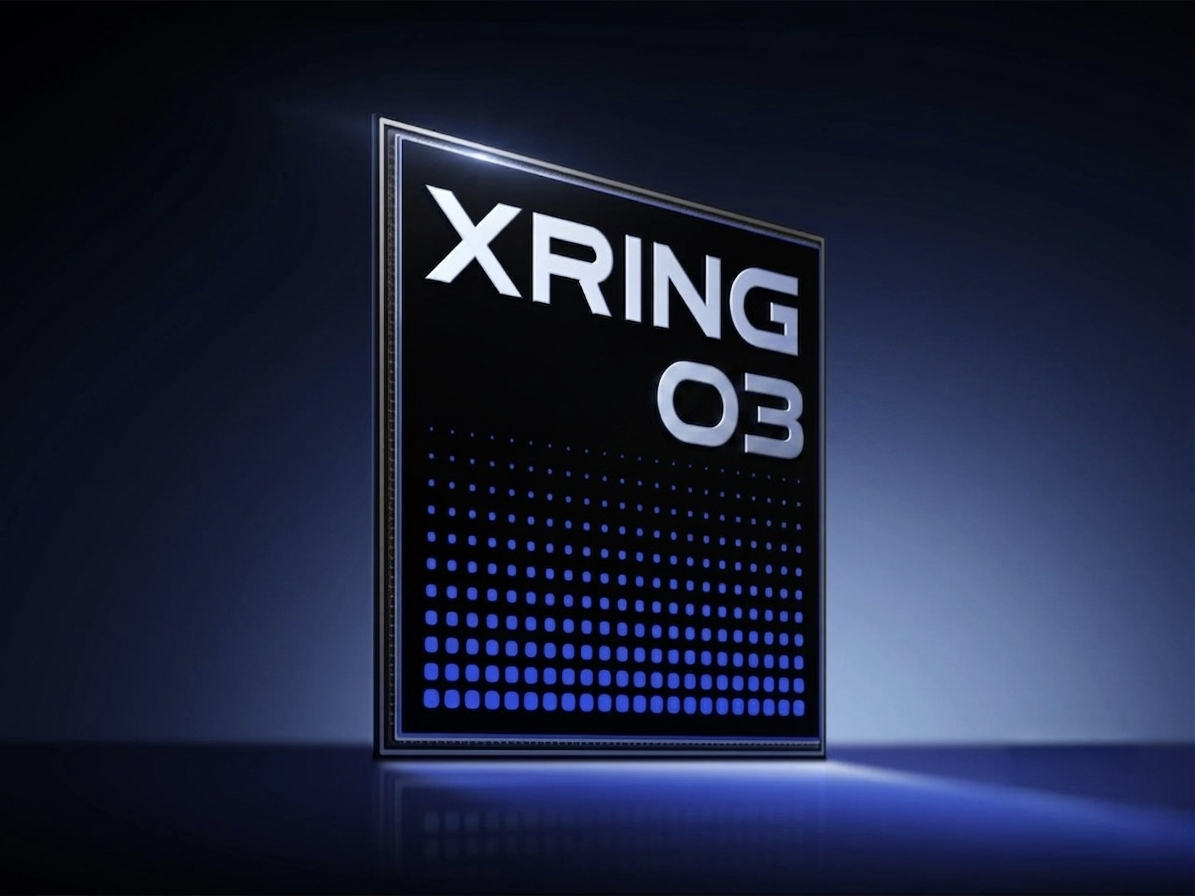
Xiaomi’s Next XRing O3 and MediaTek’s Dimensity 9600 Pro May Feature New Arm GPUs
A newly spotted Vulkan GPU whitelist inside Genshin Impact’s game files may have revealed early clues about several upcoming mobile chipsets, including Xiaomi’s rumored XRing O3 and MediaTek’s expected Dimensity 9600 Pro. The file appears to list supported GPUs for Genshin Impact’s Vulkan API, and while many entries match existing hardware, a few names point to graphics processors that have not been officially announced.
These types of whitelist files are especially interesting because game developers often prepare support for new hardware before devices reach consumers. To make sure games run properly on upcoming phones, developers may receive hardware details or driver information months ahead of launch. That makes this discovery a potentially important early look at the next generation of Android flagship gaming performance.
Most of the roughly 30 GPU entries in the Genshin Impact version 7.0 file correspond to known or previously leaked hardware. For example, the Adreno 829 is believed to be linked to the Snapdragon 8 Gen 5. The Mali-G1-Ultra MC12 and MC11 entries match the Dimensity 9500 and Dimensity 9500m. Samsung’s Exynos 2600 also appears to be represented through the Xclipse 960 GPU.
The file also includes Adreno 845 and Adreno 850 entries, which are expected to correspond to Qualcomm’s upcoming Snapdragon 8 Elite Gen 6 and Snapdragon 8 Elite Extreme Gen 6 Pro. These chips have already appeared in earlier leaks and are expected to be part of Qualcomm’s next major flagship processor lineup.
However, the most intriguing entries are two Arm Mali GPU configurations that do not match any officially known product: Mali-G2-Ultra-NX MC12 and Mali-G2-Ultra-NX MC16.
The naming suggests a possible successor to Arm’s current Mali-G1-Ultra branding, which is used for high-end mobile GPUs. If accurate, the Mali-G2-Ultra-NX could represent a new graphics architecture designed for next-generation flagship smartphones.
The Mali-G2-Ultra-NX MC12 variant is rumored to be connected to the MediaTek Dimensity 9600 Pro. Since it keeps the same MC12 core count as the GPU configuration associated with the Dimensity 9500, the upgrade may focus more on architectural improvements rather than simply adding more GPU cores. That could mean better performance per core, improved efficiency, stronger gaming stability, and enhanced Vulkan API support.
The Mali-G2-Ultra-NX MC16 entry is even more interesting because it may point to Xiaomi’s rumored XRing O3 chipset. Xiaomi previously used a large GPU configuration in the XRing O1, which featured an Immortalis-G925 MC16 setup. Because of that history, a new MC16-class GPU for the XRing O3 would make sense and could signal that Xiaomi is aiming for serious flagship gaming performance.
If this information proves accurate, the Xiaomi XRing O3 could potentially ship with newer Arm GPU technology than the Dimensity 9600 Pro. That would make the comparison between the two chipsets especially compelling, as they may arrive around the same time but rely on different manufacturing processes.
Current rumors suggest the Dimensity 9600 Pro could be built on TSMC’s N2P process, while Xiaomi’s XRing O3 may use TSMC’s N3P node. If Xiaomi pairs an older process node with a larger or newer GPU design, while MediaTek relies on a more advanced node with a smaller configuration, the battle between efficiency and raw graphics power could become one of the most interesting stories in the next flagship Android generation.
Another mysterious GPU name also appears in the file: Mali-TMAX-Immortalis MC16. Arm’s Immortalis brand is typically used for its premium GPUs with hardware-based ray tracing support, but the “TMAX” label has not appeared in previous public Arm materials or major leaks. It remains unclear whether TMAX is a separate product tier, an internal codename, or a temporary label used before final branding.
For mobile gamers, these findings could be significant. Genshin Impact remains one of the most demanding games on Android, and Vulkan support can play a major role in smoother frame rates, improved rendering, and better overall performance. If these GPUs are already appearing in compatibility files, it suggests that optimization work for future flagship devices may already be underway.
Still, this information should be treated with caution. A game whitelist is not the same as an official chipset announcement. GPU names, configurations, and final specifications can change before retail devices launch. Some entries may also reflect development hardware, internal testing labels, or placeholders that never appear in commercial phones.
Even so, the discovery adds fuel to growing excitement around the next wave of flagship Android processors. The Dimensity 9600 Pro may bring a refined Arm GPU upgrade, while Xiaomi’s XRing O3 could become a more ambitious in-house chipset with a powerful MC16 graphics configuration. If both chips arrive as expected, 2026 flagship smartphones could deliver a major leap in mobile gaming performance, ray tracing capability, and Vulkan-optimized graphics.


