Samsung Galaxy Z Fold8 Ultra Durability Test Shows Foldables Still Need Extra Care
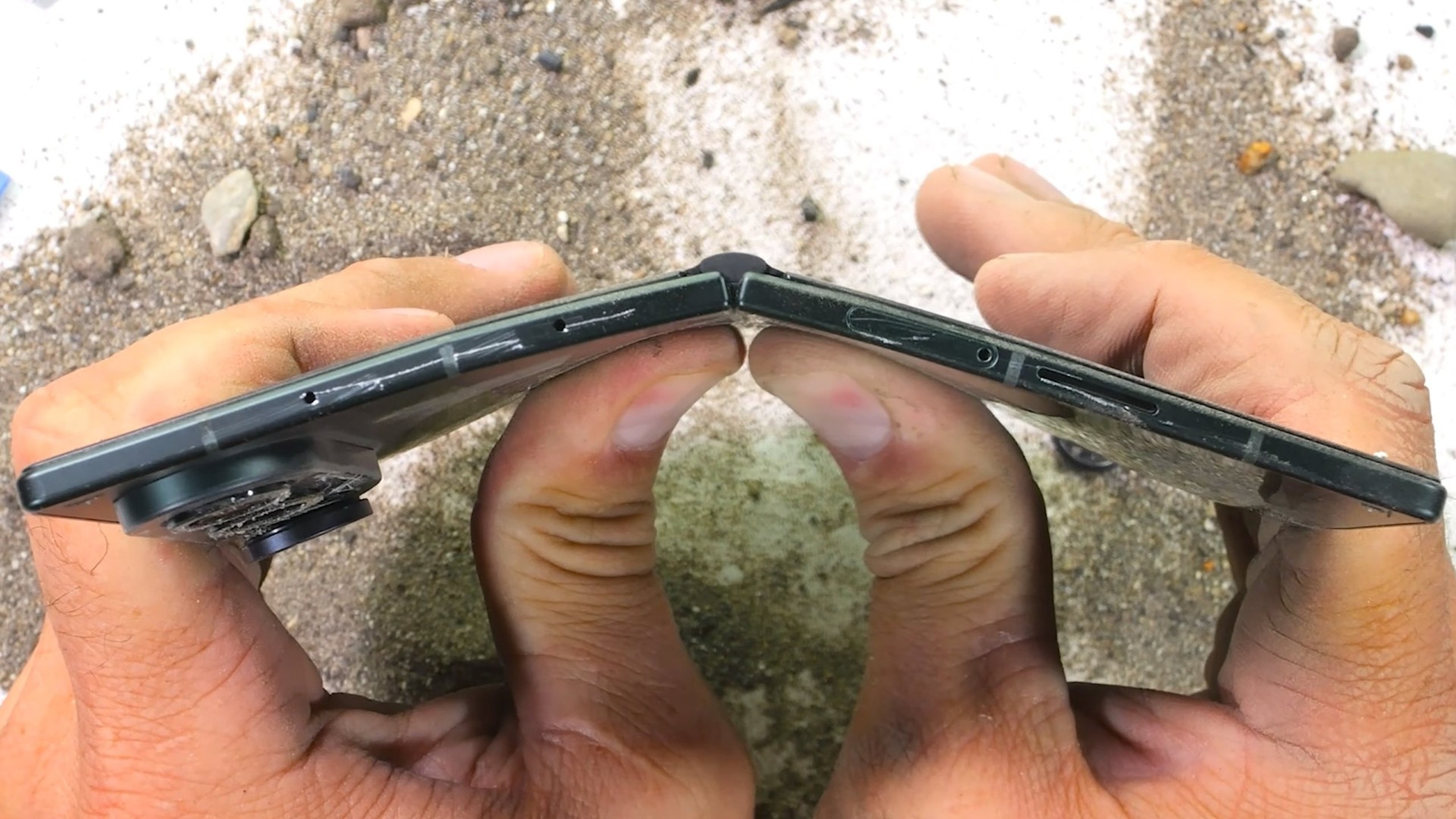
The Samsung Galaxy Z Fold8 Ultra has gone through a tough durability test, and the results are a reminder that even premium foldable phones remain more delicate than traditional smartphones. While Samsung’s latest ultra-thin foldable appears stronger than some rival foldables, its flexible inner screen still proved vulnerable under extreme pressure.
During the bend test, the device did not snap easily, which is a positive sign for Samsung’s foldable engineering. However, after a second bending attempt, the titanium-reinforced AMOLED folding display stopped working and remained permanently black. That kind of damage could be expensive to repair, especially because the inner foldable screen is one of the most costly components of the device.
The test highlights an important point for anyone considering a Samsung Galaxy Z Fold8 Ultra: foldable phones are impressive, powerful, and futuristic, but they still require more careful handling than standard slab-style smartphones. Accidental pressure on the open display, sharp objects, or dirt entering the hinge can all create potential problems.
One example raised during the test was a heavy person accidentally sitting on the phone while it is unfolded on a couch. While that situation may sound unusual, it shows how exposed the large inner display can be when the phone is open. Unlike a normal smartphone screen, the foldable panel relies on a softer protective layer to allow bending, which makes it more sensitive to pressure and scratches.
Dust and sand are also major concerns for foldable smartphones. Even models with strong water and dust resistance ratings can still face hinge issues if tiny particles work their way inside over time. The Galaxy Z Fold8 Ultra comes with an IP48 rating, meaning it has limited dust protection compared with devices that offer stronger resistance. This makes it especially important to keep the phone away from beaches, dusty pockets, and gritty surfaces.
The inner display also needs protection from fingernails, keys, and other sharp items. Because the foldable AMOLED screen uses a plastic-based top layer, it can be marked more easily than the hardened glass found on regular phones. Users should avoid pressing too hard on the screen, especially near the crease or edges.
On the brighter side, the external cover display is much tougher. It uses Corning Gorilla Glass Ceramic 3, offering strong scratch resistance for everyday use. That means the outer screen should handle normal contact with bags, pockets, and surfaces better than the delicate folding display inside.
A teardown of the Galaxy Z Fold8 Ultra also revealed that its hinge components are modular, but they are not interchangeable with those in the wider Galaxy Z Fold8. Even though the parts may look similar, the internal design differs enough that repairs would likely require model-specific components.
Overall, the Samsung Galaxy Z Fold8 Ultra shows meaningful progress in foldable phone durability, but it also proves that the category still has limitations. The device can survive demanding stress better than some competitors, yet the inner screen remains the weak point. For buyers interested in the Galaxy Z Fold8 Ultra, the takeaway is simple: enjoy the large folding display, premium build, and cutting-edge design, but treat it with care.
Foldable smartphones are getting stronger every year, but they are not yet as worry-free as traditional phones. Keeping the hinge clean, avoiding sharp pressure on the inner screen, and being mindful when the device is unfolded can go a long way toward preventing costly damage.