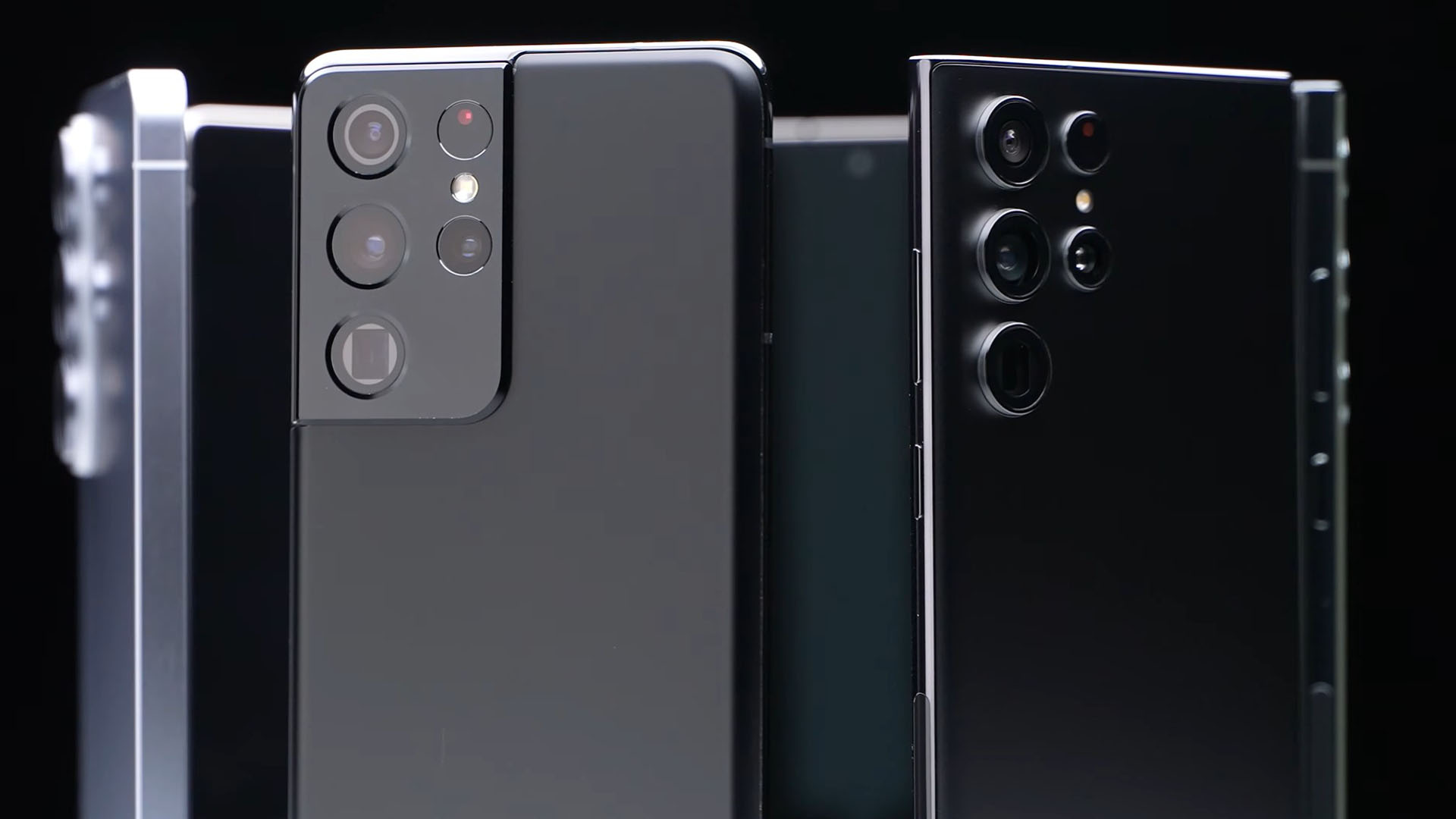
Galaxy S26 Ultra speed test shows how far Samsung’s flagship phones have come
Every new Samsung Galaxy S Ultra launch brings the promise of faster performance, upgraded silicon, improved cooling, and better software optimization. But spec sheets only tell part of the story. The real question is simple: how much faster does a new flagship feel when compared with the Galaxy S Ultra phones from previous years?
A detailed speed test comparing the Galaxy S26 Ultra against five older Galaxy S Ultra models gives a clear look at Samsung’s year-over-year progress. The comparison includes the Galaxy S21 Ultra, Galaxy S22 Ultra, Galaxy S23 Ultra, Galaxy S24 Ultra, Galaxy S25 Ultra, and the latest Galaxy S26 Ultra.
The result is not surprising: the Galaxy S26 Ultra comes out on top. However, the size of its lead depends heavily on the type of workload being tested.
Across everyday tasks, the newer Galaxy S Ultra models remain fairly close. The Galaxy S24 Ultra, Galaxy S25 Ultra, and Galaxy S26 Ultra all deliver extremely fast performance, and the difference between them can sometimes come down to only a few seconds. For most users, that gap may not feel dramatic during normal app launches, multitasking, or quick edits.
Where the Galaxy S26 Ultra starts to separate itself is in more demanding workloads. Tasks involving AI processing, graphics-heavy operations, and sustained performance benefit from the newer Snapdragon 8 Elite Gen 5 chipset. Even though Samsung has kept most Galaxy S Ultra models at 12GB of RAM, the improved processor, stronger GPU, upgraded NPU, and better thermal tuning help the Galaxy S26 Ultra finish intensive jobs faster.
The older models show their age more clearly. The Galaxy S21 Ultra and Galaxy S22 Ultra are still capable phones, but their older chipsets and cooling systems appear to limit performance in heavier tests. The Galaxy S23 Ultra also trails behind the newer models, and in this comparison, its 8GB RAM configuration places it at a disadvantage against the 12GB versions.
Here are the total completion times from the speed test:
Galaxy S21 Ultra with Snapdragon 888 and 12GB RAM: 6 minutes and 53 seconds
Galaxy S22 Ultra with Snapdragon 8 Gen 1 and 12GB RAM: 6 minutes and 56 seconds
Galaxy S23 Ultra with Snapdragon 8 Gen 3 and 8GB RAM: 6 minutes and 28 seconds
Galaxy S24 Ultra with Snapdragon 8 Gen 3 and 12GB RAM: 5 minutes and 1 second
Galaxy S25 Ultra with Snapdragon 8 Elite and 12GB RAM: 4 minutes and 52 seconds
Galaxy S26 Ultra with Snapdragon 8 Elite Gen 5 and 12GB RAM: 4 minutes and 42 seconds
The Galaxy S26 Ultra beats the Galaxy S25 Ultra by around 10 seconds, which may not sound huge at first. Still, in a flagship speed test where every device is already extremely powerful, even a 10-second advantage is meaningful. It shows that Samsung’s latest model is not just faster on paper, but also more efficient when handling complex tasks.
The most interesting takeaway is how much Samsung’s performance has improved since the Galaxy S21 Ultra and Galaxy S22 Ultra era. Compared with those older flagships, the Galaxy S26 Ultra cuts more than two minutes off the total test time. That is a major difference for users who edit media, run demanding apps, play high-end mobile games, or rely on AI-powered tools.
For buyers deciding whether to upgrade, the answer depends on the phone they currently own. If you have a Galaxy S24 Ultra or Galaxy S25 Ultra, the Galaxy S26 Ultra is faster, but the upgrade may feel incremental in daily use. If you are coming from a Galaxy S21 Ultra, Galaxy S22 Ultra, or even some Galaxy S23 Ultra configurations, the performance jump is much easier to notice.
The test also raises expectations for Samsung’s next flagship. If the future Galaxy S27 Ultra arrives with an even newer Snapdragon chip and possibly 16GB of RAM, Samsung could deliver a much larger performance leap, especially for AI features and professional-level mobile workloads.
For now, the Galaxy S26 Ultra stands as the fastest Galaxy S Ultra in this comparison. It may not completely redefine smartphone speed, but it proves that Samsung’s latest flagship continues to push ahead where it matters most: sustained power, AI performance, and real-world responsiveness.