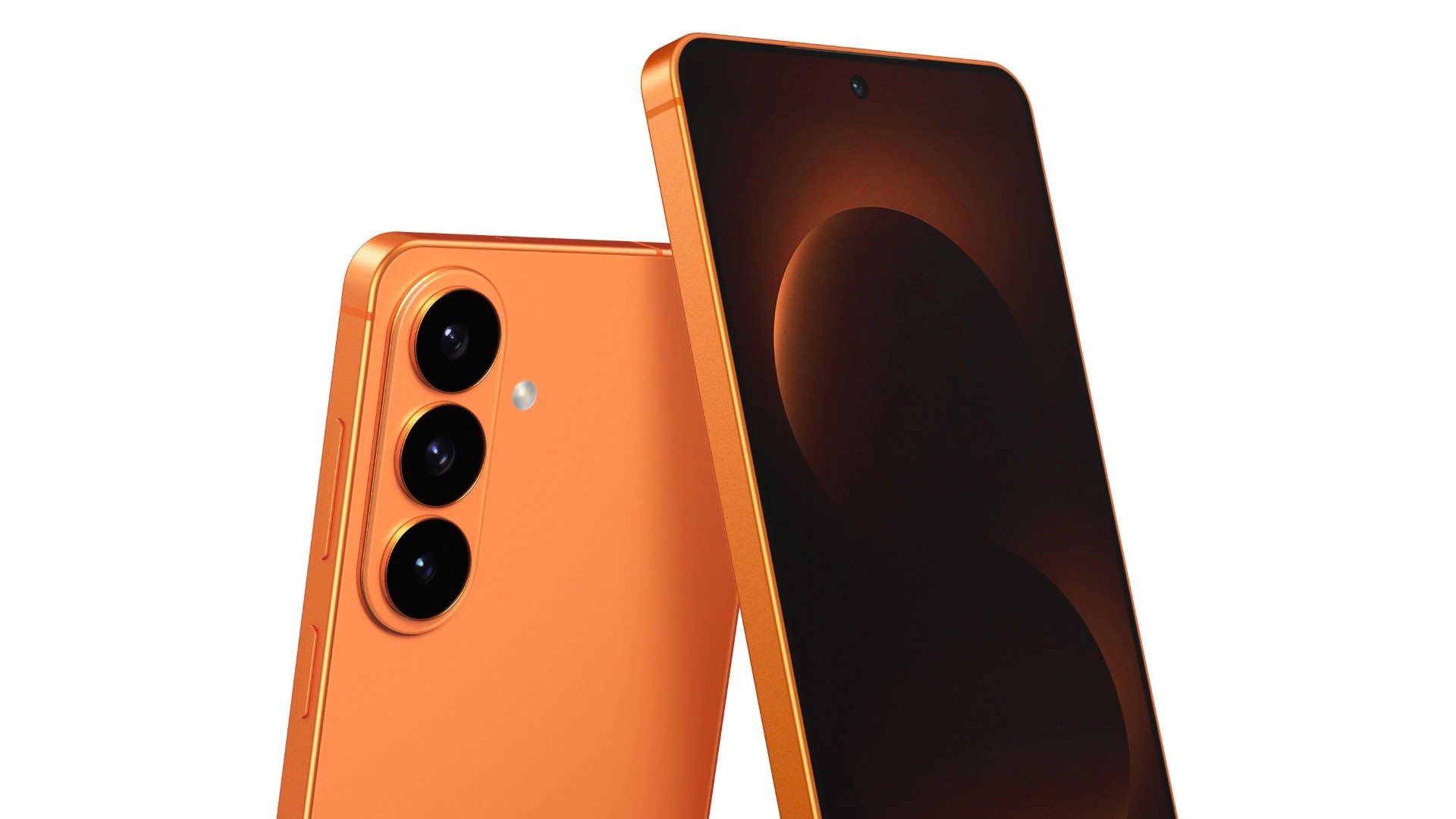
Galaxy S26 leak recap: Samsung’s first 2nm Exynos aims for modest gains, big savings, and a familiar split between regions
Samsung is gearing up for a major milestone with the Exynos 2600, expected to be the company’s first 2nm chip and likely to debut in the Galaxy S26 lineup. Early guidance from the company points to a measured step forward rather than a revolution: roughly a 5% performance uptick, an 8% efficiency improvement, and a 5% reduction in die size compared to its second-generation 3nm technology. On paper, those numbers look conservative, but they could still matter in day-to-day use and, importantly, on the business side.
Regional strategy appears unchanged. The European variants of the Galaxy S26 and S26+ are once again expected to use an Exynos processor, while the top-tier model—the successor to the Galaxy S25 Ultra—is reportedly set to run the Snapdragon 8 Elite Gen 5 globally. That split has long frustrated fans in markets that receive Exynos-powered flagships, as past generations often trailed Snapdragon models in sustained performance and efficiency.
Even so, Samsung’s foundry progress is notable. The company has begun publicly discussing its 2nm gate-all-around (GAA) process, saying yields for the Exynos 2600 have reached about 60%, which exceeds the commonly cited threshold for mass production viability. Those efficiencies are already translating into wins: insiders say the 2nm platform has secured roughly a quarter of the Galaxy S26 series chip orders and landed a separate, high-value contract worth more than $16.5 billion to manufacture AI6 chips for an external client.
Cost is another major lever. Industry chatter suggests Samsung’s Mobile eXperience division could save approximately $20 to $30 per Galaxy S26 unit by opting for the Exynos 2600 instead of the Snapdragon 8 Elite Gen 5 in certain regions. That kind of margin improvement is difficult to ignore, especially if real-world performance narrows the gap enough to satisfy most users.
Still, skepticism lingers. Despite encouraging leaked benchmarks, some observers worry that everyday performance could once again lag rivals. One reason floated is Samsung’s reliance on standard Arm core designs rather than deeper in-house customizations, while competitors like Qualcomm and Apple continue pushing custom architectures with tighter optimization across the stack. If history repeats, European buyers could see slightly weaker sustained performance and power efficiency than Snapdragon-based models, even if the gap is smaller than in past years.
What it means for buyers:
– If you’re in Europe, expect the Galaxy S26 and S26+ to feature the Exynos 2600. The gains may be modest, but the efficiency improvements could still help with battery life and thermals.
– If you’re eyeing the top model, the next Ultra is expected to run Snapdragon 8 Elite Gen 5 worldwide, likely maintaining an edge in performance and optimization.
– Pricing strategy might benefit from Samsung’s cost savings, though it remains to be seen whether those savings will be passed on to consumers or reinvested elsewhere in the device.
Bottom line: Samsung’s 2nm debut is shaping up as a cautious but meaningful step. The Exynos 2600’s performance and efficiency claims are modest, but higher yields, significant manufacturing wins, and per-unit cost savings suggest the chip could be more competitive—and more strategic—than its predecessors. The real test will be everyday performance once the Galaxy S26 family arrives in 2026.