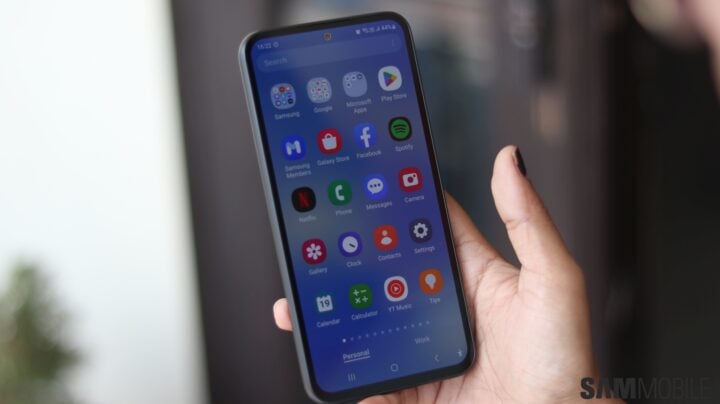
The anticipated addition to Samsung’s premium mid-range lineup, the Galaxy A55, is set to be unveiled on March 11. The new smartphone is expected to introduce notable hardware improvements that could appeal to many users.
With a design upgrade to a metallic frame compared to the Galaxy A54’s plastic one, the Galaxy A55 aims to enhance the premium feel for users. The Galaxy A54’s introduction of a glass back was a significant step for the line, and this new metal frame promises to elevate the A55’s aesthetic and tactile appeal.
Internally, the Galaxy A55 is slated to sport the Exynos 1480 processor, Samsung’s first mid-range chipset with a GPU employing AMD’s RDNA graphics architecture. This could result in a more engaging gaming experience and smoother interface operations, showcasing Samsung’s commitment to competitive in-house chip development.
Other potential features to look forward to include an improved and brighter display with more robust Gorilla Glass protection and enhanced RAM capabilities, reaching up to 12GB – a notable increase from the previous 8GB cap in existing mid-range models. Although some specifications may remain unchanged from its predecessor, the A55’s hardware package appears to be comprehensive.
Software Capabilities May Not Match Hardware Upgrades
On the software front, the Galaxy A55 may not fully deliver on user expectations. While the device is expected to launch with Android 14 and the new One UI 6.1, mirroring the Galaxy S24 lineup, it might offer an experience more akin to One UI 6.0. This disparity is due to the absence of the Galaxy S24’s advanced AI-driven features according to official teasers.
One UI 6.1’s allure diminishes without its AI enhancements. Furthermore, functionalities like wallpaper integration for the Always On Display might not be available on the A55. This feature, alongside others that harness AI technology, demands efficient display technology that appears to be reserved for Samsung’s flagship offerings, such as the Galaxy S24 series.
Software support policies for the Galaxy A55 will follow Samsung’s existing framework, promising four years of OS updates and five years of security updates, unlike the extended seven-year update policy exclusive to the Galaxy S24 and its variants for the time being.
While Samsung might receive critique for these choices, they are understandable considering the technical limitations of the A55’s chipset and Samsung’s product strategy in the mid-range market. The extended support offered to high-end models reflects both their technical capabilities and their role in Samsung’s portfolio.
Despite potential disappointments among Samsung aficionados seeking full-fledged One UI 6.1 features on a mid-range device, the A55 represents a step forward in design and hardware. Customers desiring the complete One UI 6.1 experience may need to either look towards the flagship models or hold onto hope for future software updates that could enrich the A55’s capabilities.