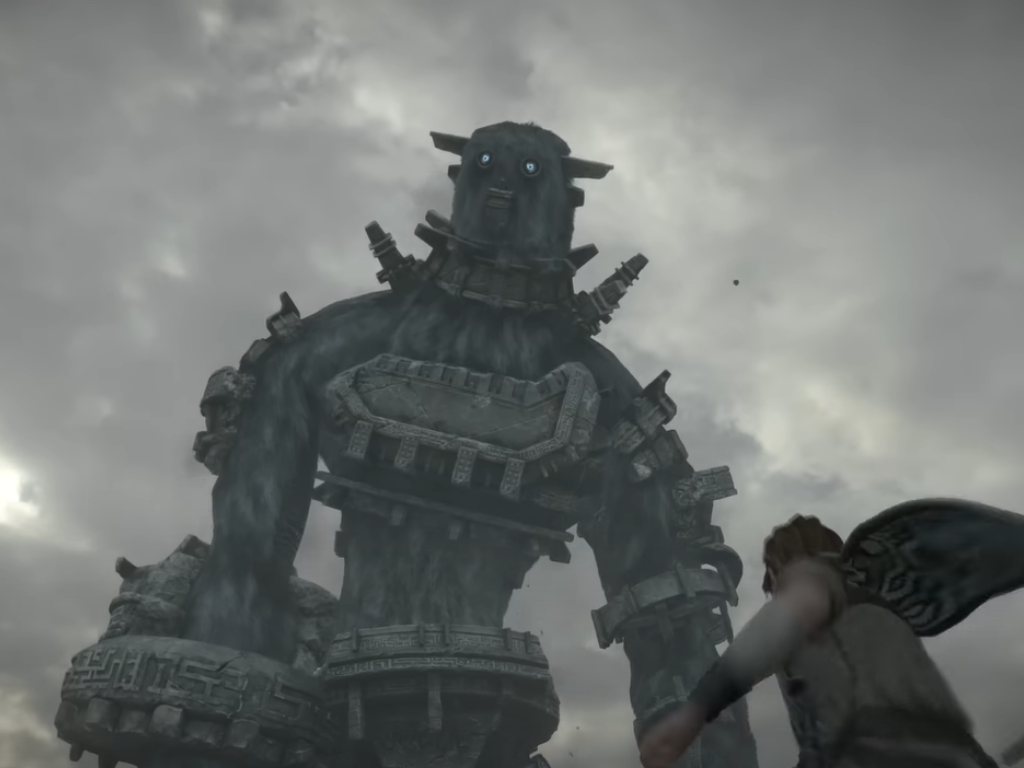
Fumito Ueda, the visionary Japanese game designer behind the iconic titles Shadow of the Colossus, Ico, and The Last Guardian, has shared his perspective on the evolution of game mechanics. Ueda suggests that the constant push for new game mechanics might be winding down. In a recent conversation with Katamari Damacy’s creator Keita Takahashi, Ueda remarked, “We’re no longer in an age that demands brand-new mechanics every time. New devices, new mechanics—maybe that era is over.”
Instead, Ueda advocates for a focus on refining and perfecting what already works, emphasizing the importance of aesthetics, art, and emotional impact. He believes that enhancing existing mechanics can often prove more effective than introducing new ones. “Even without original mechanics, you can hone the feel or the art… sharpening existing mechanics can be better,” Ueda explained.
This insight aligns with the current direction of the gaming industry, where polish and artistic expression are increasingly prioritized over novelty in mechanics. A prime example is Claire Obscur: Expedition 33, which captivates players with its classic yet refined turn-based RPG system combined with real-time dodging and parrying, brought to life through compelling storytelling and a distinctive art style.
Yet, there’s still room for innovation in mechanics, as seen in Hideo Kojima’s Death Stranding 2, which manages to blend creative game mechanics without limiting artistic freedom.
Ueda is currently developing “Project Robot,” a new venture announced at The Game Awards 2024. While details about the project remain scarce, it’s being crafted at Tokyo-based genDESIGN and published by Epic Games. Excitingly, “Project Robot” will be Ueda’s first release across Xbox, PlayStation, and PC platforms. As the gaming landscape continues to evolve, Ueda’s insights and upcoming projects remain ones to watch.


