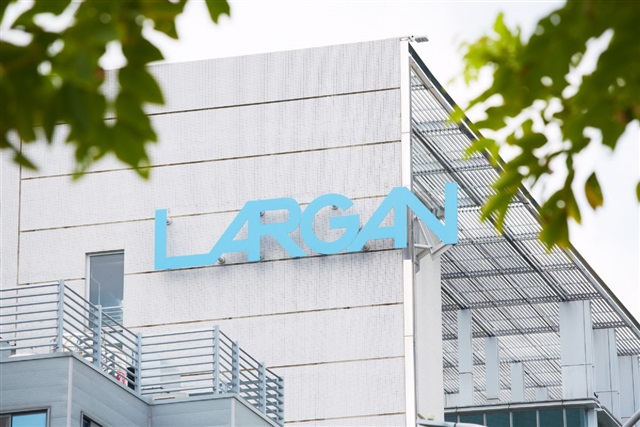
Largan Precision is signaling its next chapter in imaging with CEO Adam Lin sharing fresh insights on robotics and smartphone lenses during the company’s third-quarter online investor conference. The discussion points to a strategic focus on new optical frontiers, where breakthroughs in mobile photography and machine vision are increasingly intertwined.
Why this matters: Largan’s lens technology has long shaped the evolution of smartphone cameras. By spotlighting both robotics and mobile optics, the company is aligning with two fast-moving markets where performance, precision, and miniaturization define the competitive edge. The message is clear—optics are no longer just about taking better photos; they are central to how devices see, understand, and interact with the world.
In smartphones, the emphasis continues to be on clarity, low-light capability, and compact designs that don’t compromise performance. As premium devices push for sharper images and smoother video, the pressure is on lens makers to deliver thinner modules with greater stability and consistency across a range of lighting conditions. The investor conversation underscores that imaging remains a key battleground for smartphone innovation, and optics sit at the heart of it.
On the robotics side, high-quality lenses are just as crucial. From autonomous navigation to industrial automation, robots depend on robust, reliable vision systems. The needs here stretch beyond aesthetic image quality—durability, precise focusing, wide dynamic range, and accurate depth perception all matter. A strategic focus on robotics optics suggests growing attention to machine vision, sensing, and the kind of optical engineering that improves recognition, measurement, and safety in dynamic environments.
Taken together, these priorities reflect broader industry currents:
– The convergence of computational imaging and optics, where software and lens hardware evolve in tandem.
– Rising demand for miniaturized, high-performance lens systems that balance resolution, speed, and efficiency.
– An expanding role for optics in AI-driven applications, from smarter cameras to autonomous systems.
For customers and partners, this translates to an ecosystem where lenses are foundational to next-generation experiences—whether that’s capturing life in astonishing detail on a smartphone or enabling robots to perform with precision on the factory floor. For the broader market, it signals continued investment in optical R&D and platform-level innovation that can scale across devices and use cases.
The key takeaway from the conference is a forward-looking stance: smartphones and robots are pushing optical technology into new territories, and Largan is positioning its expertise to meet that demand. While specific timelines or product details were not disclosed, the focus on these two pillars points to continued momentum in areas where imaging excellence delivers tangible value.
What to watch next: advancements in compact lens architectures, improved stability and low-light performance for mobile devices, and rugged optical solutions tailored to machine vision. As these trends mature, expect the line between consumer imaging and industrial vision to blur further—driven by optics that are smarter, faster, and more versatile than ever.