A French retailer has started listing “defective” NVIDIA GeForce RTX 5090 graphics cards for sale, with prices starting at €1499. That’s roughly half the cost of a brand-new RTX 5090 from the same store, but there’s a major catch: these cards are sold as non-functional, and once you buy one, you can’t return it or get a refund.
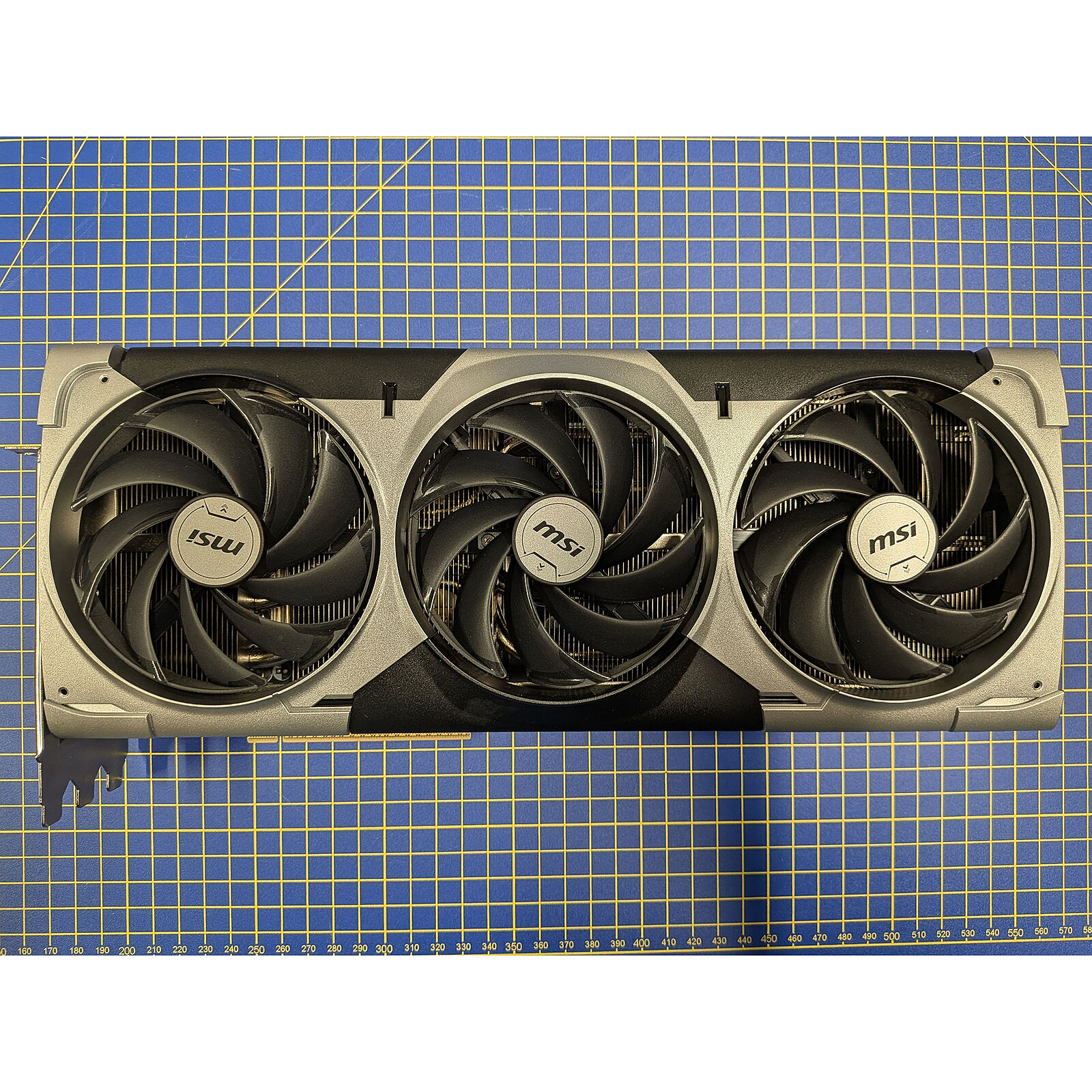
The listings currently include two models: an ASUS GeForce RTX 5090 TUF Gaming priced at €1499 and an MSI GeForce RTX 5090 Ventus 3X OC priced at €1699. For comparison, the retailer’s new RTX 5090 inventory reportedly starts around €3249, making these “for parts” units look like a tempting deal at first glance. But the pricing still raises eyebrows, especially when the defective cards are hovering around the kind of money many buyers might otherwise put toward a working, high-end GPU like an RTX 5080.
According to the retailer’s product notes, these RTX 5090 cards are being sold as non-functional due to physical damage typically linked to shipping issues from a previous customer delivery. The cards are described as not operational and unusable in their current condition. The damage is said to potentially include PCB breakage, impact damage, or deformation, but there aren’t detailed close-ups or precise breakdowns of what’s actually wrong with each unit—meaning buyers are largely taking a gamble on the severity and location of the damage.
One point the retailer emphasizes is that the graphics cards are “complete” and have not been disassembled. In other words, they should still contain all major components such as the GPU, memory, and related power delivery parts. The cards were reportedly tested and working before the shipping damage occurred, but the current state is still officially classified as non-functional.
The biggest red flag for most shoppers is the sales policy: no returns and no refunds. Since the non-working condition is disclosed upfront, the responsibility falls entirely on the buyer. That makes these RTX 5090 listings a poor fit for typical gamers or PC builders who just want a plug-and-play upgrade. Realistically, the only people who might benefit are repair professionals, experienced electronics technicians, or businesses that can salvage parts for component recovery or use the board as a donor for other repairs.
Even then, the value question is hard to ignore. Paying €1499–€1699 for a graphics card that may require advanced board-level repair—without clear visibility into the damage—can quickly turn into an expensive experiment. Unless you already have the skills, tools, and a strong reason to gamble on a repair, buying a known-dead flagship GPU at this price is a high-risk move.
Defective and donor GPUs do exist in other markets too, sometimes for far less, but that comes with its own risks. Some non-working cards may be missing key components like the GPU die or VRAM, and the broader used and “open box” market has also seen buyers run into scams or swapped hardware. The bottom line is the same: if a deal looks good, verify what you’re actually getting—because with non-functional hardware, the fine print matters more than ever.