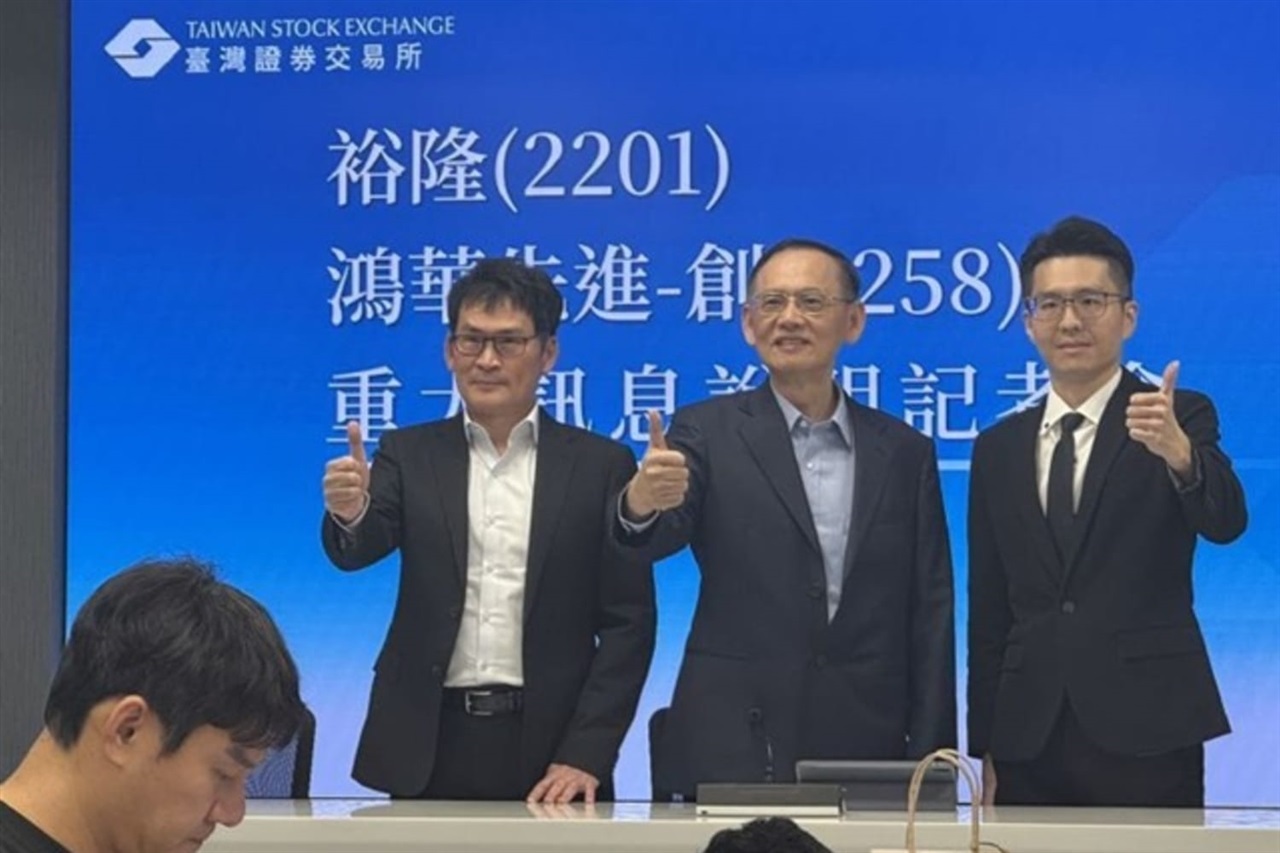
On the evening of December 19, Yulon Motor Co. and Foxtron Vehicle Technologies revealed a new strategic transaction designed to strengthen and unify Taiwan’s fast-growing electric vehicle industry. The move signals a clear intent from both companies to accelerate collaboration across EV development, manufacturing, and commercialization—while reinforcing Taiwan’s position in the global electric mobility supply chain.
Foxtron Vehicle Technologies, widely known as the electric vehicle arm connected to Foxconn’s broader ambitions in smart manufacturing, has been steadily expanding its footprint in the EV space. By teaming up with Yulon Motor Co., a long-established name in Taiwan’s automotive sector, the two companies are aiming to bring complementary strengths together: Yulon’s experience in vehicle operations and market presence, and Foxtron’s drive to scale EV technology and production capabilities.
The announcement frames the deal as more than a simple business exchange. It’s positioned as a step toward consolidating Taiwan’s EV ecosystem—an increasingly important topic as automakers and suppliers worldwide race to secure battery supply, software talent, and dependable manufacturing capacity. Consolidation can mean faster decision-making, tighter integration between design and production, and clearer pathways from prototypes to vehicles that can be produced at scale.
For readers tracking electric vehicle trends in Taiwan and Asia, this partnership is especially noteworthy because it reflects a bigger shift happening across the industry: EV success now depends as much on ecosystem strength—supply chains, platform sharing, and strategic alliances—as it does on individual vehicle models. When established automakers work directly with tech-driven EV builders, it can shorten development timelines and improve the ability to compete internationally.
While the full scope of the transaction details may evolve, the stated goal is straightforward: build a stronger, more connected electric vehicle framework in Taiwan. That kind of coordination can help local companies move faster in EV platform development, manufacturing readiness, and long-term competitiveness as global demand for electric cars continues to rise.
If you’d like, paste the rest of the post content (or the full article text) and I’ll rewrite it into a complete, search-optimized version that keeps the original meaning while making it more engaging and easier to read.