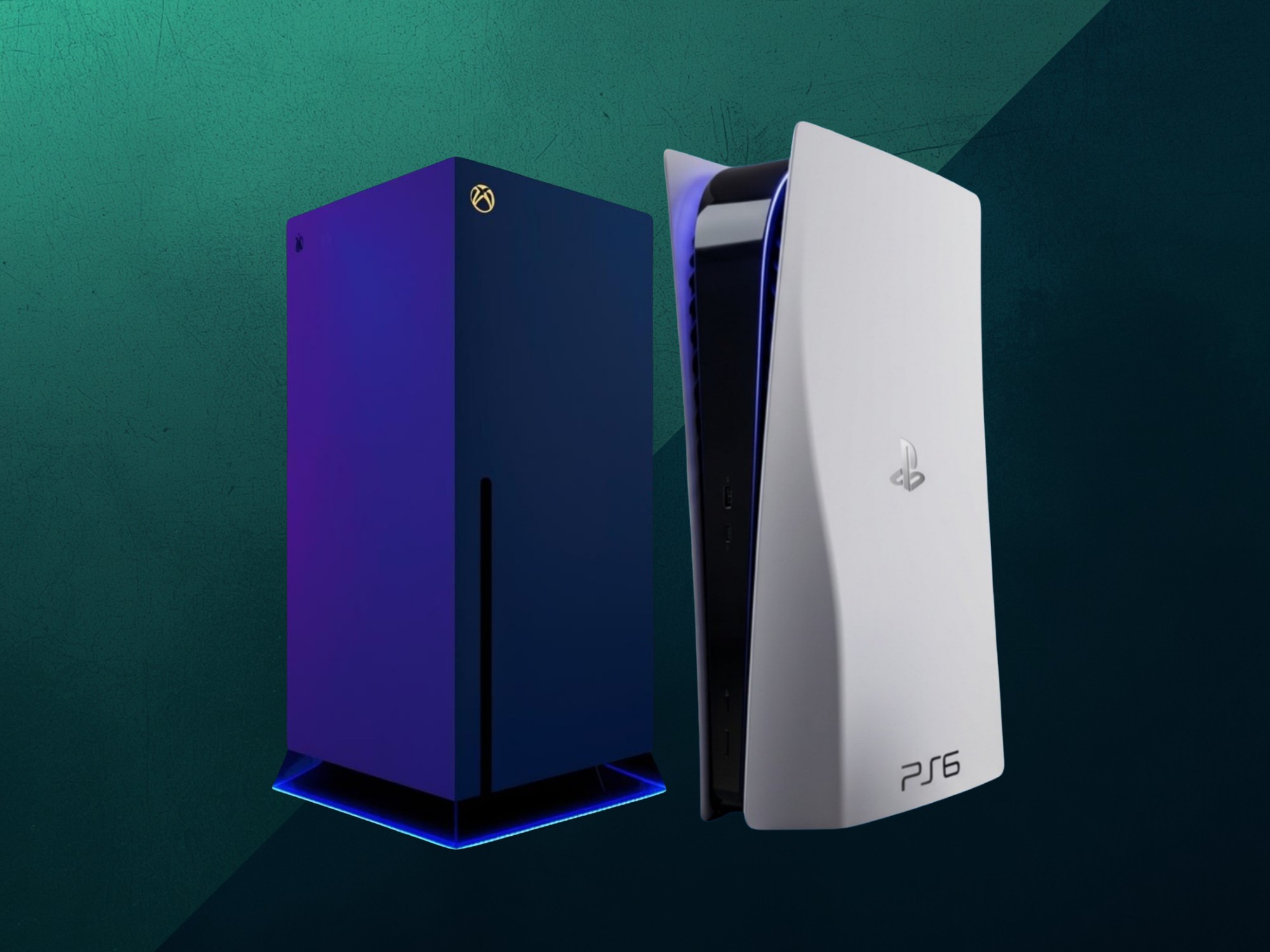
Former Naughty Dog Developer Hopes PS6 and Next Xbox Arrive Later Rather Than Sooner
As speculation grows around the PlayStation 6 and Microsoft’s next-generation Xbox, reportedly known as Project Helix, not everyone in the games industry is eager to rush into a new console cycle. A former Naughty Dog developer has argued that delaying the next wave of hardware could actually benefit game creators, players, and the industry as a whole.
The developer’s main concern is simple: every new console generation brings more than excitement. It also brings pressure. Studios often need to dedicate major resources to upgrading assets, adapting tools, improving visual pipelines, and meeting rising player expectations for graphics and performance. For large teams, that can mean more workload. For smaller teams, it can mean higher risk. And in an industry already dealing with layoffs and budget concerns, another hardware transition could add even more strain.
According to the former Naughty Dog developer, creative teams often do some of their best work when working within clear technical limits. Rather than constantly chasing more powerful hardware, developers can become more efficient, more focused, and more inventive when they understand the boundaries of a platform. In his view, limitations can push creators to make smarter design choices instead of relying only on raw processing power.
That perspective stands in contrast to the usual excitement surrounding new consoles. Traditionally, a new PlayStation or Xbox generation promises better graphics, faster loading, higher frame rates, more advanced physics, and larger game worlds. However, the jump from the current generation to the next may not feel as dramatic to many players as previous generational leaps once did.
The PlayStation 5 and Xbox Series X|S are still capable machines, and many developers are continuing to find ways to get more from them. With performance modes, faster SSDs, ray tracing features, and strong backward compatibility, current consoles still have room to deliver impressive games. For many players, the question is no longer simply “how powerful will the PS6 be?” but “will it be worth buying at launch?”
Price is another major factor. If the PS6 and next Xbox launch at significantly higher prices, consumers may be less enthusiastic about upgrading right away. Rising manufacturing costs, memory shortages, storage concerns, and global economic pressures could all influence console pricing. Many players may prefer Sony and Microsoft to extend the current console lifecycle rather than introduce expensive new systems too soon.
Sony and Microsoft are also expected to lean heavily on familiar hardware architecture, which should make the transition smoother than in past generations. Backward compatibility is likely to remain a key feature, allowing players to keep accessing PS5, Xbox Series X|S, older Xbox, and PC-based game libraries depending on the platform. This approach could reduce friction for both players and developers, but it does not eliminate the costs associated with producing next-generation games.
Another major topic shaping the future of game development is generative AI. Both Sony and Microsoft have shown interest in using AI-driven tools to reduce production workloads and improve efficiency. The goal is to help studios create more content in less time without sacrificing quality.
However, some artists and developers remain skeptical. The former Naughty Dog developer’s argument reflects a broader concern in the creative community: AI may assist with certain tasks, but it cannot fully replace human imagination, taste, storytelling, and artistic judgment. Many creators believe that the emotional impact of games comes from people, not automation.
The debate arrives at a time when enthusiasm for next-generation consoles appears more cautious than explosive. Players are still waiting for more current-generation exclusives that fully justify the PS5 and Xbox Series X|S hardware. Cross-generation releases, long development cycles, and rising game prices have made some fans question whether the industry needs to move to PS6 and Project Helix quickly.
For now, there is no confirmed release date for either the PlayStation 6 or the next Xbox. Reports and industry expectations suggest both companies are working on future hardware, but neither Sony nor Microsoft has officially detailed launch timing, specifications, or pricing.
Microsoft has indicated that innovation will be important in keeping the next Xbox affordable, especially as storage and memory costs remain a challenge. Sony is also believed to be aware of manufacturing pressures as it plans the future of PlayStation hardware. Still, both companies may already be too invested in next-generation development to delay their plans for too long.
The core question is whether the industry needs new consoles as soon as possible, or whether developers and players would benefit from a longer PS5 and Xbox Series X|S era. For some creators, a delayed PS6 and next Xbox release would mean more time to refine current-generation games, reduce development stress, and avoid another costly transition during an unstable period for the industry.
While next-gen hardware is inevitable, the conversation around it has changed. Power alone may not be enough to drive excitement. Players want better games, fair prices, reliable performance, and meaningful innovation. Developers want sustainable workloads, creative freedom, and job security.
If Sony and Microsoft want the PS6 and Project Helix to succeed, they may need to prove that the next generation offers more than sharper visuals. They will need to show why a new console era is necessary, not just inevitable.