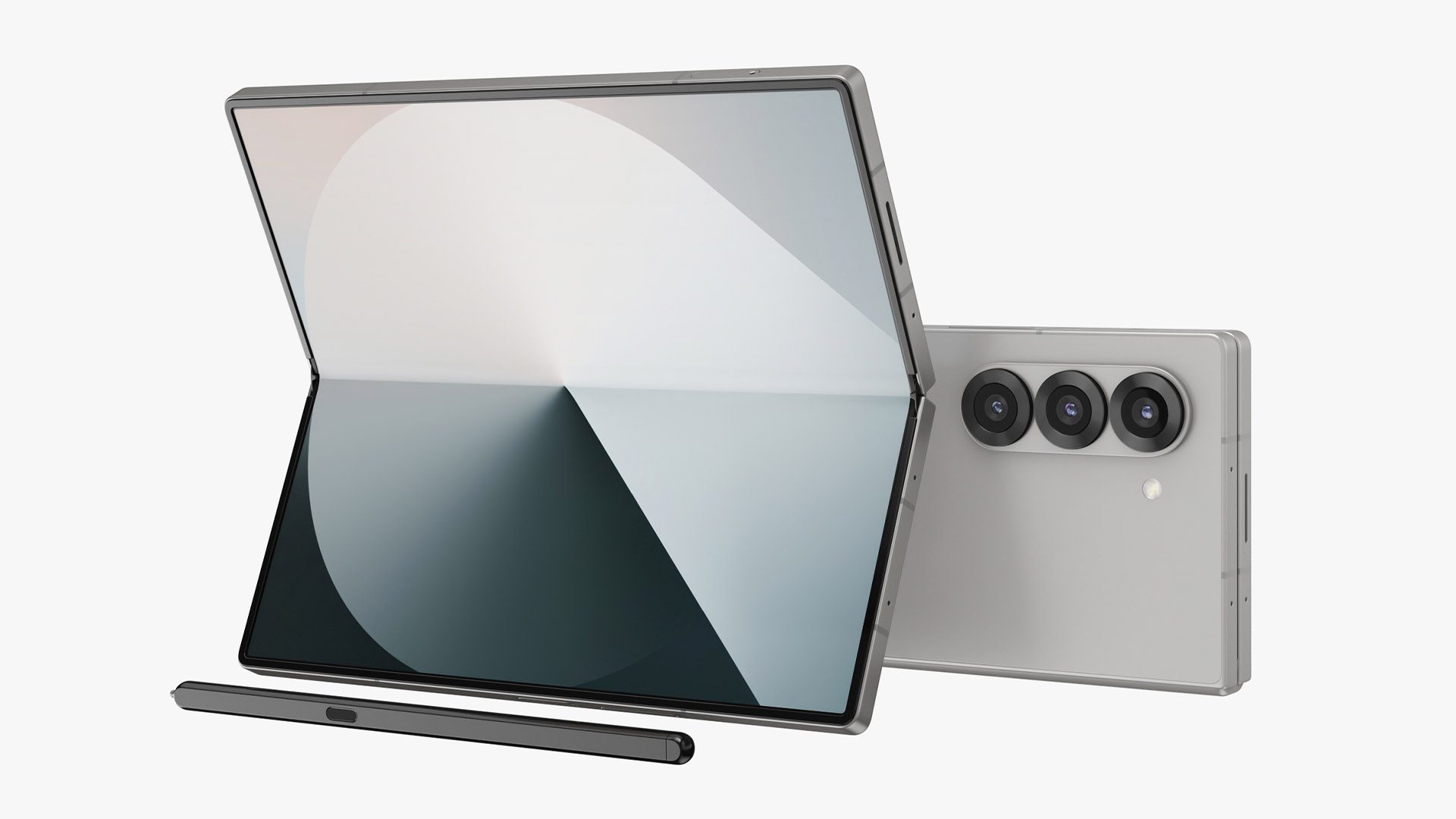
Foldable smartphones have certainly piqued interest in the tech world, emerging as premium alternatives to the traditional ‘candy bar’ phone designs. However, the major brands have hit some bumps in the road during the third quarter of 2024. Samsung, one of the key players, saw a significant slump, with a 21 percentage point drop in shipments compared to their previous dominance a year back. In contrast, competitors have been quick to capitalize on this shift, yet the overall market performance lagged behind Q3 2023 figures for a couple of reasons outlined in a recent report.
This new report highlights the unfolding challenges as foldable smartphones endeavor to move beyond niche territory and become mainstream. The steep price tags attached to these innovative devices are cited as the biggest hurdle in broadening their customer base.
Now, diving into the numbers: Counterpoint Research reveals that although Samsung has seen a decrease in its market share with Huawei nipping at its heels, it still managed to lead with 56 percent of global shipments in Q3 2024. Huawei climbed to second place, with its shipments increasing from 13 to 15 percent. Meanwhile, Xiaomi enjoyed a remarkable 185 percent surge in shipments from Q3 2023.
Despite individual successes, the global foldable smartphone market experienced a minor setback, with shipments decreasing by 1 percent compared to last year, marking the first decline ever for the third quarter. This drop can be attributed in part to the lukewarm reception of Samsung’s Galaxy Z Fold 6 and Galaxy Z Flip 6, which offered minimal advancements over their predecessors.
Arguably, the most significant roadblock is the hefty price tag, which deters many potential buyers. Counterpoint Research’s Senior Analyst, Jene Park, notes that the market is in a phase of transition, trying to expand from its niche status to a wider audience. While current users are reportedly very satisfied with these book-type foldables, the high cost continues to be a significant barrier to widespread adoption. Reducing prices, improving technological reliability, and enhancing consumer perception could potentially propel these devices into the mainstream.
In light of foldable smartphones still lagging behind their traditional counterparts in popularity, it’s uncertain whether manufacturers like Samsung and Huawei will find ways to cut component costs and offer new models at competitive prices. While it’s likely that this segment will remain somewhat niche for now, there’s always hope for surprises in the near future.